What should you look for when buying?
First, work out whether the competing voices are in your study space or already part of the theatre recording.
Conversations in your study space
A good fit if: voices outside your headphones are distracting you from the dialogue you’re playing, and a well-fitting eartip feels comfortable.
The trade-off: Passive isolation depends on the eartip and how it fits. A manufacturer’s stated figure doesn’t guarantee clear dialogue in every recording.
Voices in the recording
A good fit if: other voices are already in the audio and you want to compare the sound profile and dialogue details in your own scene.
The trade-off: A neutral or balanced sound profile won’t separate voices in the recording. Subtitles or a transcript may also help.
| Priority |
What should you look for? |
Who is this particularly important for? |
| Conversations in your study space |
Check the eartip sizes and fit; don’t mistake an isolation rating for a guarantee of clear dialogue. |
If conversations in the room are drowning out the theatre dialogue, I want to check the fit first rather than turn up the volume. Around 31% of consumers prioritise blocking out external conversations. |
| Dialogue sound |
Listen to a familiar scene at a moderate volume and compare quiet words and changes of speaker. |
If other voices are already in the recording, I want to assess the dialogue repeatedly without assuming the voices can be separated. Around 31% of consumers prioritise clear, easy-to-follow dialogue. |
| Fit for long sessions |
Check the eartip materials and sizes, as well as pressure and fit; plan breaks and keep the volume low. |
For longer study sessions, I need comfortable eartips and don’t want to turn up the volume to compensate. Around 23% of consumers focus above all on comfortable listening over extended periods. |
| Connections and ongoing costs |
Check the audio output, whether you may need an adapter, and exactly which cables and eartips are included. |
If I’m choosing between device connections and wireless listening, I want to know about adapter and charging requirements in advance. Around 15% of consumers put connection options and potential ongoing costs first. |
Joybuy products for these listening situations
This selection includes wired in-ear headphones for compatible device connections, plus wireless ANC models as a possible alternative when noise in your study space is distracting. ANC won’t separate voices that are already in the recording.
 No image available
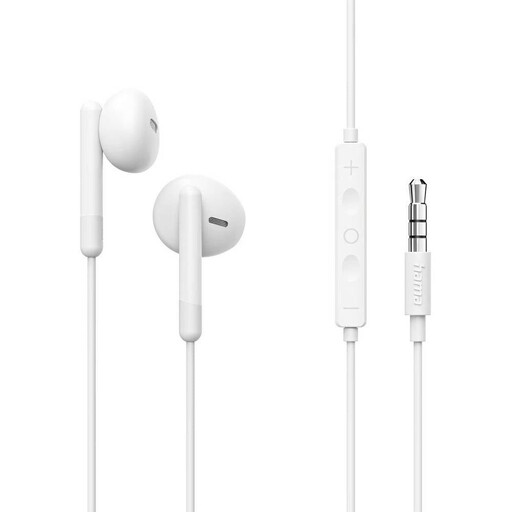
Noble in-ear headphones, cable kink protection, 3.5 mm connection
For wired listening through a compatible 3.5 mm audio output.
With inline remote and microphone; a compatible audio output on your playback device is required.
View at Joybuy
 No image available
Bose Noise Cancelling Wired Earbuds, USB-C
For wired listening via USB-C, if you want to try an ANC mode to reduce noise in your study space.
Includes silicone eartips in three sizes and stability bands in two sizes. Requires a compatible USB-C device; ANC won’t separate voices within a recording.
View at Joybuy
 No image available
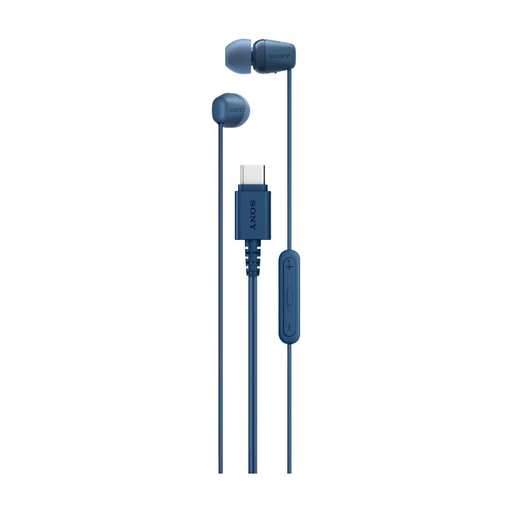
Sony IER-EX15C USB-C, blue
For wired listening with a compatible USB-C device.
Features an inline remote and a choice of eartip sizes to help you find the right fit. Requires a compatible USB-C device.
View at Joybuy
 No image available
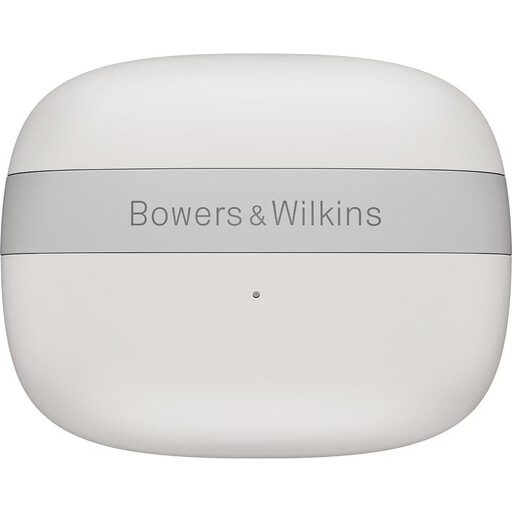
Bowers & Wilkins Pi6 True Wireless in-ear headphones
A wireless ANC alternative for learners who want to take noise in the room and freedom of movement into account.
Features Bluetooth 5.4, multipoint connectivity and four eartip sizes. The stated playback time is up to 8 hours per charge; regular charging is still required. ANC won’t separate voices from the recording.
View at Joybuy
 No image available
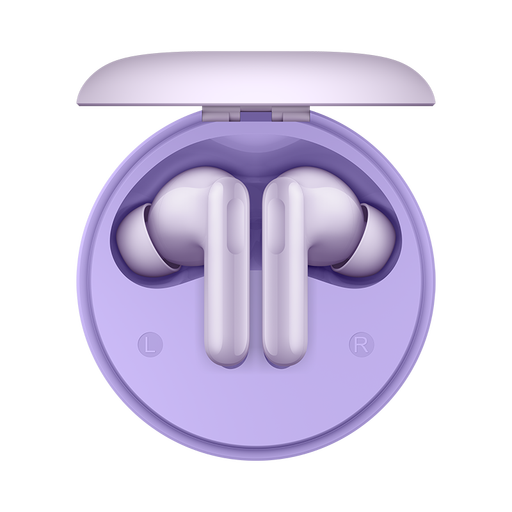
HONOR Earbuds A Pro
A wireless ANC alternative for learners who want to take noise in their study space into account.
The product specification lists a 12.4 mm driver and ANC rated at 49 dB. These in-ear headphones are wireless and battery-powered, so they need regular charging. ANC won’t separate voices within a recording.
View at Joybuy
Frequently asked questions
Can an in-ear monitor help if the background conversations are already in the theatre recording?
No. In-ear headphones only block noise from outside the headphones; they can’t separate voices that are mixed together in the recording. A neutral sound profile isn’t proven to separate voices. Compare the passage with your own material and use any available subtitles or transcripts as an extra aid.
How should I fit and care for eartips during longer study sessions?
Try the supplied sizes and materials to find a snug, comfortable fit rather than turning up the volume to compensate. Clean the eartips according to the relevant manufacturer’s instructions, store the headphones somewhere dry and take listening breaks.
Do I need an adapter for wired in-ear headphones?
It depends on the connection on your playback device. The versions of the IE 200 and SE215 mentioned here have a 3.5 mm plug. If your device doesn’t have a compatible audio output, check for a suitable adapter before buying.
What are my legal rights when shopping online in Germany?
When you buy from a business seller, the seller is generally liable by law for defects for at least two years; an additional manufacturer’s warranty doesn’t replace this. Distance sales contracts generally come with a 14-day right to cancel, usually starting when goods are received. One legal exception applies to sealed goods that aren’t suitable for return for health or hygiene reasons, if the seal has been removed after delivery. Whether this exception applies to a particular earbud package can’t be determined from the type of product alone.
Is a particular volume safe for hours of studying?
You can’t tell from the volume control setting alone. The World Health Organization gives 80 dB for up to 40 hours a week as an illustrative guideline and recommends lower levels and breaks. Volume, duration and frequency all matter. This is guidance on safe listening, not a legal volume limit for purchases.


