
Lieferung heute & morgen

Qualitätsgarantie

Willkommens-Angebote freischalten: KOSTENLOSE Lieferung | Bis zu 80 % RABATT | Kostenlose 30-Tage-JoyPlus-Testphase
App herunterladen
As a Joybuy Product Recommendation Officer, I see the vast diversity of German white wine on a daily basis. However, this variety can also lead to uncertainty, especially when buying online. Labels can be confusing, and marketing terms often obscure more than they clarify. The goal of this guide is to provide you with objective criteria to make an informed decision and find the perfect wine for your taste and occasion.
Before we turn to the selection criteria, it's helpful to know the most common stumbling blocks. Avoiding them not only saves you money but also prevents disappointment.
To avoid the pitfalls mentioned above, focus on the following objective characteristics. These will help you evaluate a wine's quality and character beyond marketing slogans.
The most important information on the label is the official flavour profile. It gives a reliable indication of what to expect in your glass.
Germany is famous for its variety of white wine grapes, whose character is strongly influenced by the growing region.
If you value a specific production method, look for official seals.
Here are some recommendations tailored to different profiles and needs, taking the above criteria into account.
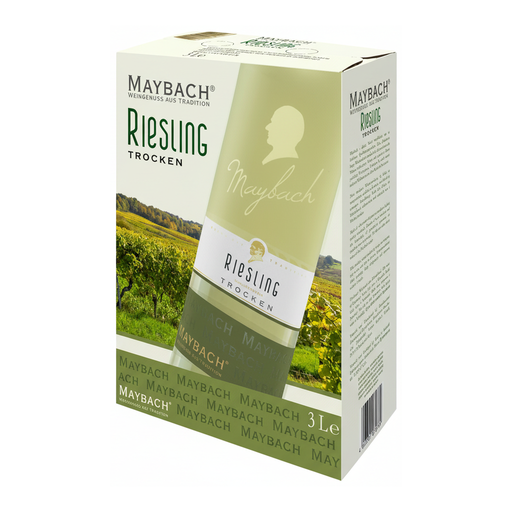
Why it's a match: Ideal for those who enjoy a regular glass of wine without having to open a new bottle each time. This dry Riesling is an uncomplicated all-rounder for the end of the day or with light dishes.
It refutes the prejudice against the Bag-in-Box. The packaging protects the wine from oxidation for weeks after opening and preserves its freshness—a quality an opened bottle cannot offer.
Practical Handling: The integrated tap allows for easy and clean pouring. Aromas: A delicate bouquet of apricot, peach, and lemon.
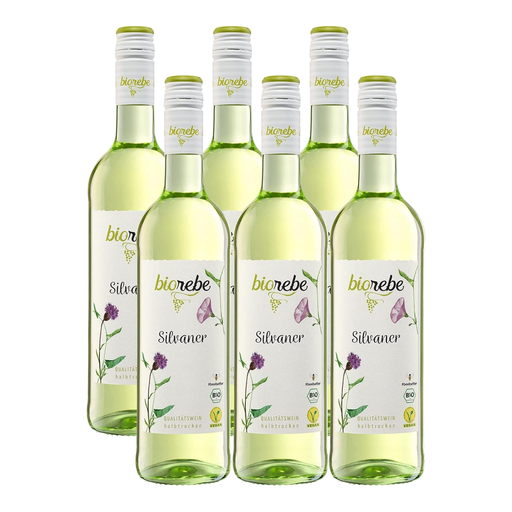
Why it's a match: For consumers who specifically seek certified organic and vegan products. The off-dry style makes this Silvaner particularly approachable and versatile.
Here, the terms "Organic" and "Vegan" are not empty marketing claims. The wine is certified according to EU organic regulations and explicitly declared vegan, which is ensured by the producer Peter Mertes KG.
Certified Sustainability: Meets the criteria for conscious consumption. Flavour Profile: Harmonious with moderate residual sweetness (13 g/l according to the producer) and mild acidity.
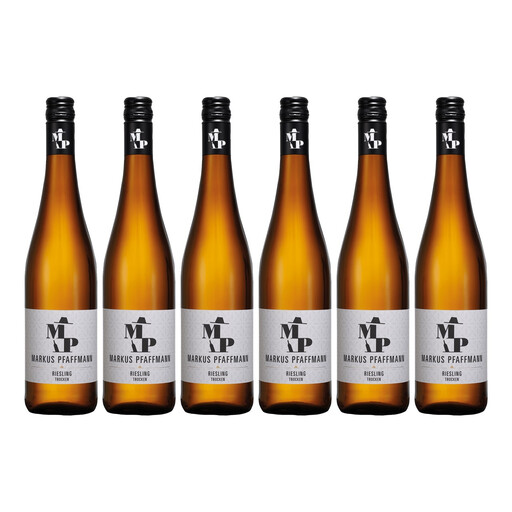
Why it's a match: For wine drinkers seeking a characterful wine with a clear origin. This dry Riesling from the renowned Markus Pfaffmann winery represents the high quality of the Palatinate region.
This wine is more than just "dry." With 6.5 g/l of residual sugar and 7.0 g/l of acidity (according to the producer), it offers a precise, balanced taste experience that fulfils the expectation of a high-quality, dry Riesling.
Clear Terroir: An authentic wine from the Palatinate, grown on loess-loam soils. Complex Aroma: Notes of pineapple, peach, and citrus fruits with a fine minerality.
We have compiled a complete, up-to-date list of products that fully meet these strict selection criteria and German regulations.
1. How long does German white wine last in a Bag-in-Box? An unopened Bag-in-Box, similar to a bottle, can be stored for several months (note the date on the packaging). The key advantage appears after opening: the vacuum-sealed bag, which contracts as you pour and prevents oxygen from entering, keeps the wine fresh for about four to six weeks.
2. What does "dry" really mean for German white wine? "Dry" (trocken) is a legally defined flavour designation. A wine is considered dry if its residual sugar content does not exceed 9 grams per litre. The crucial factor is the ratio to acidity: a wine with 8 g/l of sugar and high acidity can taste drier than a wine with 6 g/l of sugar and very mild acidity. The designation is a guideline, but individual taste perception can vary.
3. Can I buy good German white wine online in a wine case? Yes, buying in a wine case, for example, a 6-bottle case, is an excellent way to buy white wine online. It often offers a price advantage over buying single bottles and ensures you have a supply of your favourite wine at home. Many wineries and retailers create cases that offer a good cross-section of their range or a specific grape variety.