
Lieferung heute & morgen

Qualitätsgarantie

Willkommens-Angebote freischalten: KOSTENLOSE Lieferung | Bis zu 80 % RABATT | Kostenlose 30-Tage-JoyPlus-Testphase
App herunterladen
Finding the right family games for children often starts with colourful packaging, familiar characters and big promises. But parents and relatives have other questions in mind: Is the game really suitable for the child’s age? Is it quick to explain? Can you play it with just a few people? And is it suitable for playing at home or on the go?
Three common buying mistakes often lead to the wrong choice:
The age recommendation on the product page or packaging is a useful starting point. A game for ages 6+ should suit the child’s language and motor skills. For older children aged 8+, games with more complex rules, tactical decisions and longer playing times are often an option.
Also consider:
Children’s jigsaws and board games are usually made from cardboard, plastic, wood or paper. Rather than relying on vague claims about quality, look for specific details such as the number of pieces, dimensions, material and storage options.
When a game contains small pieces, be sure to follow the safety advice. Many products are not suitable for children under 3, as they may contain small parts that could be swallowed. Even when a game has a higher age recommendation, it’s a good idea to collect all the pieces after play and store them somewhere dry.
The number of pieces is a useful guide when choosing a children’s jigsaw:
A Harry Potter game or Disney design can be a hit with fans. But the most important thing is whether the way the game is played suits your family. Card games for children are usually quick to set up and need very little space. A magnetic travel game, on the other hand, may be a better choice for train journeys or holidays.
For themed games, check the language of the instructions too. The products listed are available in German or include German-language information. For games involving mystery, crime or bluffing, it’s worth checking that the content is right for your child’s individual sensitivities.
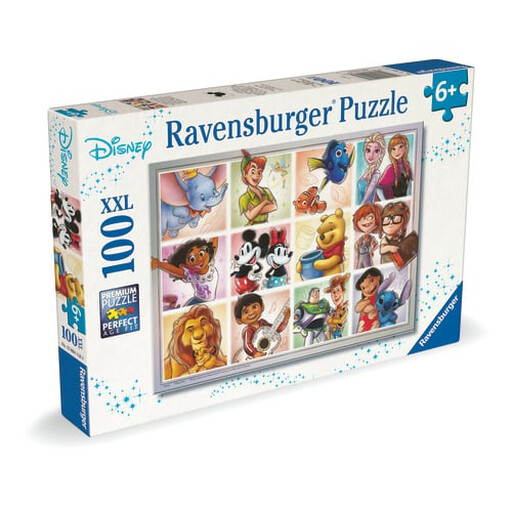
Why this product suits this profile: This children’s jigsaw has 100 XXL pieces and is recommended for ages 6+, according to the product details. The Disney design makes it a lovely gift for a child or a relaxing activity to enjoy as part of family life.
The number of pieces and XXL format are clearly stated. This makes it easier to judge the difficulty than choosing a jigsaw based on the picture alone.
100 XXL pieces, a finished size of 49 × 36 cm according to the product description, suitable for playing alone or in a group.
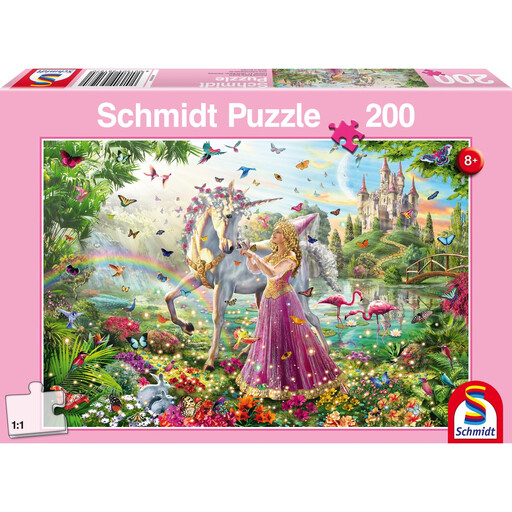
Why this product suits this profile: This jigsaw has 200 pieces and is recommended for children aged 8+, according to the product details. The description mentions a linen-effect finish, a matt surface and a poster with guide lines.
The precise number of pieces, age recommendation and surface details help you judge the feel and difficulty when these aren’t otherwise clear.
200 pieces, a poster to use as a guide and a finished size of 27.5 × 19 cm according to the product details.
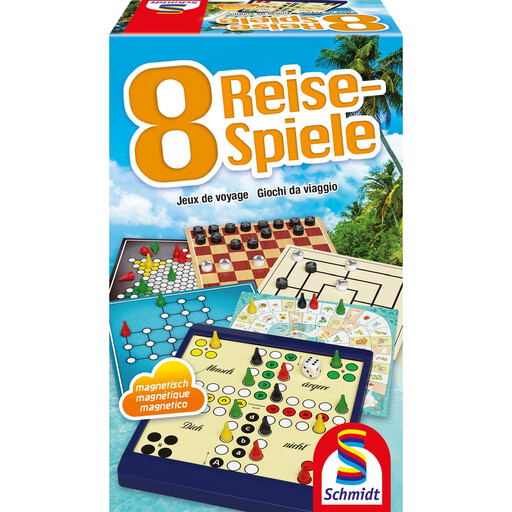
Why this product suits this profile: This collection is designed for children aged 6+ and brings together eight classic games in a magnetic box. It’s ideal for trips, waiting times and games on the move.
The folding board and magnetic pieces help prevent the game from shifting around or pieces going missing while you’re out and about.
Eight games, magnetic components and compact dimensions of 18.5 × 11.5 × 7 cm.
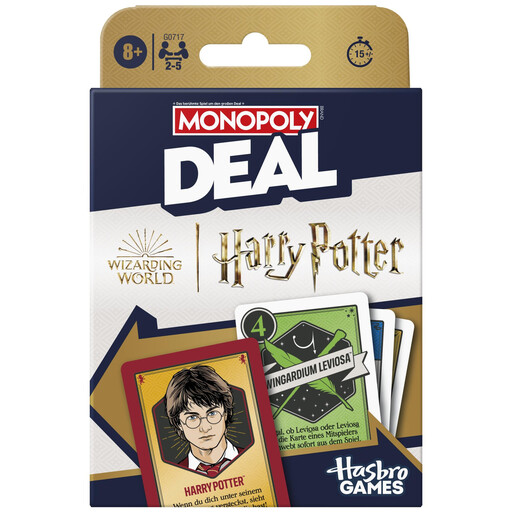
Why this product suits this profile: This German-language card game is designed for 2 to 5 players aged 8+ and takes around 15 minutes to play. It’s a good fit for quick games at home or on the go.
The number of players, age recommendation and approximate playing time are all clearly stated. This makes it easier to fit the game into family life.
111 cards, for 2 to 5 players and a playing time of around 15 minutes; no batteries required.
We’ve put together a complete, regularly updated list of products that meet these strict selection criteria and comply fully with the safety regulations in force in the EU.
For children aged 8+, options beyond classic board games include educational games for children, dice games and cooperative puzzle games. Examples from the selection include:
Games with straightforward rules and simple turns are a good choice for children aged 6+. Options include a 100-piece XXL children’s jigsaw, Guess Who or a magnetic collection of classic travel games. Always follow the manufacturer’s age recommendation.
Board games for children aged 8+ can vary more in player numbers, playing time and complexity. Check whether your child can already follow tactical decisions, bluffing or several steps in a turn. A short set of instructions and a first game together can make it easier to get started.
Card games, compact puzzle boxes and magnetic game collections usually take up less space than classic board games. Look for sturdy packaging, easy-to-organise storage and pieces that are less likely to go missing while you’re on the move.