
Lieferung heute & morgen

Qualitätsgarantie

Willkommens-Angebote freischalten: KOSTENLOSE Lieferung | Bis zu 80 % RABATT | Kostenlose 30-Tage-JoyPlus-Testphase
App herunterladen
Finding the right gifts for children aged 3 and up can be a challenge. The market is filled with products promising durability and educational value. Yet, not every gift lives up to the claims on its packaging. Many products turn out to be short-lived or have unexpected flaws that not only waste money but also dampen a child's joy. This guide will help you recognise common purchasing pitfalls and make an informed decision.
Before you make a purchase, it's helpful to know the most common issues that arise with gifts for preschool-aged children.
To avoid these pitfalls, you should carefully examine two core aspects. These objective parameters are a reliable indicator of quality and safety.
The choice of material is crucial for a product's durability and safety.
A product must be adapted to the motor skills and size of a child.
Based on the criteria above, we have identified several products that are well-suited for different profiles and needs.
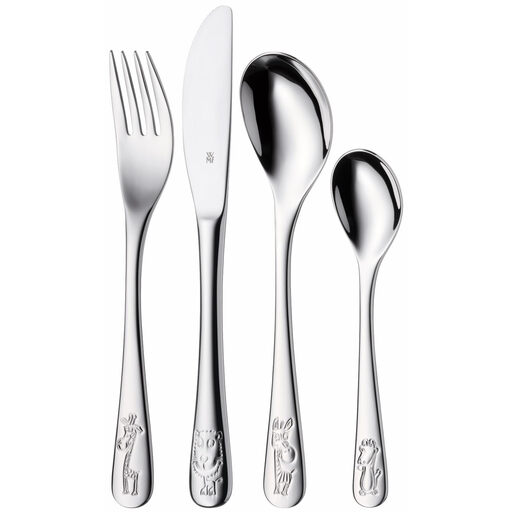
Why it's a good fit: Ideal as a first "real" cutlery set to encourage independent eating. The size and shape are specially designed for children's hands. It's a classic and durable gift, also perfect for a christening.
The set is made of Cromargan 18/10 stainless steel, which bypasses the pitfall of a short lifespan. The safety features (blunt fork tines, lightly serrated knife) directly address concerns about hidden risks.
High material quality and proven brand safety ensure a long lifespan, often lasting for several years and through multiple siblings.
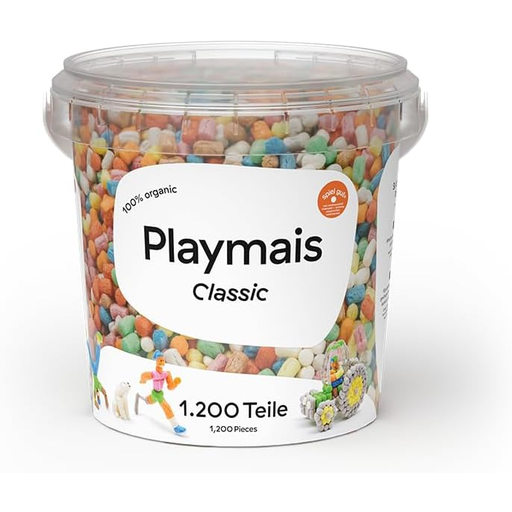
Why it's a good fit: Encourages free creativity and fine motor skills without rigid instructions. Children can cut, shape, and stick the pieces together using only water. A gift that provides hours of screen-free engagement.
This set debunks the empty "educational value" promise by offering genuine, open-ended play. The material, made from corn grits and food colouring, is transparently declared, biodegradable, and safe.
The use of natural, safe materials and the promotion of limitless creativity make it a meaningful and sustainable choice.
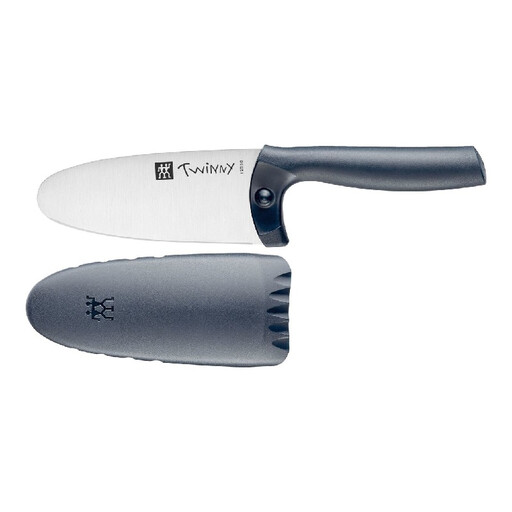
Why it's a good fit: For children who want to help in the kitchen. This is not a toy but a real tool, specifically designed for safe use by children under supervision.
It proactively addresses the safety pitfall. The rounded blade tip and the included hand and finger guard are specific design features that minimise the risk of injury when used correctly.
It specifically promotes motor skills and a sense of responsibility by allowing children to learn a practical, everyday skill in a safe environment.
We have compiled a complete, up-to-date list of products that fully meet these strict selection criteria and safety regulations.
When is a children's cutlery set a good idea? A dedicated cutlery set is generally a good idea from around the age of three. The key factor is whether the child shows an interest in eating independently and has the necessary basic motor skills. Look for sets with ergonomically shaped handles and specific safety features, such as rounded fork tines, designed for this age group.
How can I identify a truly educational toy? A good educational toy leaves room for a child's own imagination and doesn't have a fixed, predetermined outcome. It promotes skills like problem-solving, creativity, or fine motor control. Additionally, it should be durable and made from safe materials to ensure long-lasting and secure use.
Isn't a children's knife too dangerous for a 3-year-old? Special children's knives are designed with safety in mind. Features like a rounded blade tip and a finger guard reduce the risk. Nevertheless, it is a functional tool that must be used exclusively under the direct supervision of an adult. It serves to teach the responsible handling of tools, which is an important developmental skill for a child.