
Lieferung heute & morgen

Qualitätsgarantie

Willkommens-Angebote freischalten: KOSTENLOSE Lieferung | Bis zu 80 % RABATT | Kostenlose 30-Tage-JoyPlus-Testphase
App herunterladen
Anyone who appreciates Korean cuisine knows the secret to simple yet flavour-packed dishes. One ingredient that often plays a key role is Gimjaban. These seasoned seaweed flakes can transform a simple bowl of rice into a culinary experience. However, the variety of products can be overwhelming. This article serves as a guide to introduce you to the characteristics of different Gimjaban varieties and help you decide which Korean seaweed flakes best suit your needs.
Choosing the right Gimjaban depends on personal preference and its intended use. Here are three objective criteria to make your decision easier.
Gimjaban is available in various flavours. The traditional version is typically seasoned with sesame oil, roasted sesame, and sea salt. The result is a nutty, savoury umami flavour that is incredibly versatile. In addition, there are numerous seasoned seaweed flakes with flavours like BBQ, spicy (chilli), or seafood. If you are looking for an authentic Korean rice topping, the classic version is a safe bet. For variety or specific dishes, flavoured versions can be an interesting addition.
A look at the ingredient list provides insight into the quality and flavour profile. The base is always seaweed (Gim). Other typical ingredients include canola oil, sesame oil, sugar, and salt. Some products contain additional components like nuts, shrimp, or various spice blends, which can be relevant for people with allergies. The texture also varies: some flakes are very fine and almost powder-like, while others are larger and crispier. Finer flakes are great for mixing in, whereas larger pieces can also be enjoyed as a standalone snack.
Consider how you primarily want to use the seaweed flakes. Are you looking for seaweed for rice to enhance simple meals? Then a classic Gimjaban is ideal. Are you planning to make Korean rice balls? In that case, special Jumeokbap ingredients or versatile flakes are the right choice. Some products are explicitly designed as snacks and come in resealable bags to maintain their crispness.
Based on the criteria mentioned, we have compiled a selection of products that cover different flavour profiles and applications.
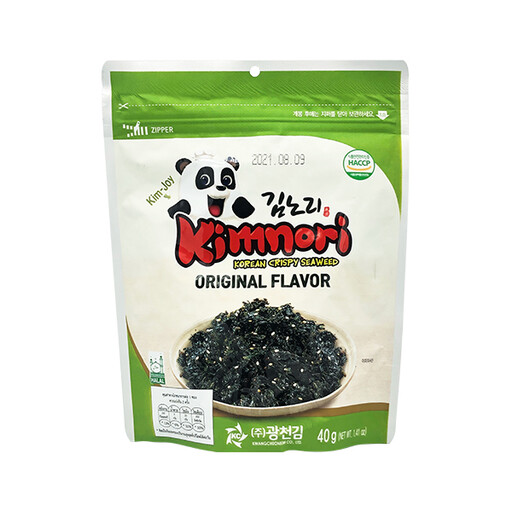
Why it stands out: This product from Kimnori seaweed embodies the traditional Korean recipe. It is often called Bapdoduk (literally "rice thief") in Korea because its flavour tempts you to eat more rice. The production is based on historical methods dating back to the Joseon Dynasty. The flakes are roasted and seasoned with sesame oil, roasted sesame seeds, and sea salt.
Pros:
Who it's for: Purists and lovers of authentic Korean cuisine who are looking for a versatile seasoning for everyday use. Ideal as an introductory product to the world of seaweed flakes.
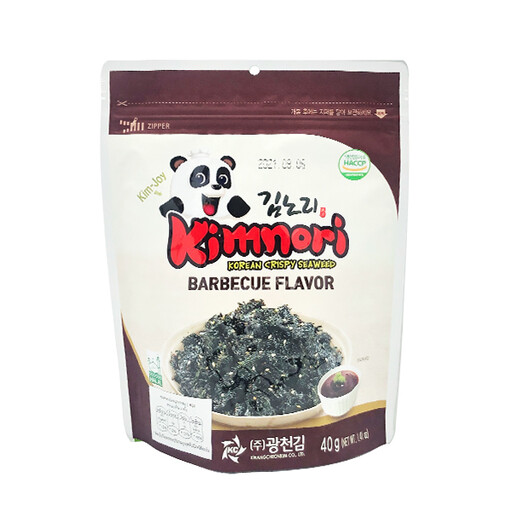
Why it stands out: This version offers a modern twist on the classic. The roasted seaweed flakes are seasoned with a barbecue spice blend and solar salt, giving them a distinct smoky and savoury aroma. It combines the traditional umami taste of seaweed with the popular flavour of Korean BBQ.
Pros:
Who it's for: Adventurous cooks and fans of bold, smoky flavours who want to add a special touch to their dishes. A great choice for anyone who appreciates the taste of Korean barbecue.
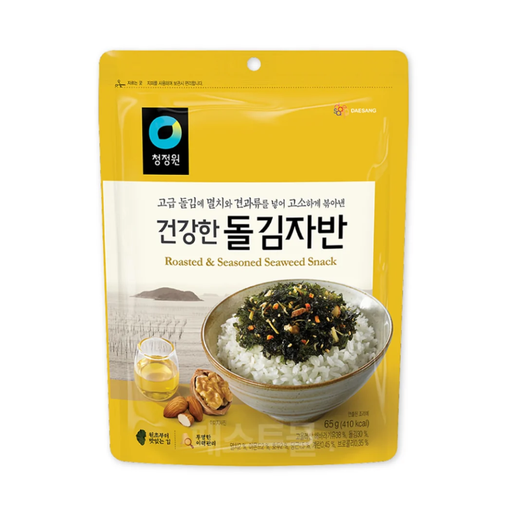
Why it stands out: This product from Chung Jung One is designed as a versatile snack and rice additive. The ingredient list is more complex, containing shrimp, walnuts, and almonds in addition to seaweed and oils, which provides a special depth of flavour and an interesting texture. The ziplock packaging is practical for maintaining freshness.
Pros:
Who it's for: Foodies looking for a product with a multi-layered flavour profile, and individuals who want a convenient snack for on-the-go or a quick meal enhancement. Due to the included allergens (crustaceans, nuts), a close look at the ingredient list is advisable.
Gimjaban is just one of many ways to enjoy Korean seaweed. If you are looking for whole seaweed sheets for making gimbap (Korean-style seaweed rice rolls) or as a crispy side dish, other products might be more suitable.
? Explore our selection of nori sheets for more Korean specialities.
1. What exactly is Gimjaban? Gimjaban (???) are Korean seaweed flakes. It is a traditional Korean side dish (banchan) made from shredded and roasted seaweed (Gim). The flakes are typically seasoned with oil, salt, sugar, and sesame and then pan-fried, which gives them a crispy texture and a savoury flavour.
2. How do you use Gimjaban? Gimjaban is extremely versatile. Its most common use is as a Korean rice topping on a bowl of freshly cooked rice. It is also an essential ingredient for Jumeokbap (rice balls). Additionally, you can sprinkle it over noodle dishes, soups, salads, or even scrambled eggs to add texture and an umami flavour.
3. What does the term 'Bapdoduk' mean?Bapdoduk (???) is a Korean colloquial term that literally means "rice thief." It is used for particularly tasty side dishes that are so delicious they unconsciously cause you to eat more rice than you intended. Gimjaban is often affectionately called Bapdoduk due to its addictive, salty-sweet flavour.