What to look for when buying
First decide how much you plan to eat and which ingredients are suitable for you. Then compare the nutritional information for different varieties using the same reference amount.
| Criteria |
What to check when buying |
Who it matters to |
| Carbohydrates and portion size |
Compare carbohydrates per 100 g and, if listed, the weight of each piece. The figure per 100 g isn’t automatically the amount you’ll eat. |
Before training, I want to choose a small portion and estimate how many carbohydrates it contains. This portion-size question is a priority for around 27% of consumers. |
| Personal tolerance |
Check the ingredients, as well as the fat and fibre content. Trying a new variety for the first time just before an important training session leaves little opportunity to assess how well you tolerate it. |
If certain ingredients upset me before exercise, choosing a variety I already know is what matters most. This is the main concern for around 33% of consumers. |
| Sugar and other nutritional values |
Compare sugar, carbohydrates, fat and energy per 100 g, then take your planned portion into account. ‘Less sugar’ doesn’t tell you about the whole nutritional profile. |
I don’t want to judge varieties by a single claim on the pack. I want to compare sugar and other nutritional values. This comparison is the priority for around 20% of consumers. |
| Diet and allergens |
Check the ingredients list, highlighted allergens and ‘may contain’ warnings on the current pack. A vegan label doesn’t mean a product is gluten-free or allergen-free. |
The exact variety needs to meet my dietary requirements or suit how I manage allergens. This is the top priority for around 20% of consumers. |
Gingerbread at Joybuy
This selection features chocolate-coated and filled Weiss gingerbread for you to compare as a sweet pre-workout snack. The portion you want, the nutritional information and the ingredients for each variety are what matter most.
 No image available
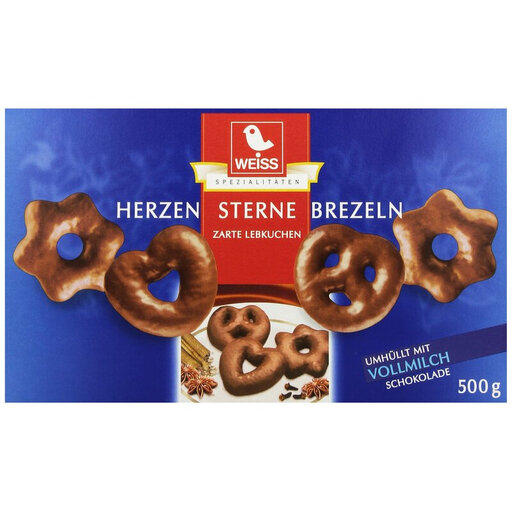
Weiss gingerbread hearts, stars and braids with milk chocolate, 500 g tin
An option to compare if you’re considering chocolate-coated gingerbread as a sweet snack.
The tin contains 500 g. For your planned portion, the weight of the pieces you eat and the current pack labelling are what count.
View at Joybuy
 No image available
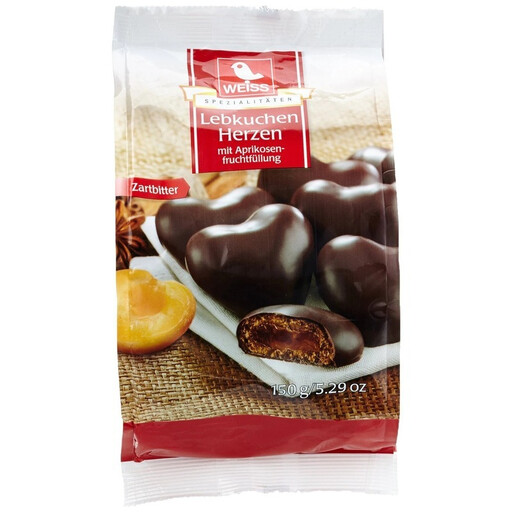
Weiss filled gingerbread hearts with dark chocolate, 150 g pack
A variety to consider if you’d like to compare filled gingerbread hearts with an unfilled chocolate assortment before training.
The pack contains 150 g. Check the weight of each piece, along with the ingredients and allergen information on the current pack, when planning your portion.
View at Joybuy
 No image available
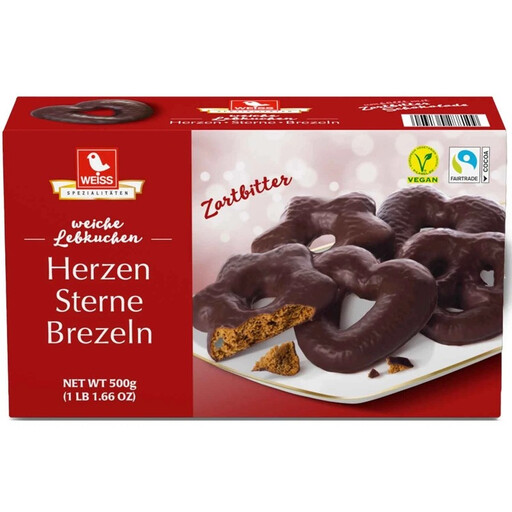
Weiss gingerbread hearts, stars and braids with dark chocolate, 500 g tin
Another chocolate-coated assortment to compare if the type of chocolate matters when choosing a variety.
The tin contains 500 g. Compare nutritional values using the same reference amount, and check the ingredients on the exact pack before eating.
View at Joybuy
Frequently asked questions
Is gingerbread generally suitable as a pre-workout snack?
It won’t suit every situation equally. The portion, your overall diet and your personal tolerance all matter. The German Nutrition Society describes carbohydrates as important for fuelling exercise, but that doesn’t amount to a general recommendation for gingerbread or a particular portion size.
Is gingerbread with less sugar automatically the better choice?
No. The sugar content alone doesn’t decide that. According to the manufacturer, Lebkuchen-Schmidt’s ‘Elise Weniger Zucker’ also contains 21.2 g of fat and 19.8 g of fibre per 100 g. Compare the whole nutritional profile and the portion you plan to eat.
Can gingerbread ease digestive problems?
No. Gingerbread isn’t a treatment for digestive problems. If your symptoms are new, severe or persistent, seeking medical advice matters more than choosing a different type of biscuit.
Is the online product description enough if you have allergies?
Check the current labelling on the exact pack before eating the product. The gingerbread products reviewed here differ in their ingredients and ‘may contain’ warnings, so information about one variety shouldn’t be applied to another.
Is Elisen gingerbread made without flour in the dough gluten-free?
Not automatically. Lebkuchen-Schmidt says it doesn’t offer gluten-free gingerbread, and points out, among other things, that wafers contain wheat starch, which contains gluten. If you need to avoid gluten, look for clear labelling on the exact product.


