
Lieferung heute & morgen

Qualitätsgarantie

Willkommens-Angebote freischalten: KOSTENLOSE Lieferung | Bis zu 80 % RABATT | Kostenlose 30-Tage-JoyPlus-Testphase
App herunterladen
By a Joybuy Product Recommendation Officer
A well-organised kitchen not only streamlines daily life but also helps to reduce food waste. The right food storage containers are a cornerstone of this system. Whether for dinner leftovers, weekly meal prep, or neatly storing dry goods, the perfect kitchen storage container keeps food fresh for longer and ensures an organised fridge and pantry.
However, the selection is vast: different materials, sizes, and sealing systems can make the decision challenging. This guide will help you understand the criteria that matter for your needs and introduce you to a selection of practical models.
To find the right food storage containers for you, several fundamental features should be considered. These characteristics determine their functionality, durability, and everyday usability.
The material directly impacts the container's weight, durability, and range of applications.
The lid is a crucial quality feature. An airtight lid protects food from oxidation and moisture, which is proven to keep it fresh for longer and preserve its flavours. A leak-proof seal is essential if you want to transport soups, sauces, or other liquids, for example, for lunch at the office. Systems with snap-lock lids, like those used by Lock & Lock, or secure screw-top lids offer a high level of security.
For an efficient use of space in your fridge, freezer, or pantry, shape and stackability are important. Rectangular or square containers make better use of available space than round ones. Check whether the containers are designed to be stacked securely on top of each other. A food storage container set with various, yet coordinated, sizes can be a smart purchase, ensuring you have the right box for every application while creating a uniform, organised system.
Based on the criteria mentioned, we have compiled a selection of functional food storage containers that cover a range of different needs.
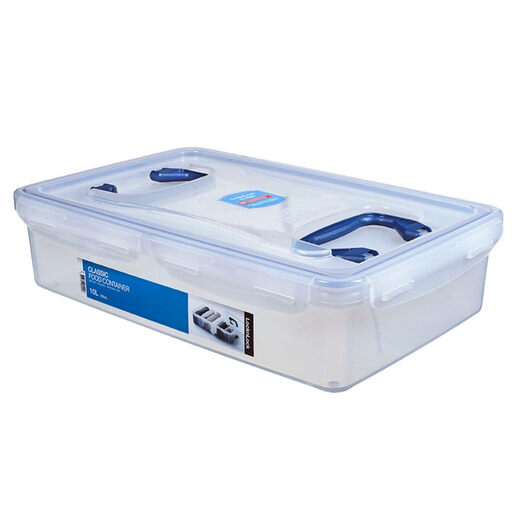
Why it stands out: This box combines an exceptionally large 10-litre capacity with thoughtful details. The integrated, foldable carrying handles make transport comfortable even when full, while the proven locking system ensures it's completely sealed.
Advantages:
Who is it for? For households that regularly store large amounts of food, for parties, for home bakers, or for anyone looking for a very large, reliably sealed storage solution.
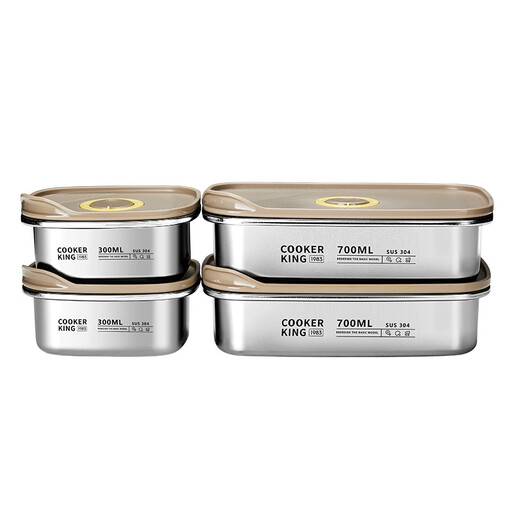
Why it stands out: This set leverages the durability and hygienic properties of stainless steel. The combination of two different sizes makes it a flexible companion for daily use.
Advantages:
Who is it for? For users who prefer a plastic-free alternative and value maximum durability and hygiene. Ideal for storing leftovers, salads, or as meal prep boxes (without heating in the microwave).
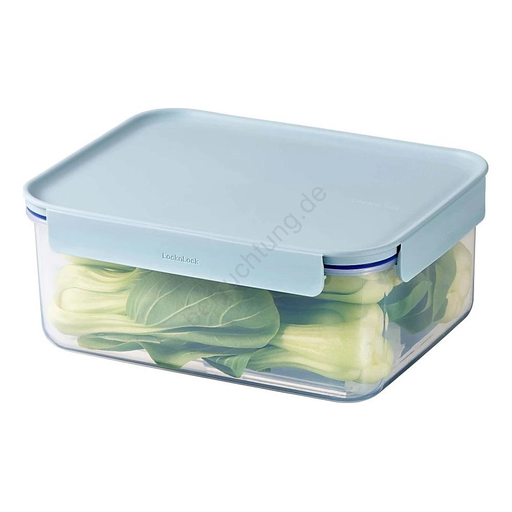
Why it stands out: This container is part of a modular system designed specifically for optimal pantry organisation. Its secure screw-top lid and rectangular shape make it a space-saving solution for dry foods.
Advantages:
Who is it for? For anyone looking to optimise their pantry storage and build a system for dry foods. The 2-litre size is ideal for standard packages of flour, rice, or cereal.
The products featured already cover many use cases. If you haven't found the right size or material for your specific needs, it's worth exploring a wider selection.
If you are looking for other sizes, materials, or specific sets, you can find a more extensive range of storage solutions in our Plastic Box with Lid category.
BPA stands for Bisphenol A, a chemical compound used in the manufacturing of certain plastics. Due to concerns about BPA leaching into food, many consumers prefer products made without this substance. A plastic food storage container labelled as BPA-free has been produced without the use of Bisphenol A.
There's no one-size-fits-all answer; it depends on the intended use. Plastic containers are lightweight, often transparent, and microwave-safe, which makes them very versatile. Stainless steel containers are extremely durable, do not stain, and are very hygienic, but they cannot be used in the microwave. For transporting hot foods or storing strongly staining items, stainless steel can be advantageous, whereas plastic is often more practical for everyday use.
To prevent odours from developing, containers should be cleaned with warm water and mild dish soap as soon as possible after use. Let the container and lid air-dry completely and separately before closing and storing them. For stubborn odours, such as from onions or garlic, it can help to rub the container with a paste of baking soda and water, let it sit for a few hours, and then rinse thoroughly.