
Lieferung heute & morgen

Qualitätsgarantie

Willkommens-Angebote freischalten: KOSTENLOSE Lieferung | Bis zu 80 % RABATT | Kostenlose 30-Tage-JoyPlus-Testphase
App herunterladen
A good food storage container is an indispensable tool in any kitchen. It keeps food fresh for longer, brings order to your fridge, and is the foundation for successful meal prepping. But the market is crowded and confusing, and not every kitchen storage box lives up to its promises. Many buyers are left frustrated by leaky lids, stubborn stains, or containers that can't be stacked efficiently in the cupboard.
As your Joybuy Product Recommendation Officer, I'm here to help you identify the common pitfalls and make an informed decision. Instead of falling for marketing hype, we'll focus on the objective features that define a truly practical and durable storage container.
Before we get to the solutions, let's look at the three most common problems that lead to a bad purchase:
To avoid these problems, you should check three key features before buying. These define the quality and everyday usability of a food storage container.
The material is the foundation of safety and durability. Most high-quality containers are made of polypropylene (PP), a robust and heat-resistant plastic. The BPA-free label is crucial here. BPA (Bisphenol A) is a chemical that can potentially leach into food, especially when heated. A BPA-free container ensures that no unwanted substances get into your meals, making it a safe choice for the whole family and especially for meal prep boxes.
This is where the best are separated from the rest. A container is only truly leak-proof if it has a high-quality locking system. Look for these features:
This combination not only makes a container airtight, which preserves food freshness, but also reliably prevents liquids from leaking.
A modern food storage container should be versatile. Check the manufacturer's specifications for its suitability across different temperature ranges:
Instead of an overwhelming list, we present a few models tailored to specific needs that meet the criteria mentioned above.
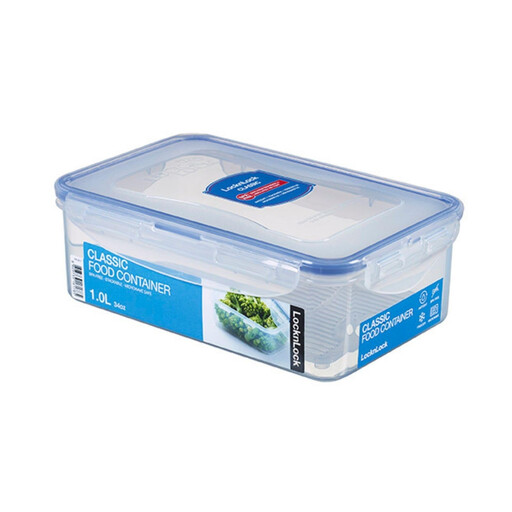
Why it's a great fit: Ideal for daily storage of leftovers, cut vegetables, or lunch. Its stackable design ensures maximum space efficiency in the fridge and pantry.
The patented four-sided locking system with a silicone seal is reliably leak-proof and airtight—unlike simple snap-on lids. The high-quality BPA-free polypropylene resists warping and odours.
Extremely durable locking system and versatile suitability for the freezer, microwave (without lid), and dishwasher.
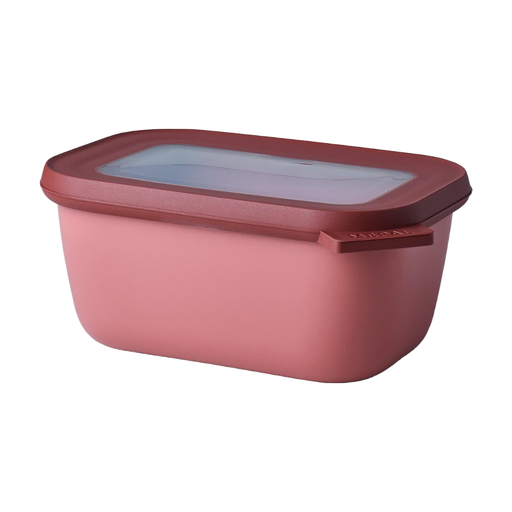
Why it's a great fit: Designed for a seamless transition from the freezer to the microwave and directly to the table. The stylish design from Mepal makes it ideal for lunch at the office, and its rectangular shape is perfect for carrying in a bag.
The material is specifically designed for microwave heating (up to 110°C), thus preventing material degradation. The design is both functional and aesthetically pleasing, while being completely leak-proof.
Combines storage, heating, and serving in one product; space-saving, stackable, and elegant design.
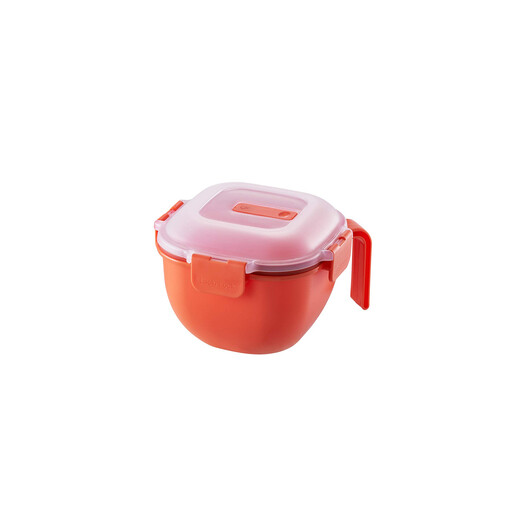
Why it's a great fit: Specifically developed for frequent reheating of food in the microwave. Ideal for anyone who wants to prepare a hot meal quickly without using extra dishes.
The integrated steam vent in the lid allows for safe heating with the lid on, which prevents splatters. The material is heat-resistant up to 140°C, making it more durable than many standard containers.
Safe and clean microwave reheating thanks to the steam vent; higher temperature resistance for a longer lifespan.
We have compiled a complete, up-to-date list of products that fully meet these strict selection criteria and safety standards.
1. How do you clean food containers properly to avoid odours and stains? Rinse the container with cold water immediately after use before putting it in the dishwasher or washing it by hand with warm water and dish soap. For stubborn stains, such as from curry or tomato sauce, it can help to scrub the container with a paste of baking soda and water and let it sit for a few hours.
2. Are all plastic containers labelled "BPA-free" safe for the microwave? Not necessarily. "BPA-free" refers to the chemical composition of the material. Suitability for the microwave depends on the heat resistance of the specific plastic. Always check the manufacturer's instructions and the symbols on the bottom of the product. If a container is declared microwave-safe, it is safe for that purpose, but often with the restriction "without the lid".
3. What does it mean if a container is "airtight" but not "leak-proof"?Airtight means the lid seals to prevent air from circulating. This protects food from drying out and losing its aroma. Leak-proof is a higher standard, meaning the seal also reliably keeps liquids inside, even when the container is tilted. This typically requires a combination of a high-quality gasket and a secure locking mechanism.