
Lieferung heute & morgen

Qualitätsgarantie

Willkommens-Angebote freischalten: KOSTENLOSE Lieferung | Bis zu 80 % RABATT | Kostenlose 30-Tage-JoyPlus-Testphase
App herunterladen
By the Joybuy Product Recommendation OfficerPublished July 28, 2026
Choosing the right drinking glasses often seems straightforward, but the reality is quite different. Many buyers soon find their new glasses turning cloudy, developing cracks, or simply being impractical for daily use. Instead of being swayed by marketing promises, it's wiser to focus on the fundamental qualities that define a good glass. This guide will help you navigate common pitfalls and make a choice that prioritises function and durability.
Before investing in a new glassware set, it's important to understand the typical problems that often only appear after the purchase.
To avoid a bad purchase, focus on three key criteria: material, construction, and intended use.
The type of glass significantly determines a drinking glass's properties. Understanding the differences is fundamental.
Besides the material, the construction is critical for usability and safety.
Instead of making a blanket recommendation, we've selected products for specific user profiles.
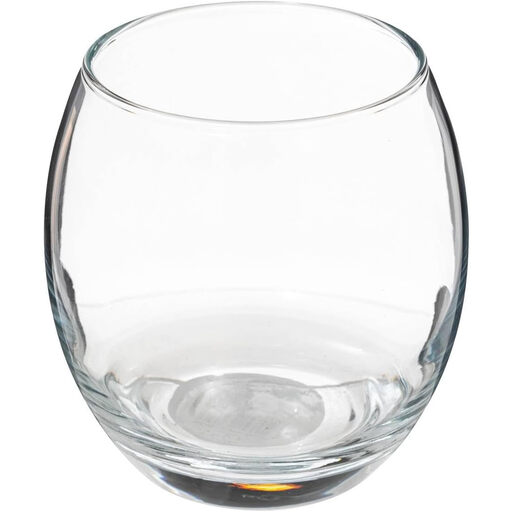
Why This Fits Their Persona: Ideal for a first apartment or for supplementing household basics. The classic tumbler design is universally suitable for water, juice, or spritzers, and the 40 cl size is practical for daily use.
The simple, sturdy design in standard glass is less prone to the design flaws of more delicate glassware. It's designed for professional use, and therefore built for durability.
Versatility: Classic shape for various cold drinks. Large Capacity: 400 ml is ideal for quenching daily thirst.
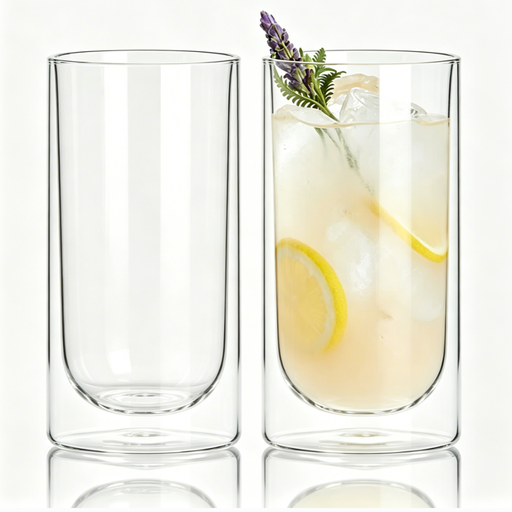
Why This Fits Their Persona: Perfect for anyone who wants to enjoy their coffee, tea, or hot cocoa while it's hot, without burning their fingers. The double-walled construction is the technically superior solution for this.
This glass avoids the material trap by being made from heat-resistant glass. The double-walled insulation also prevents condensation with cold drinks.
Thermal Insulation: Keeps drinks at their temperature for longer. No Condensation: The outer surface stays dry, protecting surfaces.
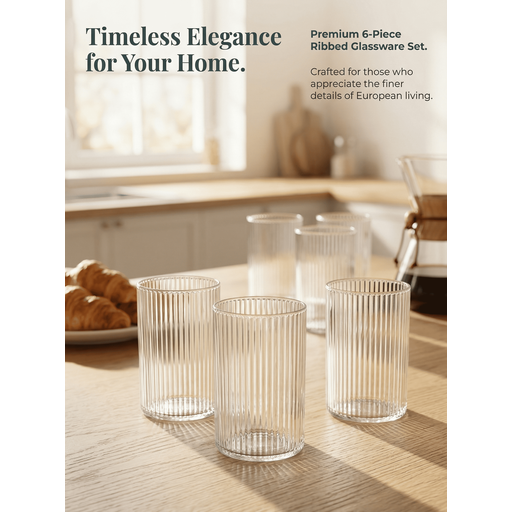
Why This Fits Their Persona: This glassware set is designed for a modern, flexible lifestyle. With a lid and straw, it's perfect for homemade iced tea, smoothies, or taking coffee to the home office.
It solves the problem of impractical design by offering clear added value for specific use cases with its lid and straw, preventing spills and keeping insects out of your drink.
Complete Set: 6 glasses including lids and straws. Large Volume: 400 ml capacity meets the need for large glasses.
We have compiled a complete, up-to-date list of products that fully meet these strict selection criteria and fully comply with rigorous safety standards.
1. What is "glass corrosion" and how can it be prevented? Glass corrosion is a chemical reaction that attacks the surface of glass, making it appear cloudy and milky. It is accelerated by high temperatures, aggressive detergents, and hard water in the dishwasher. To prevent it, we recommend washing glasses at lower temperatures (using a glass or delicate cycle), using a mild detergent, and not leaving the glasses in the steamy heat after the cycle finishes. Hand washing is often the gentlest method for high-quality glassware.
2. Are double-walled glasses really better for hot drinks? Yes, from a functional standpoint, they are. The layer of air between the two glass walls acts as an insulator. This keeps the beverage inside hot for longer, while the outside remains cool enough to touch. This effect also works for cold drinks, which stay cool longer without condensation forming on the outside.
3. Can all types of glass be cleaned in the dishwasher? No. While many glasses made from soda-lime or borosilicate glass are considered "dishwasher-safe," delicate items like thin crystal wine glasses, hand-painted glasses, or those with gold rims should always be washed by hand. The harsh conditions in a dishwasher can damage decorations and weaken thin glass. Always check the manufacturer's instructions.