
Lieferung heute & morgen

Qualitätsgarantie

Willkommens-Angebote freischalten: KOSTENLOSE Lieferung | Bis zu 80 % RABATT | Kostenlose 30-Tage-JoyPlus-Testphase
App herunterladen
The selection of drinking glasses is vast, but not every glass that looks appealing at first glance proves practical for daily use. Often, misleading marketing claims or an attractive design lead to purchases you later regret. As your Joybuy Product Recommendation Officer, I'm here to help you identify the common pitfalls and make an informed decision that truly fits your needs.
Before we dive into the key features, let's look at the most common reasons for buyer's remorse. Knowing these will save you not only money but also frustration.
To find the right glasses, you should focus on objective and verifiable characteristics. The following two points are crucial.
Not all glass is created equal. The material significantly determines the intended use and durability.
The design should always serve the intended purpose. Pay attention to the following details:
To put theory into practice, we have selected a few products from our range that are suitable for specific user profiles.
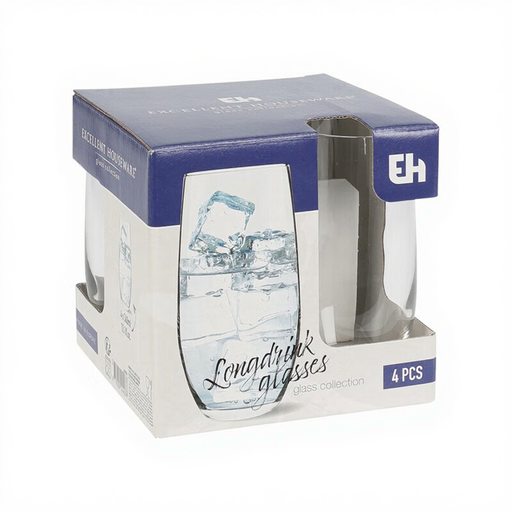
Why This Fits Their Persona: Ideal for daily use. This set focuses on the essentials: a robust construction, a sufficient capacity of 360 ml for water or juice, and a simple design that complements any dinnerware.
It bypasses the material trap by presenting itself as an honest, everyday glass without exaggerated promises. The functional design with a solid base avoids the design trap of impractical, unstable glasses.
A practical set of 4 for immediate use. The simple shape makes cleaning easy and ensures good handling.
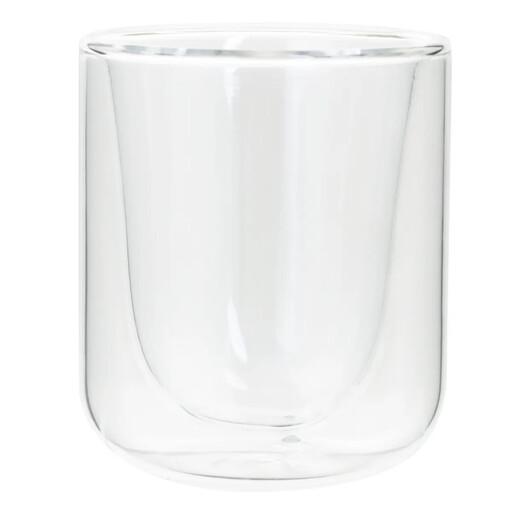
Why This Fits Their Persona: Perfect for espresso and coffee lovers. The double-walled construction keeps hot drinks warm longer, while the outside remains comfortably cool. The transparent design also showcases the espresso and its crema.
This cup solves the temperature trap by using borosilicate glass. The double wall is not a gimmick but a functional feature that offers a real benefit: insulation.
Excellent thermal insulation. According to the manufacturer, the cup is microwave and dishwasher safe, which simplifies everyday use.
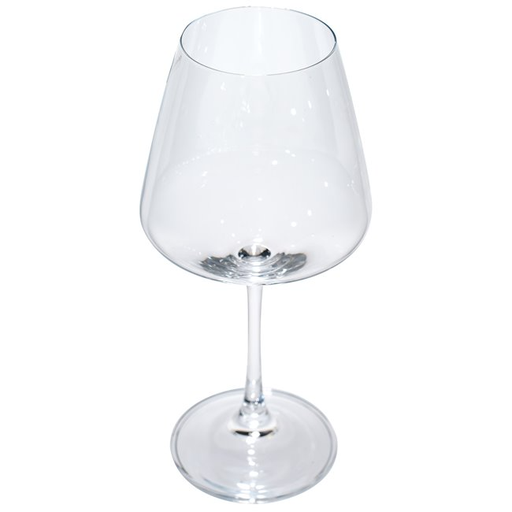
Why This Fits Their Persona: For wine lovers who value both aesthetics and function. The bulbous shape gives the wine space to develop its aromas, while the crystalline glass ensures a clear, brilliant appearance.
This glass is designed for a specific purpose. It avoids the trap of impractical design, as its shape directly serves aroma development. The material (crystalline) is intentionally used for its optical properties.
The crystalline glass offers exceptional clarity, according to the manufacturer. The shape, with its generous bowl, is suitable for swirling and appreciating the bouquet of both red and white wines.
We have compiled a complete, up-to-date list of products that fully meet these strict selection criteria and German safety regulations.
Yes, the functional advantage is measurable. The layer of air between the two glass walls acts as an insulator. This keeps the beverage inside hot for longer, while the outer surface remains cool enough to touch. It also minimises condensation on the outside with cold drinks. The prerequisite is that they are made from heat-resistant borosilicate glass.
Glass corrosion, often called "glass clouding," is a milky haze that cannot be removed. To prevent it, you should not wash glasses too hot in the dishwasher (use a glass or delicate cycle), use the right detergent, and dose the rinse aid correctly. Opening the dishwasher immediately after the cycle helps the hot steam to escape. For very high-quality glasses, hand washing is often recommended.
Without a lab analysis, it's difficult, but there are a few clues. Crystal glass typically has a higher density and feels slightly heavier for its size. It refracts light more strongly, resulting in more "sparkle" or brilliance. Another indicator is the sound: lightly tapping a crystal glass often produces a longer, clearer tone than a soda-lime glass.