
Lieferung heute & morgen

Qualitätsgarantie

Willkommens-Angebote freischalten: KOSTENLOSE Lieferung | Bis zu 80 % RABATT | Kostenlose 30-Tage-JoyPlus-Testphase
App herunterladen
A glass candle holder can transform a room and create an inviting atmosphere. Yet, the selection is vast, and not every product lives up to its promise. Certain flaws in material and design often mean a seemingly attractive piece proves to be impractical or even unsafe. This guide will help you identify the crucial features and make an informed choice.
Many buyers focus solely on aesthetics, but functional shortcomings often reveal themselves only with use. Watch out for these three common problems to avoid a bad purchase:
To avoid the issues mentioned above, you should check three core aspects before buying. These define the quality, safety, and longevity of a glass candle holder.
The type of glass used is a critical factor for safety and durability.
A safe candle holder stands firmly on its surface. Look for the following design features:
Practical details make all the difference in daily use. A well-thought-out design also considers protection from wax.
Instead of a one-size-fits-all recommendation, we present models tailored to specific needs and user profiles.
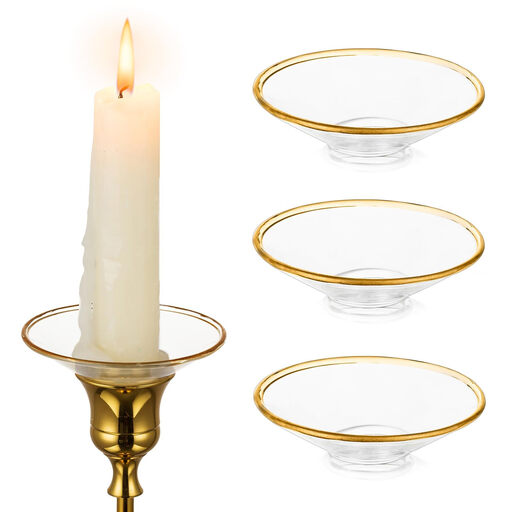
Why This Fits Their Persona: Ideal for event planners or hosts who frequently use taper candles. These glass bobeches offer a functional yet elegant solution to protect candlesticks and tablecloths from wax drips. They are reusable and fit standard taper candles.
Proactively solves the problem of difficult cleaning. The curved design effectively catches wax before it reaches the candle holder or table surface.
Effectively protects surfaces; the subtle gold rim adds a touch of elegance without being obtrusive. Made from hand-blown glass.
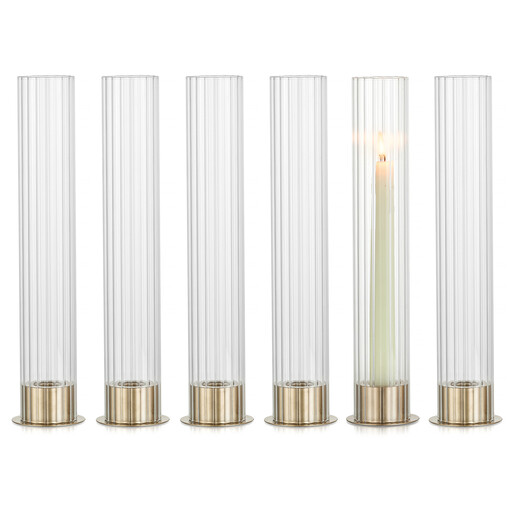
Why This Fits Their Persona: Perfect for creating a striking, festive tablescape for weddings, dinner parties, or in upscale hospitality. The 45.5 cm height and the combination of a gold candle holder base with a ribbed glass cylinder create a luxurious ambiance.
Prevents the problem of instability with a heavy, non-slip metal base. The glass cylinder, made of heat-resistant borosilicate glass, minimises the risk of heat-induced cracks.
Tall, elegant design for a strong visual accent. The glass cylinder protects the flame from draughts and refracts the light beautifully.
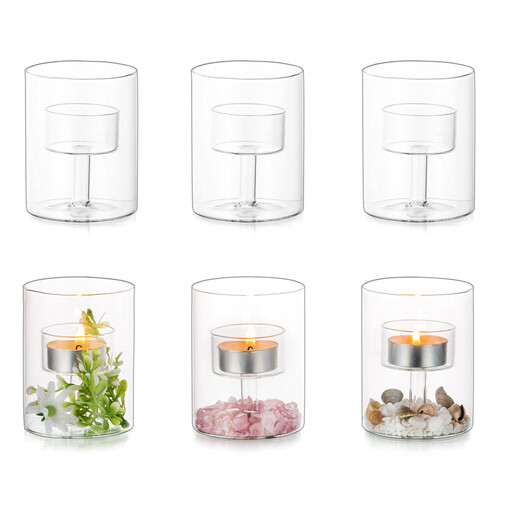
Why This Fits Their Persona: Ideal for anyone seeking flexible and stylish decor for everyday use. The set of three holders in different heights (9, 12, and 15 cm) allows for creative arrangements on the dining table, mantelpiece, or shelf. They can also be used as small vases or for DIY decorations.
The design as a glass tealight holder is engineered for the heat of tealights. The simple, open chalice shape avoids the problem of difficult cleaning, as wax residue is easily accessible.
Versatile set for dynamic decorations. According to the manufacturer, the hand-blown glass offers high clarity and brilliance. The dual-purpose design also works as a standalone decorative object without a candle.
We have compiled a comprehensive, up-to-date list of products that fully meet these strict selection criteria and current safety standards.
1. What's the easiest way to clean wax residue from a glass candle holder? To remove wax, you can place the candle holder in the freezer for about an hour. The cold wax will contract and can often be popped out in one piece. Alternatively, you can fill the holder with hot water (provided it is heat-resistant glass) to melt the wax. The liquid wax will then float to the surface and can be removed after it cools and solidifies.
2. Can any glass candle holder be used outdoors? Not every candle holder is suitable for outdoor use. Models designated as a decorative lantern or glass hurricane lamp typically have a high rim or a glass cylinder to protect the flame from wind. Also, look for a stable, heavy base to prevent the candle holder from tipping over in a gust of wind.
3. Which glass is safest for candle holders? For enclosed or narrow candle holders where heat can accumulate, Borosilicate glass is a safe choice due to its high heat resistance. For open holders where heat can dissipate well, thick-walled, high-quality soda-lime glass is generally sufficient. Avoid very thin-walled glass products of unknown quality.