
Lieferung heute & morgen

Qualitätsgarantie

Willkommens-Angebote freischalten: KOSTENLOSE Lieferung | Bis zu 80 % RABATT | Kostenlose 30-Tage-JoyPlus-Testphase
App herunterladen
A glass carafe is a stylish way to serve water, juice or homemade lemonade, and for many households it is part of the everyday table setting. However, not every decorative model offers a practical solution. Capacity, closure, cleaning and the intended temperature range are all important factors.
If you focus only on shape and price, you can easily overlook important details. A narrow opening can make filling and cleaning more difficult, a lid that does not seal properly can cause liquid to spill during transport, and a large glass drinks dispenser requires more space than you might initially expect.
A tall, slender glass water carafe may look elegant on the table, but it might not fit in the fridge door. Before buying, compare the height, diameter and opening size with the storage space you have available. Weight also matters if you regularly carry the filled carafe to the dining table.
Many models are intended exclusively for cold or room-temperature drinks. Glass can be damaged by sudden temperature changes. Filling a glass carafe straight from the fridge with hot water creates a risk of stress fractures and breakage. Statements such as “suitable for cold drinks” should therefore not be interpreted as meaning that the carafe is suitable for hot drinks.
Not every glass carafe with a lid, stopper or tap is suitable for the dishwasher. For example, the Fuzy drinks dispenser is explicitly stated to be not dishwasher-safe. Decorative surfaces can also suffer from frequent cleaning or abrasive products. Clear care instructions are therefore an important factor when making your choice.
The right size depends on how you intend to use it:
A larger vessel is not automatically more practical. It becomes heavier when full and may be awkward to handle in smaller fridges.
For glassware intended for cold drinks, a smooth interior and clear information about use are important. Products that come into contact with food are subject to requirements including those set out in Regulation (EC) No 1935/2004. If a product explicitly states that it complies with these requirements, this information should be easy to find in the product description.
Glass generally absorbs fewer odours in everyday use than some plastics, but it is vulnerable to breakage. Cracks, chips or deep scratches are all reasons to stop using the vessel. With plastic alternatives, BPA-free material may be relevant; however, a glass water jug remains the right choice if you are looking for a transparent, neutral-tasting serving solution.
A lid protects the contents from dust and can help reduce spills when carrying the carafe. It is important to check whether it seals tightly or simply rests loosely on top. A well-designed spout makes portioning easier, while a tap on a glass drinks dispenser allows you to serve drinks without lifting the vessel.
For dishwasher-safe glasses and carafes, always follow the specific manufacturer’s instructions. With tall, narrow vessels, it is also worth checking the opening: a narrow opening looks decorative but makes manual cleaning more difficult. Do not use aggressive scouring products and avoid sudden temperature changes.
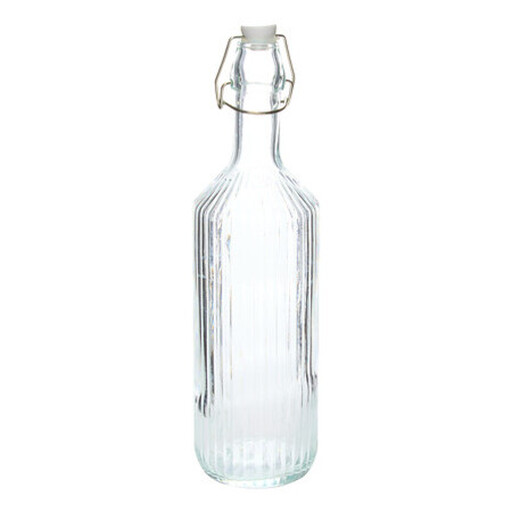
Why this product suits the profile: The 1-litre capacity is a manageable size for everyday use. The stopper supports covered storage, and according to the product information, the bottle is dishwasher-safe.
The product details clearly specify the capacity, dimensions and care requirements. This makes it easier to assess whether it is suitable for your fridge and dishwasher before buying.
1-litre capacity, transparent glass body, stopper and stated dishwasher suitability.
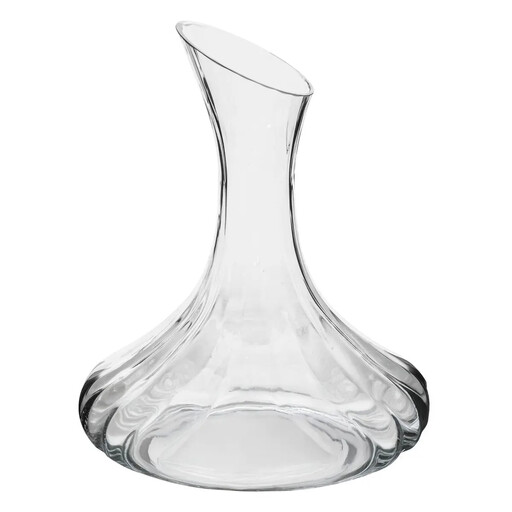
Why this product suits the profile: The generous capacity is designed for family meals and serving several cold drinks. The handle and spout are designed to make pouring controlled and effortless.
The description specifies that it is intended for cold drinks and can be cleaned by hand or in the dishwasher. This keeps the temperature and care requirements clear.
2-litre capacity, ergonomic handle, shaped spout and stated dishwasher suitability.
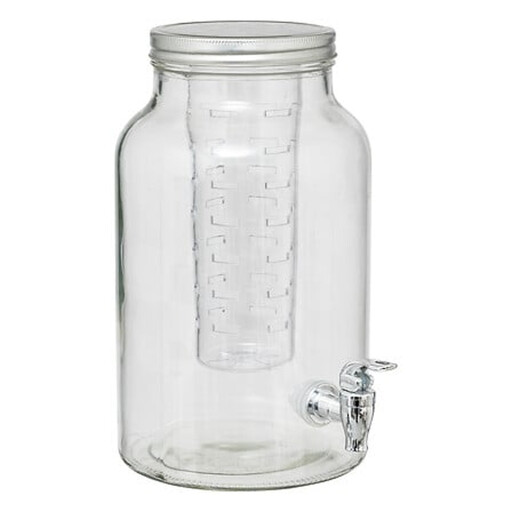
Why this product suits the profile: This glass drinks dispenser is designed for parties, buffets and self-service. The tap lets you pour drinks without having to lift the vessel.
The product details explicitly state that it should be hand-washed and used with cold drinks, and that it is not suitable for microwaves or dishwashers. These points help prevent incorrect use.
6-litre capacity, tap, clear view of the fill level and stated suitability for food contact.
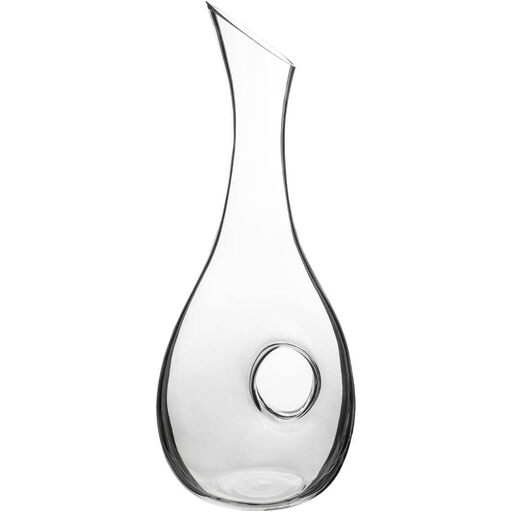
Why this product suits the profile: The slender shape and spout make it suitable for serving wine, water and juice. It can therefore be used as a wine carafe or glass decanter.
The description specifies the material, capacity, spout and dishwasher suitability. However, the intended use with cold drinks should still be observed.
1-litre capacity, transparent glass body, slender neck and shaped spout.
A carafe looks particularly cohesive in everyday use when you have glasses of a similar size and shape. For families and guests, the Secret de Gourmet Gaspard Tall Glasses with a 36 cl capacity in a set of 4 are a suitable choice. The product description states that they are suitable for cold and room-temperature drinks and are dishwasher-safe.
For smaller servings or extra temperature protection, double-walled glasses are worth considering, such as the BODUM-CANTEEN set with a 0.4-litre capacity. However, always follow the manufacturer’s instructions regarding hot and cold drinks. Even dishwasher-safe glasses should not be exposed to sudden temperature changes.
We have put together a complete, regularly updated list of products that fully meet these strict selection criteria and the safety regulations applicable in the EU.
For one or two people, a 1-litre carafe is often sufficient. Families and hosts will often benefit from a capacity of 1.5 to 2 litres. A 6-litre model is more suitable for events and should be placed on a stable, sufficiently spacious surface.
That depends on the individual model. A glass carafe should only be placed in the dishwasher if this is explicitly stated in the product description or care instructions. Lids, stoppers and taps may have different care requirements.
With careful handling, glass can be used for a long time. Its lifespan depends mainly on impacts, scratches, temperature changes and cleaning. Damaged carafes or glasses should not be used further for safety reasons.