
Lieferung heute & morgen

Qualitätsgarantie

Willkommens-Angebote freischalten: KOSTENLOSE Lieferung | Bis zu 80 % RABATT | Kostenlose 30-Tage-JoyPlus-Testphase
App herunterladen
A good glass casserole dish with a lid is a true kitchen workhorse, handling everything from baking in the oven and serving at the table to storing leftovers in the fridge. However, hidden pitfalls in the selection process can quickly turn this supposed kitchen helper into a disappointment. An ill-fitting lid or glass that shatters from temperature changes are common frustrations. This guide will show you the crucial features to look for to make an informed decision.
Before you make a decision, it's important to understand the typical problems that often only become apparent after the purchase.
To avoid these problems, focus on the following objective criteria. These factors define the durability and versatility of your new casserole dish.
The crucial material for a high-quality oven-safe dish with a lid is borosilicate glass. Unlike conventional glass, it is characterized by a low coefficient of thermal expansion.
This material is not only safer but also more hygienic, as it does not absorb odours, flavours, or stains from foods like tomato sauce.
The shape of the dish and the design of the lid determine how practical the product is for daily use.
A thoughtful combination of a borosilicate glass dish and a matching heat-resistant or at least microwave-safe lid offers the greatest flexibility.
Here are some options tailored to specific needs that meet the quality criteria mentioned above.
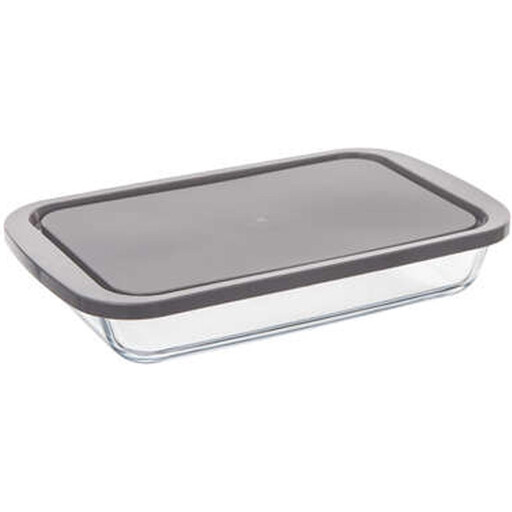
Why This Fits Their Persona: Ideal for those who want a single solution for cooking, storing, and reheating meals. The rectangular shape is perfect for meal prep and making efficient use of fridge space.
The dish is made of borosilicate glass and is oven-safe up to 400°C according to the manufacturer, which minimises the risk of thermal shock. While the included lid is not for the oven, it is designed for the microwave and for storage, providing a clear and safe separation of functions.
High heat resistance of the glass dish; versatile for use from the oven to the freezer; dishwasher-safe for easy cleaning.
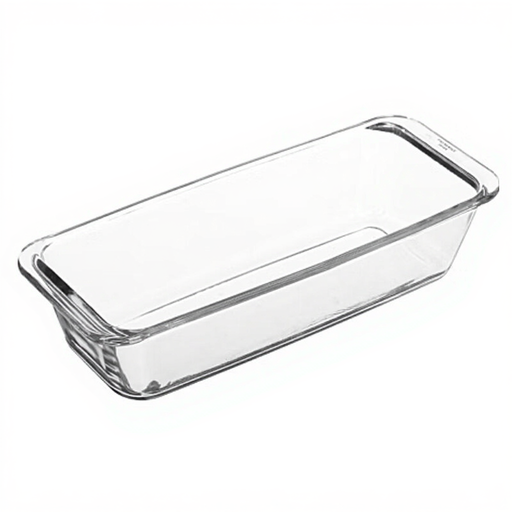
Why This Fits Their Persona: Perfect for home bakers who regularly make bread, p?tés, or loaf cakes. The glass walls allow for even browning and easy monitoring of the baking progress.
This product focuses on one core function: baking. It comes without a lid, which prevents any false expectations about storage capabilities from the outset. The focus is clearly on structural stability and heat distribution during baking.
Specialised, elongated shape ideal for breads and cakes; transparent glass for visually monitoring the bake.
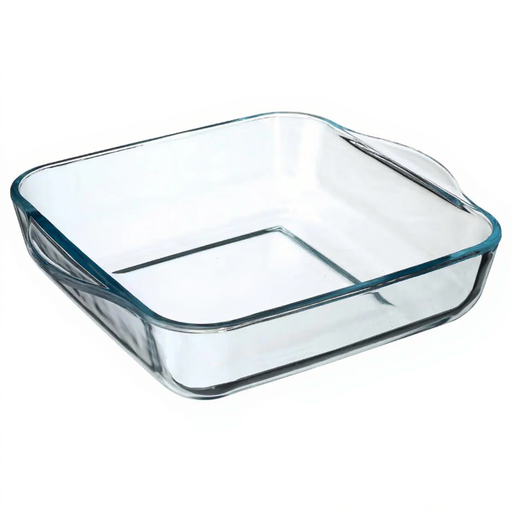
Why This Fits Their Persona: Suitable for making brownies, smaller casseroles, or side dishes. The square shape is practical for even portions and fits well in smaller ovens or as a companion to larger dishes.
Similar to the loaf pan, this is a specialised product without a lid. It avoids the problem of an ill-fitting or non-heat-resistant lid by focusing on its primary function as a baking dish. The buyer knows exactly what they are getting.
Compact, square shape for specific recipes; integrated handles for safe handling; made from durable glass.
We have compiled a comprehensive, up-to-date list of products that fully meet these strict selection criteria and all applicable safety regulations.
Is borosilicate glass really necessary for a casserole dish? For a dish that you plan to use flexibly for both hot and cold applications, it is highly recommended. Its high resistance to thermal shock significantly minimises the risk of cracks or shattering, increasing both the safety and longevity of the product. For serving-only dishes, it is less critical.
Can the lid of a glass casserole dish go in the oven? This depends entirely on the lid's material. A lid made of borosilicate glass is generally oven-safe. Plastic lids (even if described as "heat-resistant") are usually only designed for the microwave, not for the high temperatures of an oven. Always read the manufacturer's instructions for the lid separately.
How do you clean a glass casserole dish with baked-on residue? Glass is relatively easy to care for. For stubborn, baked-on food, it's best to soak the dish in warm water and a bit of dish soap immediately after it has cooled down. For very tough crusts, a paste made of baking soda and water can help. Apply the paste, let it sit, and then scrub the residue away with a non-abrasive sponge.