
Lieferung heute & morgen

Qualitätsgarantie

Willkommens-Angebote freischalten: KOSTENLOSE Lieferung | Bis zu 80 % RABATT | Kostenlose 30-Tage-JoyPlus-Testphase
App herunterladen
A glass casserole dish with a lid is a versatile kitchen essential. It allows you to prepare, serve, and store food all in one container. However, not every model lives up to its promise. Many buyers discover only after a short time that their new kitchen tool develops cracks, the lid warps, or cleaning is a chore. To save you from such disappointment, we will highlight the crucial features that define a functional and durable casserole dish.
Marketing promises can be misleading. Pay attention to these three common issues to avoid a bad purchase:
To avoid the problems mentioned above, you should check three key parameters before buying. These define the functionality and longevity of your new glass baking dish.
The most important criterion is the material of the dish itself. A high-quality borosilicate glass casserole dish is the foundation for flexible use. Unlike conventional glass, borosilicate glass has a very low coefficient of thermal expansion.
The lid is crucial for all-in-one utility. Check its material and the manufacturer's instructions for use:
The right size and shape depend on your household and cooking habits.
Based on the quality criteria mentioned, we have identified some products that are suitable for different user profiles.
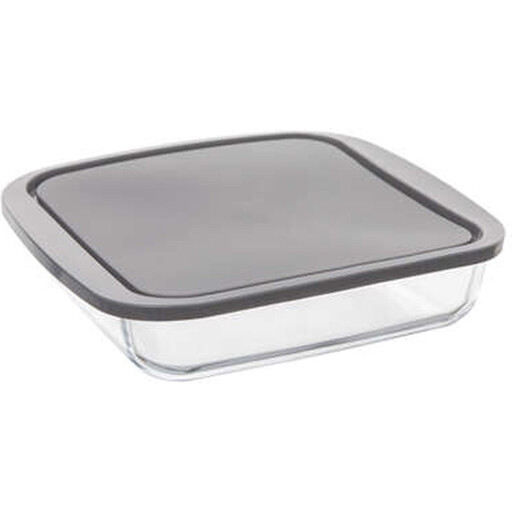
Why This Fits Their Persona: Ideal for small families or couples looking for a compact, all-in-one solution for casseroles, gratins, or storing leftovers. The square shape is space-saving and versatile.
The dish is made of borosilicate glass and is rated oven-safe up to 400°C, minimizing the risk of thermal shock. The lid is clearly specified for storage and microwave use, not for the oven.
Compact, square shape (22x22 cm) with a 1.8 L capacity. The glass dish is dishwasher and microwave-safe.
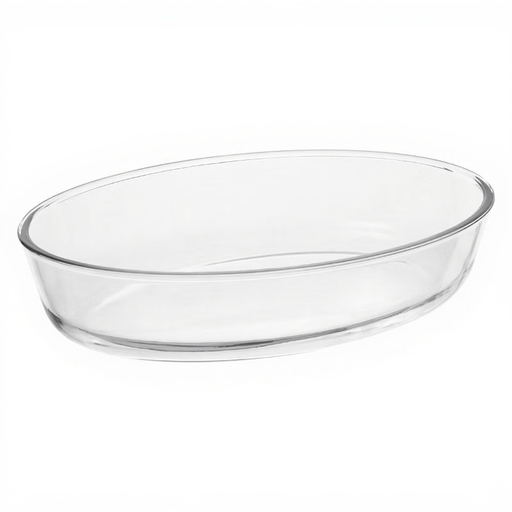
Why This Fits Their Persona: Perfect for home cooks who enjoy cooking for guests or meal-prepping for the week. The oval shape and large capacity are excellent for roasts, large lasagnas, or poultry.
This model also uses borosilicate glass, making it robust for oven use. The polypropylene lid is designed for storage, thus preventing incorrect use in a hot oven.
Generous 3.8-liter capacity. According to the manufacturer, the glass dish is suitable for the oven, microwave, and dishwasher.
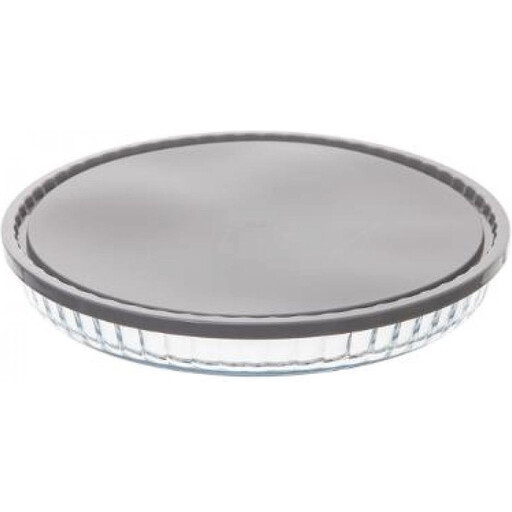
Why This Fits Their Persona: For baking enthusiasts who want a dish specifically for round cakes, quiches, or tarts and want to keep them fresh right after baking. The dish can go from the oven straight to the coffee table.
The use of borosilicate glass makes it a reliable baking dish. The included lid transforms it into a practical storage container after cooling, eliminating the need for plastic wrap.
Specialized round shape (? 27.5 cm) with a very large 4.5 L capacity. The glass dish is suitable for the oven, microwave, freezer, and dishwasher.
We have compiled a complete, up-to-date list of products that fully meet these strict selection criteria and safety regulations.
The glass dish itself is usually dishwasher-safe, especially if it's made of borosilicate glass. However, caution is advised with the lid. Lids made of polypropylene (PP) are often suitable for the dishwasher but can warp at very high temperatures. It is recommended to check the manufacturer's specific instructions and, if necessary, clean the lid in the top rack of the dishwasher.
This depends entirely on the material. Only casserole dishes made of borosilicate glass are designed for such abrupt temperature changes. If you try this with a dish made of normal soda-lime glass, you risk the material shattering due to thermal shock. Therefore, explicitly look for "borosilicate glass" in the product description.
There is no one-size-fits-all answer, as it depends on the intended use. A lid made of polypropylene is lightweight, shatterproof, and ideal for covering food in the refrigerator or reheating in the microwave. A glass lid would also be oven-safe but is heavier, more fragile, and less common for casserole dishes. For most everyday applications—cooking in the dish, storing with the lid—the combination of a borosilicate glass dish and a polypropylene lid is a very practical compromise.