
Lieferung heute & morgen

Qualitätsgarantie

Willkommens-Angebote freischalten: KOSTENLOSE Lieferung | Bis zu 80 % RABATT | Kostenlose 30-Tage-JoyPlus-Testphase
App herunterladen
A high-quality glass food container is more than just a box. It's a system for organising your kitchen, reducing food waste, and supporting a conscious lifestyle. However, the market is flooded with products whose marketing promises often fall short in practice. Many buyers quickly discover that their new containers leak, the lids warp, or the glass develops cracks under temperature fluctuations.
As your Joybuy Product Recommendation Officer, I'm here to help you identify these pitfalls. Instead of falling for exaggerated advertising claims, we will focus on the verifiable facts and technical specifications that define a durable and functional food container.
Before we dive into the key features, let's identify the three most common problems that lead to disappointment and unnecessary expense.
To avoid a bad purchase, you should base your decision on three objective criteria. These define the functionality, safety, and longevity of your glass container with a lid.
Not all glass is created equal. The critical difference lies in the material composition.
A reliable seal is the core of any good glass lunch box or meal prep container. Look for a combination of two elements:
Since the lid often comes into direct contact with food, its material composition is of great importance. A BPA-free certified lid (usually made of polypropylene (PP) or Tritan) ensures that no unwanted chemicals leach into your food. Also, check the manufacturer's specifications for its suitability for the dishwasher, microwave (often only with the locking tabs open), and freezer.
Based on the quality criteria mentioned, we have selected a few products from our range that are suitable for specific user profiles.
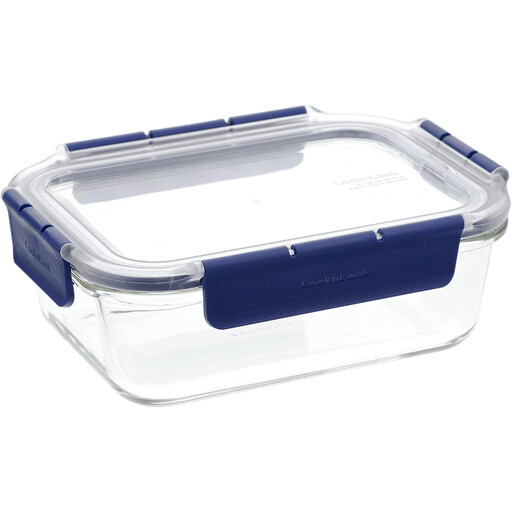
Why This Fits Their Persona: This glass food container set is ideal for preparing meals for several days. The 630 ml size is perfect for a single portion, and the set of three containers allows for structured weekly planning.
LocknLock's proven 4-sided click-lock system, combined with the silicone gasket, directly addresses the 'leak-proof' illusion and ensures reliably sealed transport.
The heat-resistant glass is suitable for the microwave and freezer. According to the manufacturer, the lid is BPA-free, and the containers are dishwasher-safe.
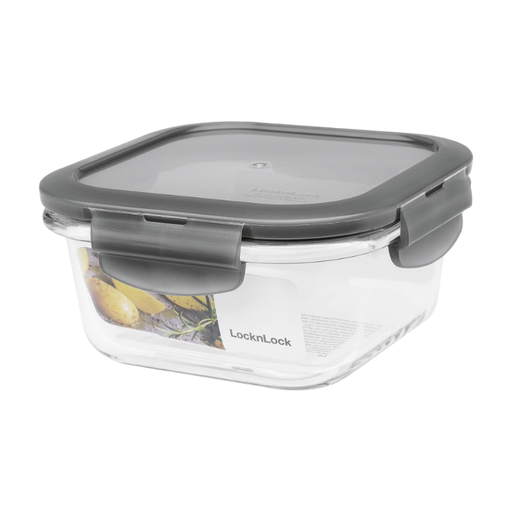
Why This Fits Their Persona: For anyone looking for a multi-functional solution. This container serves as a storage jar, glass meal prep box, and small casserole dish all in one. It's ideal for preparing dishes directly in the oven and then storing leftovers in the same container.
This product debunks the 'oven-safe' myth, as it is explicitly made from borosilicate glass and, according to the manufacturer, withstands oven temperatures up to 400°C (without the lid).
Maximum versatility: Cook, serve, store, freeze, and reheat in a single container. The square shape is also space-saving and stackable.
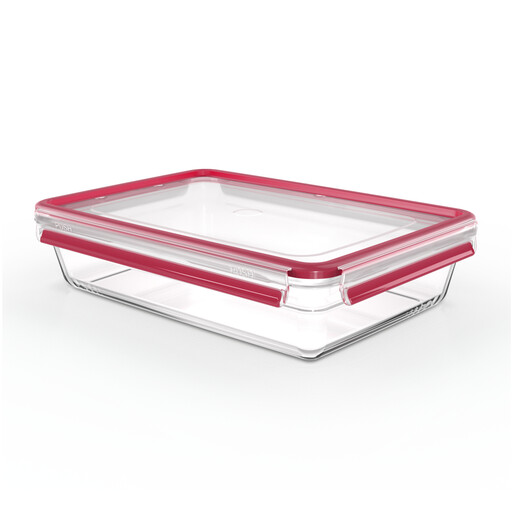
Why This Fits Their Persona: For families and demanding users seeking a large, robust, and durable solution. The 3-litre volume is perfect for large portions, salads, or storing baked goods. The stacking rim helps keep the fridge organised.
The special gasket and German-engineered locking technology are 100% leak-proof, according to the manufacturer, Emsa. Furthermore, the container is certified safe for baby food, which bypasses the pitfall of inferior lid materials.
Extremely high heat resistance up to 420°C (without the lid) and cold resistance down to -40°C. The reinforced rim and stacking edge provide additional stability and organisation.
We have compiled a complete, up-to-date list of products that fully meet these strict selection criteria and rigorous safety standards.
No, as a rule, plastic lids (e.g., made of polypropylene or Tritan) are not suitable for use in the oven. They would melt or warp at high temperatures. Always remove the lid before placing the glass container in the oven or microwave, unless the manufacturer explicitly states otherwise.
The main difference lies in thermal resistance. Borosilicate glass contains boron trioxide, making it extremely resistant to sudden temperature changes (thermal shock). Regular glass can shatter when moving quickly from cold to hot. For applications involving the oven, microwave, and freezer, borosilicate glass is the safer and more durable choice.
For hygienic cleaning and to maintain the seal's integrity, it is advisable to regularly remove the silicone gasket from the lid. Clean the gasket and the lid's groove by hand with warm water and mild dish soap. Allow both parts to air-dry completely before reinserting the gasket. This prevents mould growth and ensures the gasket remains flexible and functional.