
Lieferung heute & morgen

Qualitätsgarantie

Willkommens-Angebote freischalten: KOSTENLOSE Lieferung | Bis zu 80 % RABATT | Kostenlose 30-Tage-JoyPlus-Testphase
App herunterladen
By a Joybuy Product Recommendation Officer, August 29, 2026
Glass food storage containers are a popular choice for keeping food fresh. They are hygienic, don't absorb odours, and offer a sustainable alternative to plastic. However, not all glass containers are created equal. An uninformed purchase can lead to cracked glass, leaky lids, or containers that are unsuitable for their intended use. Before you make a decision, it's crucial to understand the most common pitfalls to ensure you choose a durable and safe option.
Many products on the market promise versatility, but critical weaknesses are often hidden in the details. These three issues frequently lead to disappointment:
To avoid these problems, you should pay close attention to a few technical specifications. These features determine whether a product will truly perform in everyday use.
Choosing the right type of glass is essential for use in the kitchen. Specifically look for products labelled as borosilicate glass containers. Unlike normal glass, borosilicate glass has a low coefficient of thermal expansion.
A reliable lid is essential for functionality, especially for glass meal prep containers or for transporting liquids.
For efficient use of space in your fridge or cupboard, shape and stackability are important. Rectangular or square glass food storage containers make better use of available space than round ones. Some models feature a raised edge on the lid, which allows for secure and stable stacking.
Based on these objective criteria, we have identified several products that are well-suited for specific user profiles and their needs.
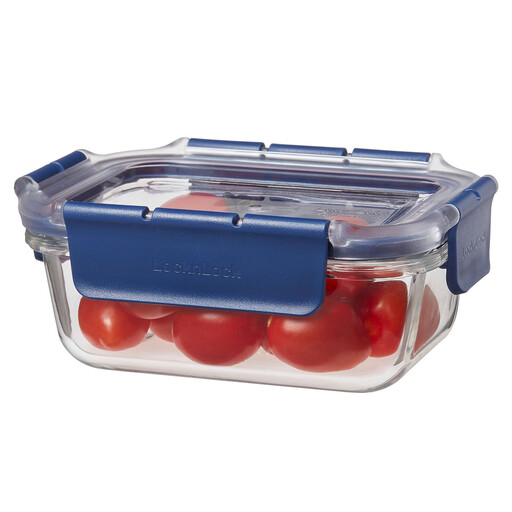
Why This Fits Their Persona: Ideal for preparing individual meals. The compact size is perfect for portion control, and the high-quality materials ensure that no unwanted substances leach into the food. Its stackability saves valuable space in the fridge.
The container is made of borosilicate glass, which is heat-resistant up to 400°C and minimises the risk of thermal shock. The durable Tritan lid and 4-sided locking system reliably prevent leaks and warping.
According to the manufacturer, it's 100% airtight and watertight. The lid is stain-resistant and transparent, making the contents easy to identify. The raised edge of the lid allows for stable stacking.
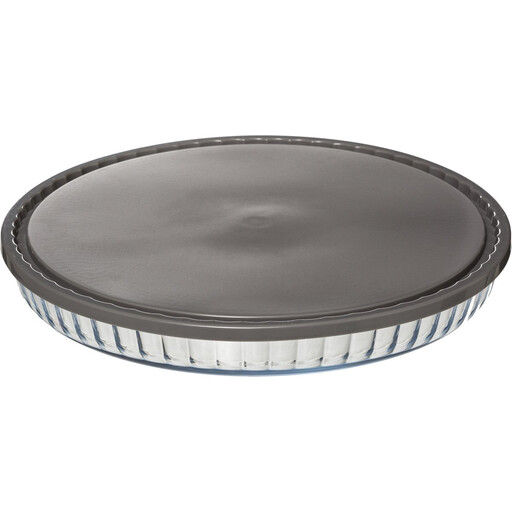
Why This Fits Their Persona: Perfect for preparing casseroles, cakes, or large oven-baked dishes. The dish can go directly from the oven to the table. Thanks to the included lid, leftovers can be stored easily and securely in the refrigerator.
The material is borosilicate glass, which makes it safe to use as a casserole dish. While the included polypropylene lid is not oven-safe, it solves the storage problem without having to resort to plastic wrap.
Large usable volume of 2.9 litres. The dish is suitable for both the oven and the microwave and, according to the manufacturer, can be cleaned in the dishwasher, which simplifies cleanup.
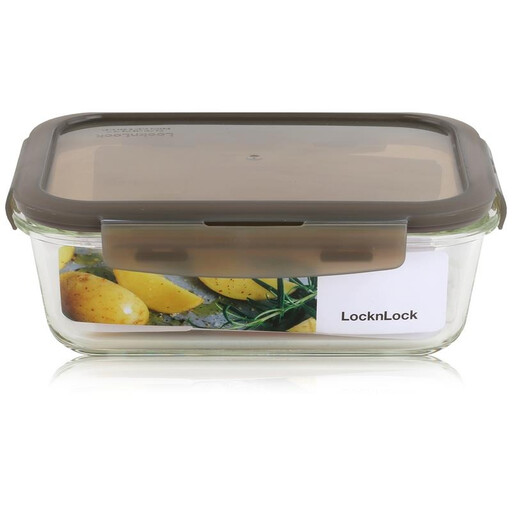
Why This Fits Their Persona: A versatile all-rounder for daily storage of leftovers, taking lunch to work, or keeping ingredients fresh. The rectangular shape is space-saving, and the size is ideal for a single portion.
The patented 4-sided locking system with a silicone gasket ensures a reliable seal and prevents leaks. The borosilicate glass is suitable for the oven (up to 400°C), microwave, and freezer (-20°C), making it extremely versatile.
According to the manufacturer, the container is airtight, watertight, and BPA-free. The silicone gasket is removable for easy and hygienic cleaning. The container is also dishwasher-safe.
We have compiled a complete, up-to-date list of products that fully meet these strict selection criteria and safety regulations.
1. Can glass food containers go directly from the freezer to the microwave? Even with borosilicate glass, this is not recommended. Extreme and sudden temperature changes (thermal shock) place a high level of stress on the material and can lead to breakage. It is safer to let the container thaw at room temperature or in the refrigerator before heating it in the microwave or oven.
2. Are the lids of glass food containers always oven-safe? No, as a rule, the lids are not oven-safe. They are usually made of plastic (e.g., polypropylene or Tritan) and would melt or warp at high oven temperatures. Always remove the lid before placing the glass container in the oven or using most microwave functions (except for the defrost setting).
3. How do you properly clean the silicone gaskets in the lids? On many high-quality models, the silicone gasket can be removed from the lid. This is essential for hygienic cleaning, as moisture and food particles can accumulate under the gasket, which can lead to mould growth. Regularly remove the gasket and clean it and the groove in the lid by hand or in the dishwasher. Let all parts dry completely before reassembling them.