
Lieferung heute & morgen

Qualitätsgarantie

Willkommens-Angebote freischalten: KOSTENLOSE Lieferung | Bis zu 80 % RABATT | Kostenlose 30-Tage-JoyPlus-Testphase
App herunterladen
By the Joybuy Product Recommendation Officer, August 29, 2026
Glass food storage containers are a popular choice for health and eco-conscious households. They're hygienic, resist odours and stains, and offer a durable alternative to plastic. However, not all glass containers are created equal. Marketing claims can be misleading, leading to products that fail to perform in daily use. Before you make a purchase, it's crucial to understand the most common pitfalls to avoid a poor investment.
The three most common problems with low-quality glass containers are:
To ensure your new glass containers can stand up to the demands of daily use, you should focus on three key product features. These are what ultimately define functionality and longevity.
The most important characteristic for versatile glass containers with lids is the type of glass used. There is a fundamental difference here:
A good lid is critical for functionality. Look for the following features to ensure your container is truly airtight and leak-proof:
For a tidy kitchen and a well-organised refrigerator, the shape of the containers matters. Rectangular or square containers make more efficient use of available space in cupboards and the fridge than round ones. Another important factor is whether the containers are stackable. Models with a specially designed rim on the lid or base allow for secure stacking without the tower toppling over. This is particularly relevant for a glass container set to maintain order.
Based on the quality criteria mentioned, we have identified several products that offer a suitable solution for specific user profiles.
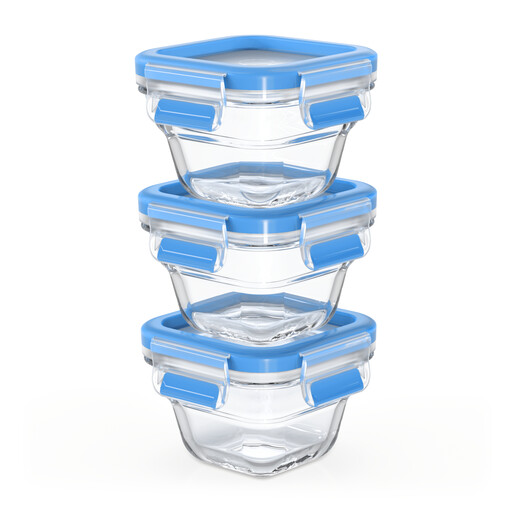
Why It's a Match: Ideal for those starting with meal prep who need a reliable, leak-proof solution for transporting lunches like salads with dressing or soups. The compact size is perfect for single portions.
The Clip & Close system with its special gasket is designed to be 100% leak-proof. This specifically bypasses the common pitfall of a leaky lid.
The set is freezer, oven (without lid), and microwave safe. The reinforced rim allows for non-slip stacking of same-sized containers.
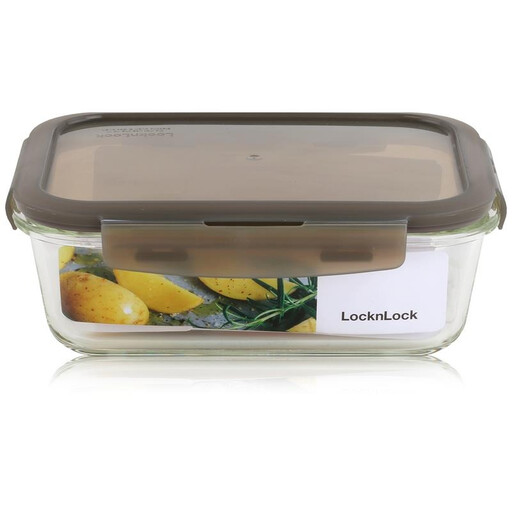
Why It's a Match: Perfect for ambitious cooks who want one container for everything: baking small casseroles, freezing leftovers, and reheating in the microwave. The high heat resistance is crucial here.
This product is explicitly made from borosilicate glass. This minimises the risk of the glass shattering from thermal shock, a common issue with inferior containers falsely labelled as "oven-safe."
According to the manufacturer, it is oven-safe up to 400°C (without lid) and freezer-safe down to -20°C. The 4-sided locking system ensures an airtight and watertight seal.
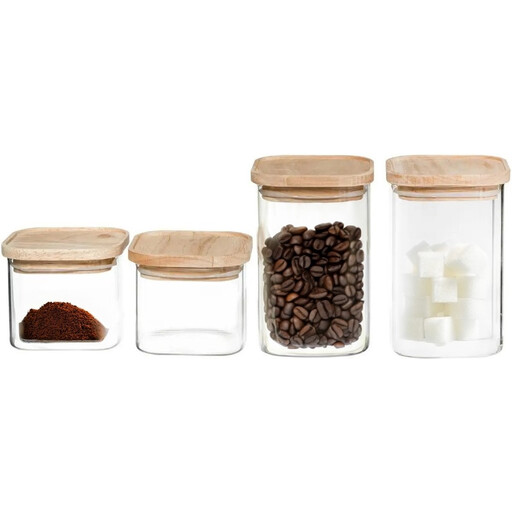
Why It's a Match: For anyone who wants to store dry goods like pasta, rice, flour, or cereal in a stylish and organised way. The aesthetic combination of glass and wood looks great on an open shelf or countertop.
These glass pantry jars are specifically designed for dry foods. The wooden lid is ideal for this purpose and avoids the pitfall of using an unsuitable lid for wet foods, which could lead to mould.
The set is made of borosilicate glass and the lids are made of Hevea wood. The jars are dishwasher-safe (excluding lids), which makes cleaning easy.
We have compiled a complete, up-to-date list of products that fully meet these strict selection criteria and UK safety regulations.
1. Can glass food storage containers go directly from the freezer to the oven? Only if they are explicitly made from borosilicate glass. Even then, most manufacturers recommend letting the container sit at room temperature for a short time before heating to avoid extreme thermal shock. The lid must always be removed before heating in the oven or microwave. Always read the manufacturer's instructions.
2. How do you clean the lid gaskets hygienically? Many high-quality lids have a removable silicone gasket. Remove it regularly and clean it by hand with warm water and dish soap. Let the gasket and the lid's groove dry completely before reassembling. This prevents moisture build-up and the formation of mould.
3. Are bamboo or wooden lids suitable for wet foods? Generally, no. Wood and bamboo are natural materials that can swell, warp, or grow mould if exposed to moisture for extended periods. They are excellent as glass pantry jars for dry goods like flour, sugar, or pasta, where they help maintain a good environment. For soups, sauces, or marinated vegetables, plastic lids with silicone gaskets are the safer choice.