
Lieferung heute & morgen

Qualitätsgarantie

Willkommens-Angebote freischalten: KOSTENLOSE Lieferung | Bis zu 80 % RABATT | Kostenlose 30-Tage-JoyPlus-Testphase
App herunterladen
The search for the right food storage solution leads many to glass containers. Unlike plastic alternatives, they don't stain, absorb odours, or compromise on hygiene. Whether for meal prep, freezing leftovers, or keeping vegetables crisp, a high-quality glass food storage container is a versatile kitchen essential.
This article serves as your guide. It highlights the key criteria to consider when making your selection and presents a curated list of models with diverse features to help you make an informed decision.
A container's functionality is defined by its material, lid, and design. These three aspects are crucial for its durability and everyday practicality.
Many glass containers are made from borosilicate glass. This material is distinguished by its high heat resistance, which significantly expands its range of use. Such a container can often be used directly as a casserole dish with a glass lid because it is oven-safe. Always check the manufacturer's specifications for the maximum temperature (without the lid). At the same time, these containers are typically microwave- and freezer-safe, making them a flexible glass meal prep container.
The locking mechanism is a critical feature. For transporting soups, sauces, or marinated foods, a completely tight seal is essential. Models with snap-lock lids and an integrated silicone gasket offer superior security. A leak-proof food container not only protects its contents but also prevents spills in your bag and refrigerator.
To make the most of your space in the refrigerator or pantry, the container's shape is important. A rectangular or square stackable glass storage container creates an organised and clear system. Some manufacturers integrate special edges or grooves into the lid to prevent stacked containers from shifting, providing extra stability.
Based on the criteria above, we have compiled a selection of products that meet a variety of needs.
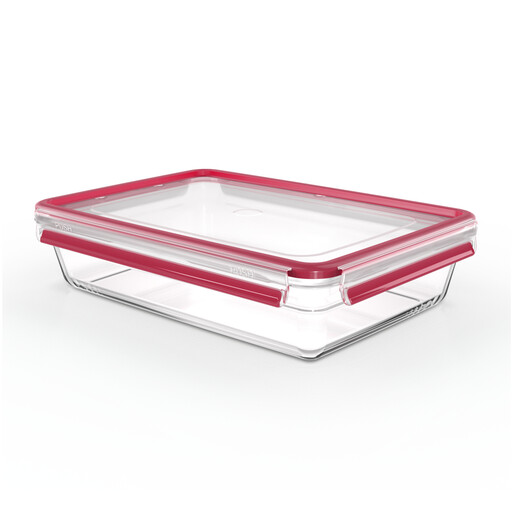
Why it stands out: This model from Emsa combines a large 3-litre capacity with thoughtful design details. According to the manufacturer, the special stacking edge ensures a non-slip grip when stacking containers of the same size. The proven locking technology with its signature "click" sound signals a secure seal.
Advantages:
Who it's for: Individuals and families looking for a large, robust, and multifunctional container for preparing, serving, freezing, and reheating meals. Ideal for lasagne, gratins, or large-batch meal prepping.
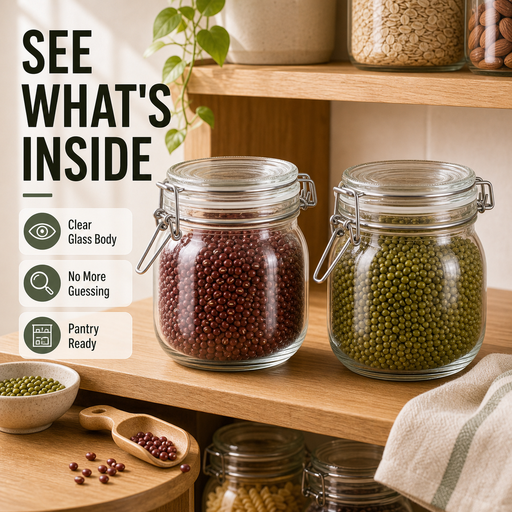
Why it stands out: These storage jars feature a classic design with stainless steel clamp lids and a silicone seal. The borosilicate glass is transparent, keeping the contents always visible. The clear focus here is on the airtight storage of dry goods.
Advantages:
Who it's for: Users seeking an aesthetic and functional solution for organising their pantry. Especially suitable for storing dry foods where an airtight seal is crucial.
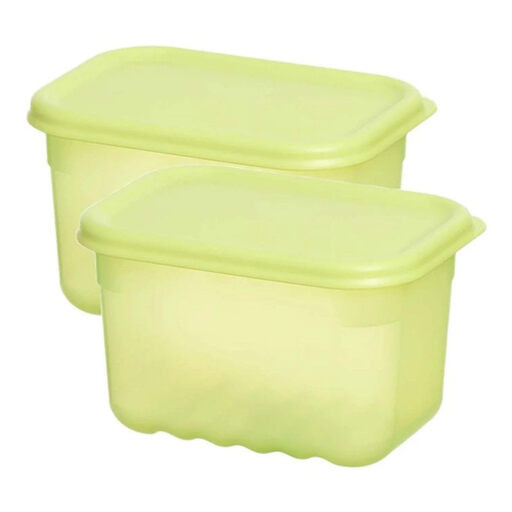
Important Note: This model is a container made from BPA-free plastic, not glass. It is included here as an alternative because it offers a specialised function that may be relevant for some users.
Why it stands out: The unique feature of this container is its "Breath Care Fresh Solution" technology, as named by the manufacturer. It is designed to absorb the ripening gas ethylene, which is proven to keep fruits and vegetables fresh for longer. According to the manufacturer, vegetables stay fresh for up to 31 days longer.
Advantages:
Who it's for: Users whose main priority is to maximise the freshness of delicate produce like lettuce, berries, or herbs, and who prefer a lightweight, durable alternative to glass.
While the containers featured are freezer-safe, there are specialised products for specific needs like making ice cubes or portioning baby food. If you want to optimise your freezer management, you can find a wider selection of suitable tools in our Ice Cube Trays & Bins category.
Both materials have specific advantages and disadvantages. Glass is hygienic, non-staining, odour-resistant, heat-proof, and infinitely recyclable. Plastic is lighter, generally more shatter-resistant, and often more budget-friendly. The choice depends on the primary use case: for baking, serving, and odour-neutral storage, glass is often the preferred choice. For transport and use by children, plastic can be more practical.
It is strongly advised not to place a frozen glass container directly into a hot oven. The abrupt temperature change can cause thermal shock, leading the glass to crack or shatter. Allow the container to thaw at room temperature, or place it in a cold oven and let it heat up gradually with the oven. While borosilicate glass is more resistant to temperature changes than regular glass, it is not completely immune.
For thorough hygiene, the sealing gasket should be regularly removed from the lid and cleaned separately. This prevents moisture build-up and mould growth. Most gaskets and lids can be cleaned by hand with warm, soapy water or in the top rack of the dishwasher. Hand washing can extend the life of the gasket.
By the Joybuy Product Recommendation Officer