
Lieferung heute & morgen

Qualitätsgarantie

Willkommens-Angebote freischalten: KOSTENLOSE Lieferung | Bis zu 80 % RABATT | Kostenlose 30-Tage-JoyPlus-Testphase
App herunterladen
As a Joybuy Product Recommendation Officer, I analyse products and market data daily. My goal is to provide you with objective, practical advice so you can make an informed purchasing decision based on facts, not marketing hype.
A high-quality, oven-safe glass food container is an investment that lasts for years. It serves as a pantry canister, lunch box, and baking dish all in one. However, the market is flooded with products whose quality differences often only become apparent after purchase. Many containers fail to withstand the rigours of daily use. Below, I'll outline the most common pitfalls and the crucial criteria for making the right choice.
Investing in glass over plastic is a conscious step towards durability and health. This makes it all the more disappointing when a new product quickly shows its flaws. Watch out for these three common problems:
airtight glass food container is anything but.glass casserole dish with a lid.To avoid the problems mentioned above, you should check three technical parameters before buying. These define the durability and versatility of your glass food container.
For an oven-safe glass food container, the use of borosilicate glass is a critical quality indicator. Unlike conventional glass, it has a low coefficient of thermal expansion.
The lid determines whether your glass container with lid is truly leak-proof and practical.
LocknLock glass containers, provide an exceptionally secure and leak-proof connection between the lid and the glass base.The best container is the one that fits your lifestyle.
glass meal prep containers make optimal use of space in the fridge and in your bag. Volumes between 300 ml and 1 litre are ideal here.Not everyone needs the same type of container. Here are three recommendations tailored to different use cases.
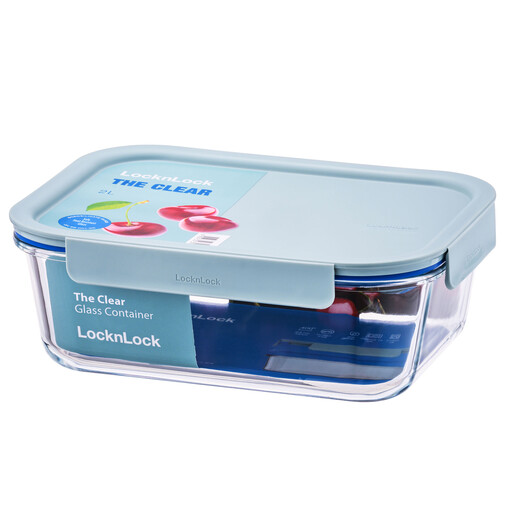
Why This Fits Their Persona: Ideal for single servings, office lunches, or small leftovers. This container is designed for maximum versatility: from freezing and reheating in the microwave or oven to serving at the table.
The container is made of heat-resistant borosilicate glass, which minimises the risk of thermal shock. The product description explicitly states to remove the plastic lid before oven use, thus preventing material damage.
High temperature resistance for oven and microwave use. The proven four-sided locking system with a silicone seal ensures an airtight and liquid-tight closure.
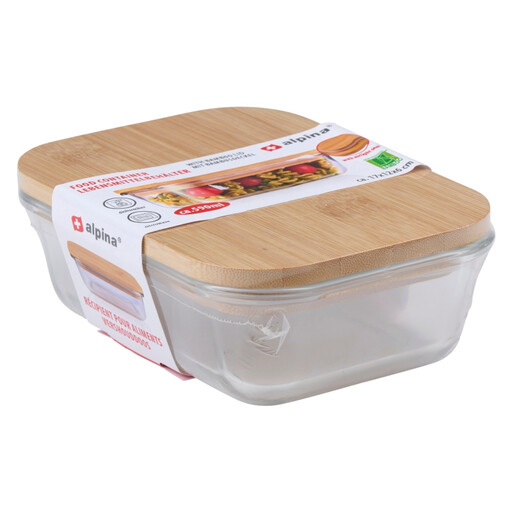
Why This Fits Their Persona: Perfect for anyone who values a natural and uniform look in their kitchen. Ideal for storing dry goods like nuts, seeds, or pasta on open shelves or in the pantry.
This product highlights the pitfall of the lid: The bamboo lid is not suitable for the oven, microwave, or dishwasher. It's a conscious choice for aesthetics in storage, not for high-temperature cooking.
Appealing aesthetics from the combination of glass and bamboo. The silicone seal ensures airtight storage for dry foods, keeping them fresh for longer.
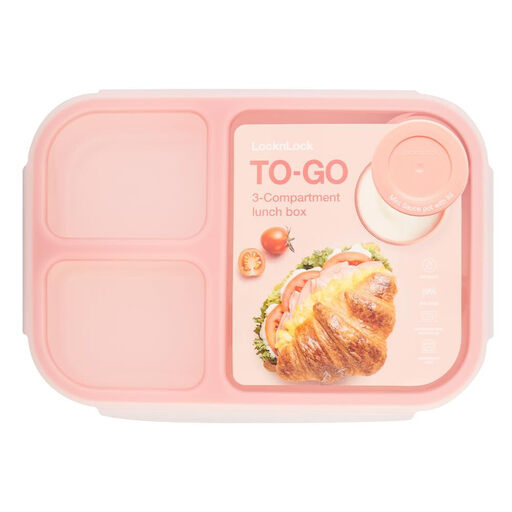
Why This Fits Their Persona: For users whose priority is transporting meals with separate components. The light weight and compartmentalised design are more important here than oven-safe properties.
This product is a deliberate departure from the "glass" focus. It demonstrates that for the specific use case of a "lunch box," a lightweight plastic container with dividers can be more practical than a heavy glass one.
Lightweight, BPA-free PP material. Two compartments for separating food. The leak-proof twist-lock lid is optimised for transporting meals.
We have compiled a complete, up-to-date list of products that fully meet these strict selection criteria and relevant safety regulations.
1. Can you put an oven-safe glass food container directly from the freezer into the oven? No, this is generally not recommended. Even borosilicate glass can be damaged by an extreme temperature jump from below 0°C to over 200°C (thermal shock). It is safer to let the container sit at room temperature for a while or to thaw it in the refrigerator before placing it in a preheated oven. Always follow the manufacturer's specific instructions.
2. How do you properly clean the seals in the lid to prevent mould? On many high-quality containers, the silicone seal can be removed from the lid. This should be done regularly. Clean the seal and the groove in the lid by hand with warm water and dish soap, or in the dishwasher. It is crucial that the seal and lid are completely dry before you reassemble them to prevent trapped moisture.
3. Are glass containers with lids truly completely leak-proof for soups? The leak-proof performance depends directly on the locking system. Simple press-on lids offer no protection. However, models with a robust snap-lock system on all four sides and an intact silicone seal are very reliable and suitable for transporting liquids like soups or stews. Always check that the lid is securely fastened before transport.