
Lieferung heute & morgen

Qualitätsgarantie

Willkommens-Angebote freischalten: KOSTENLOSE Lieferung | Bis zu 80 % RABATT | Kostenlose 30-Tage-JoyPlus-Testphase
App herunterladen
Whether for your home, a café or a hotel bar, glass glasses vary considerably in capacity, material, shape and care requirements. A transparent appearance alone says little about whether a drinking glass is suitable for hot drinks, the dishwasher or everyday use.
That is why it is worth checking the technical specifications before buying. This helps you avoid common purchasing mistakes and choose glasses that match the drink and intended use.
A large glass may seem versatile, but it is not practical for every application. Espresso usually requires 8 to 10 cl, while coffee glasses for lattes or larger hot drinks often hold 280 to 450 ml. Wine glasses with a capacity of 360 to 410 ml provide more room for red wine, but may be oversized for smaller servings.
When buying glass sets, you should also check whether the stated capacity refers to the volume up to the rim or the recommended filling level. For everyday use, precise measurements in millilitres or centilitres are more reliable than general descriptions such as ‘large’ or ‘compact’.
Not every glass is suitable for hot liquids. Depending on its construction, borosilicate glass may offer greater resistance to temperature changes than conventional soda-lime glass. However, this does not mean that every product made from this material can be heated without restriction.
With double-walled glasses in particular, follow the manufacturer’s instructions regarding microwaves, ovens, dishwashers and temperature changes. A standard wine glass or whisky glass is generally not heat-resistant glassware. Boiling water can cause stress and breakage in unsuitable models.
Metallic coatings, thin stems and decorative finishes may be more delicate than simply shaped transparent glasses. Coated wine glasses often require hand washing with a mild detergent. Even glasses marked as dishwasher-safe should not automatically be cleaned on the hottest programme.
Before each use, it is advisable to check briefly for cracks, chips or scratches. Damaged drinking glasses should not be used further.
Check whether the product is made from soda-lime glass, borosilicate glass, crystal glass or another material. For wine, water, cocktails and spirits, ordinary glass is often sufficient. For coffee, tea or changing temperatures, specific information about heat resistance is more important than the material designation alone.
With double-walled glasses, an insulating layer of air forms between the glass walls. This can make the outside more comfortable to hold when serving hot drinks and reduce condensation with cold drinks. Nevertheless, these glasses remain breakable and should not be knocked against hard surfaces.
For catering businesses, carton quantity, stackability, weight and re-order availability are also important. In the home, storage space and the number of matching glasses in the set tend to play a bigger role.
Check the information on dishwasher suitability, microwave and oven use. A glass may be dishwasher-safe but not suitable for microwave or oven use. With stemmed models, take particular care with the delicate connection between the bowl and stem.
Products intended for contact with food should be labelled accordingly. According to the product information provided, some models meet the requirements of EU Regulation (EC) No 1935/2004. The information on the relevant product page is always decisive.
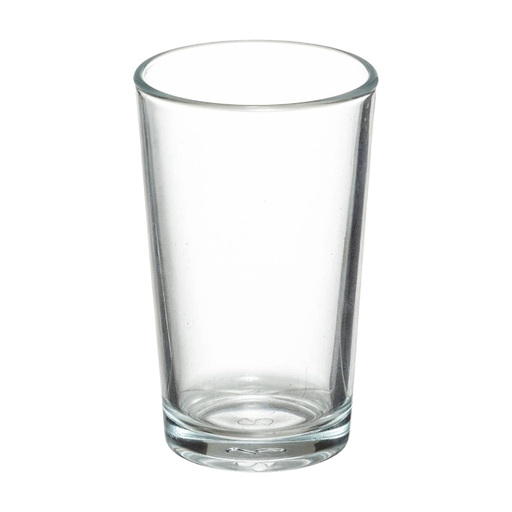
Why this product suits the profile: With a capacity of 10 cl, this transparent glass is suitable for espresso, aperitifs, spirits or small side dishes. Its compact dimensions make storage and handling easier.
The capacity and dimensions are clearly specified. This lets you check before buying whether the glass is suitable for small portions and the storage space available.
10 cl capacity; transparent glass; suitable for professional environments according to the product description.
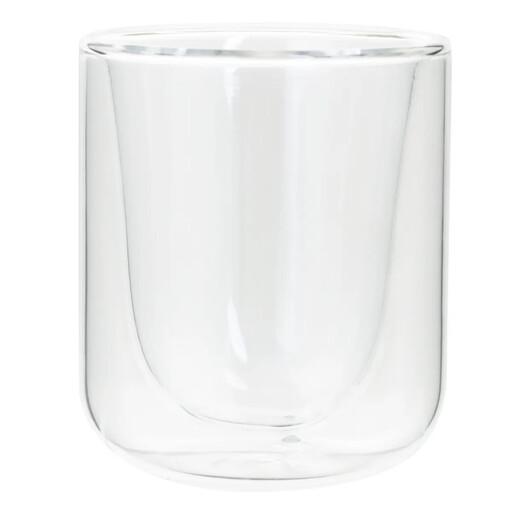
Why this product suits the profile: This double-walled espresso cup made from borosilicate glass combines an 8 cl capacity with a clear presentation of coffee and crema.
The specifications state the material, capacity and suitability for microwave and dishwasher use. Extreme temperature changes and use in the oven are excluded.
Double-walled borosilicate glass; 8 cl capacity; dishwasher- and microwave-safe according to the product information.
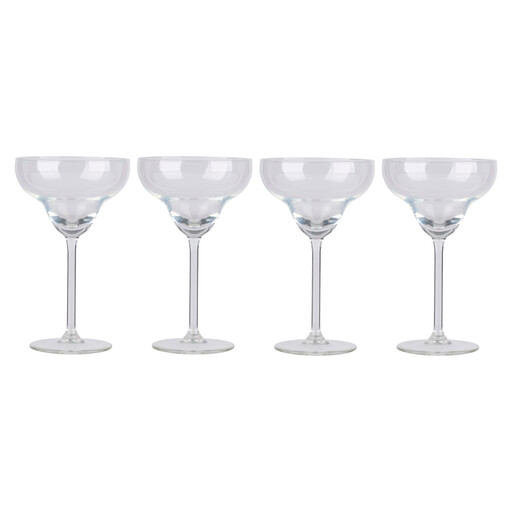
Why this product suits the profile: This set of four 250 ml glasses is designed for margaritas and other cocktails, making it ideal for hosts, home bars and smaller events.
The quantity and individual capacity are clearly stated. This reduces the risk of ordering too few glasses for guests or glasses that are an unsuitable size for cocktails.
Four transparent cocktail glasses; 250 ml each; designed for margaritas and creative mixed drinks.
We have put together a complete, regularly updated list of products that fully meet these strict selection criteria and the safety regulations applicable in the EU.
The lifespan of glass tumblers, wine glasses and coffee glasses depends primarily on knocks, temperature changes and cleaning. To keep them in use for as long as possible, the following steps are recommended:
For espresso, coffee or tea, choose a model specifically designed for that purpose. Depending on the manufacturer’s specifications, double-walled borosilicate glassware may be suitable for hot drinks. A standard wine glass, cocktail glass or whisky glass, on the other hand, is not automatically heat-resistant.
This depends on the individual product. According to the product information, some double-walled glasses are dishwasher-safe, while others should be washed by hand. Even when dishwasher suitability is stated, a gentle programme without major temperature changes is recommended.
For everyday use, four to six drinking glasses are a practical starting set. Depending on your preferences, you can add wine glasses, coffee glasses, glass espresso cups or whisky glasses. If you regularly entertain guests, consider the set size, available storage space and re-order availability together.