
Lieferung heute & morgen

Qualitätsgarantie

Willkommens-Angebote freischalten: KOSTENLOSE Lieferung | Bis zu 80 % RABATT | Kostenlose 30-Tage-JoyPlus-Testphase
App herunterladen
Glass containers for the kitchen may seem straightforward at first glance: transparent, easy to clean and suitable for storing food, drinks or ingredients. In practice, however, unsuitable lids, the wrong sizes and unclear care instructions often lead to disappointing purchases. If you want to choose kitchen storage carefully, you should look beyond shape and design.
The term airtight is only meaningful when the lid has been specifically designed for this purpose and includes a suitable seal. A loose-fitting wooden or plastic lid may protect the contents from dust, but it does not automatically provide an airtight closure. For coffee, tea, nuts or dry baking ingredients, information about the seal, closure type and permitted use is essential.
Not every storage jar is suitable for hot food, the microwave, oven or freezer. Conventional glass can crack when exposed to rapid temperature changes. Borosilicate glass is designed for certain thermal applications, but the manufacturer’s instructions still apply. For glass containers with lids, you should also check whether the lid needs to be removed or opened before heating.
A decorative jar may be sufficient for small quantities but impractical for storing larger supplies. Conversely, oversized jars take up unnecessary space. Before buying, make sure the contents, footprint and height work with your kitchen shelf. The opening is also important: a narrow storage jar is harder to fill and clean than a model with a wide opening.
For a glass food container, the product description should clearly state whether the material is suitable for the intended contact with food. Cold drinks, dry ingredients and jam have different requirements from meal prep or reheating food.
The LocknLock borosilicate glass container is described as suitable for use in the oven, microwave, freezer and dishwasher. The lid must be removed when using it in the oven. When heating it in the microwave, the steam valve should be opened. Specific instructions like these are more helpful than general marketing claims.
A glass food container with a lid should have a closure suited to its intended use. Silicone seals can improve the fit; a lid explicitly described as airtight is more suitable for dry foods such as coffee, tea or biscuits than a simple cover lid.
Care requirements should also be considered when choosing a storage jar with a wooden lid. The Hermet Square Glass and Acacia Jar has an acacia wood lid and a silicone closure. According to the product information, it is suitable for food contact but is not dishwasher-safe. This means it should be washed by hand and dried thoroughly before being closed.
Compare the capacity, height, diameter and weight. For example, six jam jars with a capacity of 0.5 litres each are suitable for homemade preserves, chutney or small portions of stored food. The same set is less suitable if you only need individual portions.
Cleaning also affects how practical a container is for everyday use. Dishwasher-safe glass reduces the care required. Decorative lids, wooden components and seals often have different care instructions. You should therefore check whether the glass and lid need to be cleaned separately.
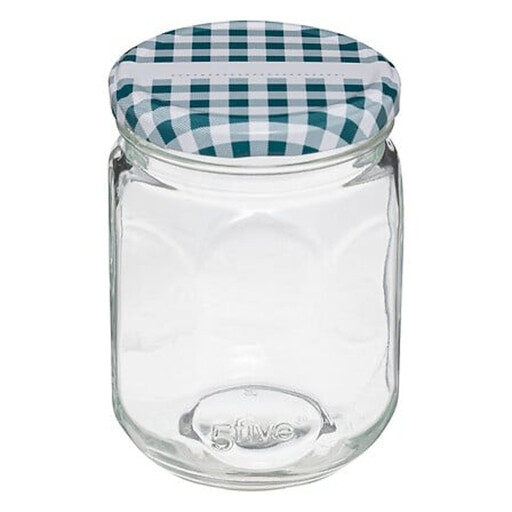
Why this product suits this profile: The set contains six transparent jars, each with a capacity of 0.5 litres. They are suitable for preserves, chutney, pickled foods or individual portions of stored ingredients.
The defined individual capacity and number of jars make planning easier. Before preserving food, you should still check which closure is included and whether the jars are suitable for the type of preserving you intend to do.
Six matching jars, transparent glass and a capacity of 0.5 litres per jar make it easy to organise your stored supplies.
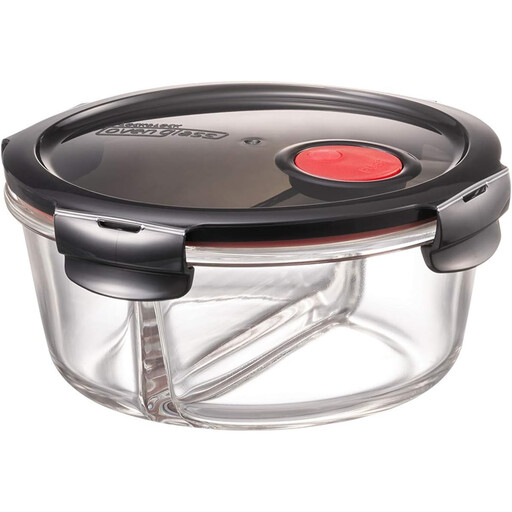
Why this product suits this profile: The round borosilicate glass container has a lid with a divided section and steam vent. According to the product information, it is suitable for use in the oven, microwave, freezer and dishwasher.
The usage instructions set out clear limits: remove the lid before baking, open the steam vent when heating in the microwave and avoid sudden temperature changes.
900 ml capacity, integrated divider, steam valve and several stated usage options.
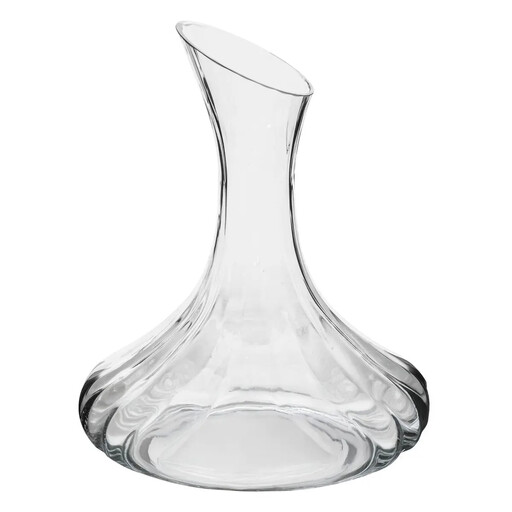
Why this product suits this profile: This glass bottle or carafe is designed for cold drinks. With a capacity of 2 litres, it is suitable for serving water, juice or iced tea with meals and at gatherings.
The product description limits its use to cold drinks. It also warns against sudden temperature changes, helping to prevent incorrect use as a container for hot drinks.
2-litre capacity, ergonomic handle, shaped pouring spout and stated dishwasher suitability.
We have put together a complete, regularly updated list of products that fully meet these strict selection criteria and the safety regulations applicable in the EU.
This depends on the individual model. You should only use a container in the microwave if the product information specifically confirms that it is suitable. If the lid has a steam valve, it must be opened; other lids must be removed completely.
Their lifespan depends on the glass thickness, how they are used and cleaned, and how they are handled. Glass itself can remain usable for a long time if treated carefully. Impacts, scratches, cracks and sudden temperature changes can affect safety. Lid seals are wear parts and should be replaced if they show visible deformation.
There is no universal answer. Glass is transparent, typically absorbs fewer odours and, depending on the model, can be used in the dishwasher, freezer, microwave or oven. Plastic, on the other hand, can be lighter and more resistant to breakage. The decisive factors are the material, lid, intended use and the product’s specific care instructions.