
Lieferung heute & morgen

Qualitätsgarantie

Willkommens-Angebote freischalten: KOSTENLOSE Lieferung | Bis zu 80 % RABATT | Kostenlose 30-Tage-JoyPlus-Testphase
App herunterladen
Anyone looking to prepare authentic Asian dishes often faces a key question: which glass noodles are the right ones? The selection on the shelf can be overwhelming, with noodles differing in raw material, thickness, and texture. Whether you're making a Korean Japchae, a Chinese hot pot, or a light glass noodle salad, choosing the right product is crucial for the perfect dish.
This guide will help you understand the differences and find the ideal glass noodles for your culinary project. We'll introduce various types based on their characteristics and best uses.
To buy the right glass noodles, three criteria are especially important: the raw material, the noodle shape, and the intended use.
Not all glass noodles are created equal. The base ingredient has a major impact on the final consistency.
Besides the raw material, the shape of the noodles is also crucial. Thin, thread-like mung bean noodles cook very quickly and mix well with light dressings in salads. Wider, flatter noodles made from sweet potato or potato starch offer more bite and substance, making them ideal for stir-fries and stews where they need to hold their own.
For people with gluten intolerance (celiac disease) or those on a low-gluten diet, most glass noodles are an excellent choice. Since they are made from pure starch and water, they are naturally gluten-free noodles. However, a quick glance at the ingredients list on the package is always recommended for final confirmation.
Here is a selection of glass noodles suitable for various dishes in Asian cuisine.
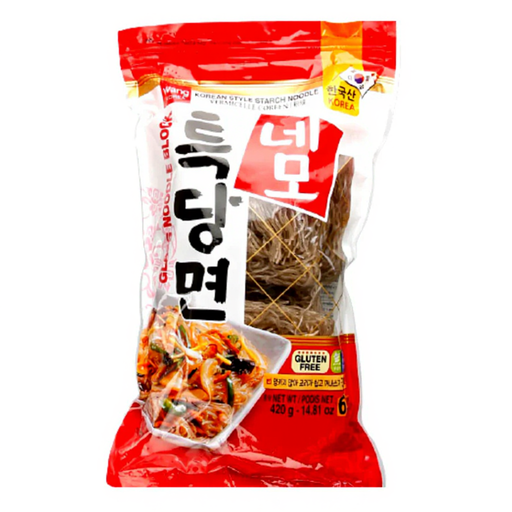
Why They Stand Out: These noodles are the classic choice for the Korean national dish, Japchae. Made from 100% potato starch, they deliver the authentic, chewy, and slightly springy texture that is characteristic of this stir-fry.

Why They Stand Out: These sweet potato noodles are an all-rounder for Chinese cuisine. Their smooth, elastic, and firm texture makes them the ideal addition to hot pot, as they retain their shape and bite even in hot broth.
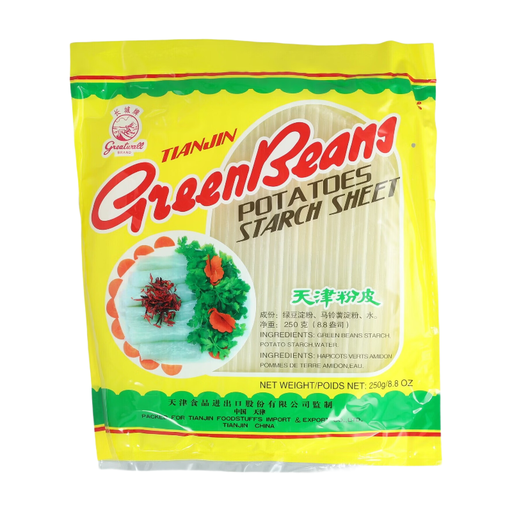
Why They Stand Out: These fine mung bean noodles are made according to the traditional Longkou production standard and are known for their smooth, translucent threads. They are the classic choice for light Asian noodles in salads and soups.
Didn't find the variety you were looking for, or just want to browse more? Discover our entire selection of starch noodles and find the perfect product for your next dish.
Yes, in most cases, glass noodles are naturally gluten-free as they are made from starch (e.g., from mung beans, sweet potatoes, potatoes, or peas) and water. For complete certainty, however, it's always best to check the ingredients list on the packaging to rule out any potential cross-contamination or unusual additives.
The preparation method varies depending on the thickness and raw material. Thin mung bean noodles are often just soaked for a few minutes in hot (not boiling) water until soft. Thicker sweet potato noodles require boiling for about 6–10 minutes. A crucial step to prevent sticking is to drain and immediately rinse the noodles with cold water. This stops the cooking process and washes away excess starch.
The fundamental difference is the raw material. Glass noodles are made from various types of plant starch and become transparent and elastic after cooking. Rice noodles are made from rice flour and water, remain white (opaque) after cooking, and have a softer, less chewy texture.