Collectors who want to capture every detail
If you want to bring out tiny inclusions or signatures, check the magnification of the specific lens and make sure it fits your camera mount.


To make tiny inclusions appear large in your images, choose a mirrorless camera with a macro lens whose magnification and working distance suit your subject. For wider views or fewer lens changes, a close-focusing compact camera may be enough. With glass, your setup determines which reflections are visible: first adjust your viewing angle and lighting, then consider using a tripod and focus stacking if you need greater depth of field.
If you want to bring out tiny inclusions or signatures, check the magnification of the specific lens and make sure it fits your camera mount.
When shooting by a window, your viewing angle, reflected surroundings and lighting all matter. A different camera body feature alone won’t solve this creative challenge.
If you mainly want to photograph the whole paperweight, consider a standard zoom lens or a camera with a built-in lens.
First decide whether you want to focus on tiny details or the whole paperweight. Then consider how you’ll manage reflections and achieve the depth of field you want.
| Priority | What to check before buying | Who it matters most to |
|---|---|---|
| Magnify tiny details | Check the maximum magnification of the specific lens, as well as its mount and working distance. | If you want to make tiny inclusions appear large, magnification matters more than a short minimum focus distance alone. Around 36% of consumers prioritise magnifying details. |
| Control reflections | First adjust the camera angle and its position relative to the window. Before buying a filter, check which filter fitting you need. | If the window, room or camera is visible in the glass, you’ll want to assess and control the reflections. Around 29% of consumers prioritise reflection control. |
| Greater depth of field | Check whether the specific camera model offers focus bracketing, and distinguish between capturing a focus series and combining the shots. | If you want the front and back of your subject to appear sharp, you may need to plan for several shots and combine them. Around 21% of consumers prioritise keeping the whole subject in focus. |
| A simple setup | Check whether you’re buying a camera with a fixed lens, a camera body or a kit, and confirm what’s included and which lenses you’ll need. | If you mainly take wider shots and want to avoid changing lenses, a simple setup may matter more than having a system you can expand. Around 14% of consumers make this their main priority. |
Minimum focus distance alone doesn’t tell you how large a detail will appear on the sensor. Canon states that the RF-S 18–45 mm offers up to 0.25x magnification when manually focused at close range.
Check the maximum magnification of the specific lens. A standard zoom may be enough for wider shots; for tiny inclusions, consider how much you need to magnify the details.
Reflections also depend on your viewing angle and the surroundings reflected in the glass. A polarising filter can reduce them, but Canon says it also reduces the amount of light available.
First adjust the camera angle and lighting. Then consider whether a filter would help, and check that it’s compatible and be aware of the potential loss of light.
A kit zoom and a separately sold macro lens offer different magnification. A macro lens made for a camera system isn’t automatically included with the camera body or standard zoom kit.
Before buying, check the lens mount and exactly what’s included. Also make sure the supplied lens will be suitable for the detail shots you have in mind.
The EOS R50 system uses the RF mount. A standard zoom and a separate macro lens cater for different close-up needs.
The Z50II is part of the Z system. The NIKKOR Z MC 50mm f/2.8 is a separately sold macro lens.
The Tough TG-7 is a compact camera with a built-in lens, making it a good option if you want to avoid changing lenses.
An E-mount system may be worth considering if you already own a compatible Sony camera body.
The Joybuy products below are compact or pocket cameras with photo capabilities. Before buying one for photographing glass paperweights, check that its close-focusing ability, magnification and working distance are suitable for your subject.
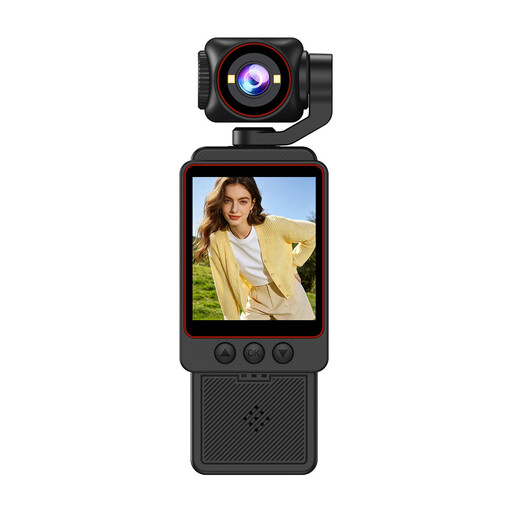 No image available
The product description mentions still photography alongside its intended POV and vlogging use. Check the camera’s focusing capabilities before using it for close-ups.
The product name mentions a rotating lens, plus audio and video recording.
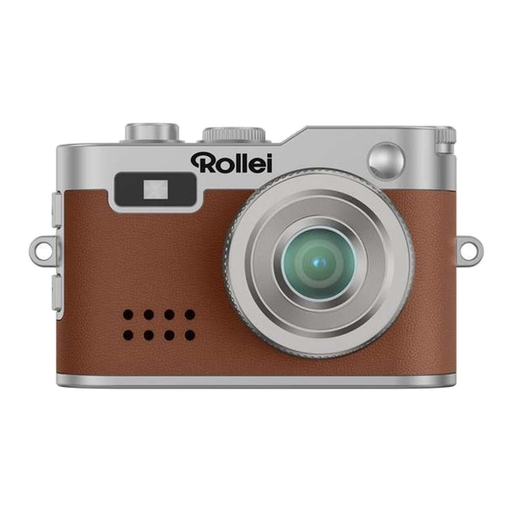 No image available
This camera is described as a compact digital camera with photo capabilities. Check how close it can focus before using it to capture small details in glass.
The description lists 2 MP photos, LED light, five colour filters and a weight of 18 g.
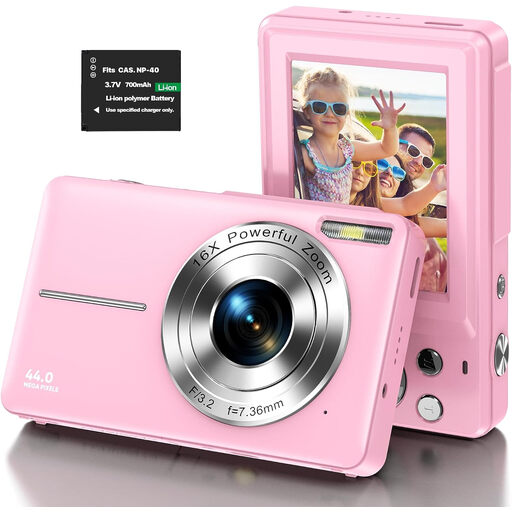 No image available
The product title describes a camera for taking photos and videos. The zoom specification alone doesn’t tell you whether it’s suitable for close-up details.
The title lists 4K, 64MP and 16X zoom. Also check the focus distance for your subject.
 No image available
This mini digital camera is not ideal for close-up photography, as its stated minimum focus distance is 1.5 m.
The description lists a 1 MP sensor and interpolated 2 MP photos.
Not necessarily. Compare the maximum magnification of the specific lens. Minimum focus distance is measured from the sensor, while working distance is measured from the front of the lens. A standard zoom and a 1:1 macro lens cater for different levels of detail.
First adjust the angle between the camera, glass and window, and watch how the reflections change. A rotating circular polarising filter can reduce reflections in glass, but Canon says it also reduces the amount of light. A stable camera position can help with longer exposures.
No. Focus bracketing captures images at different focus points; combining them is what extends the area in focus. Check whether your camera model only captures a focus series or can also combine the images in-camera.
The Verbraucherzentrale says consumers generally have a 14-day right to cancel online purchases, although exceptions and the terms of the specific contract should be taken into account. Your statutory rights for faulty goods are against the seller and are separate from any voluntary guarantee.
Electrical and electronic waste should be taken to an authorised collection point, such as a local council recycling centre. Germany’s Federal Ministry for the Environment says retailers covered by the take-back obligation must accept items without a new purchase if each external dimension is no more than 25 cm. The take-back obligation is subject to the applicable legal requirements.