
Lieferung heute & morgen

Qualitätsgarantie

Willkommens-Angebote freischalten: KOSTENLOSE Lieferung | Bis zu 80 % RABATT | Kostenlose 30-Tage-JoyPlus-Testphase
App herunterladen
A glass set may seem straightforward at first glance. In practice, drinking glasses can vary considerably in capacity, material, care requirements and intended use. If you choose based solely on shape or price, you may end up with glasses that are too small for their intended purpose, cannot go in the dishwasher or are sensitive to sudden temperature changes.
This guide explains what households, hosts, cafés, bars and hotels should look for when buying. The focus is on clear, useful product data rather than vague marketing claims.
A glass with a capacity of 400 ml will not automatically be filled with 400 ml of drink. Wine needs space for swirling, cocktails require ice, and long drinks also include a mixer. For everyday use, the shape and height of a glass are therefore just as important as the stated millilitre capacity.
A set of drinking glasses holding around 250 to 350 ml is often suitable for water, juice and smaller mixed drinks. For long drinks, 310 ml or more may be useful. Small glasses holding around 6 to 10 cl, on the other hand, are more suitable for aperitifs, spirits, espresso or side dishes.
Double-walled glasses and thermal glasses have an insulating gap between the walls. This can make the outside more comfortable to hold when serving hot or cold drinks and reduce condensation. Even so, the manufacturer’s instructions on heat resistance, dishwasher use and microwave suitability must be followed.
With conventional soda-lime glass, there is a risk of thermal shock. According to the product information, the Secret de Gourmet Lina wine glass is dishwasher-safe but is not designed as a heat-resistant glass. Boiling water and sudden temperature changes should therefore be avoided.
Gold- or brass-coloured elements give a set a distinctive look, but they may be more sensitive to scouring agents and intensive dishwasher programmes. Hand washing with a mild detergent is recommended for the MyGift set. If you wash many glasses every day, you should factor this additional care requirement into your purchasing decision.
When choosing glass drinking glasses, the material, intended use and care instructions should be considered together. Soda-lime glass is suitable for many cold drinks and normal table use. Borosilicate glass is often used for double-walled thermal glasses and is designed to withstand temperature changes, provided this is confirmed by the manufacturer.
Products intended for contact with food should comply with the applicable EU requirements. This does not mean, however, that every glass is suitable for use in a microwave, oven or with boiling liquids. Cracks, chips and deep scratches are clear reasons to stop using a glass.
‘Dishwasher-safe’ describes general suitability, not necessarily an unlimited service life. Gentle programmes, sufficient space between the glasses and other crockery, and avoiding aggressive cleaning products can help protect the surface. For coated glasses, hand washing is often the more sensible option.
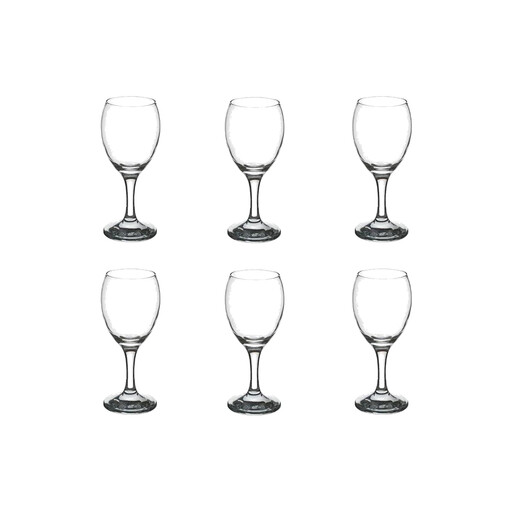
Why this product suits this profile: This individual wine glass, with a capacity of around 20 cl, is suitable for smaller households, replacement purchases or a deliberately coordinated table setting.
The capacity is clearly stated. The product information also specifies whether it is suitable for the dishwasher and microwave; however, the instructions on thermal shock should still be observed.
Transparent soda-lime glass, a capacity of 198 ml, and stated suitability for both the dishwasher and microwave.
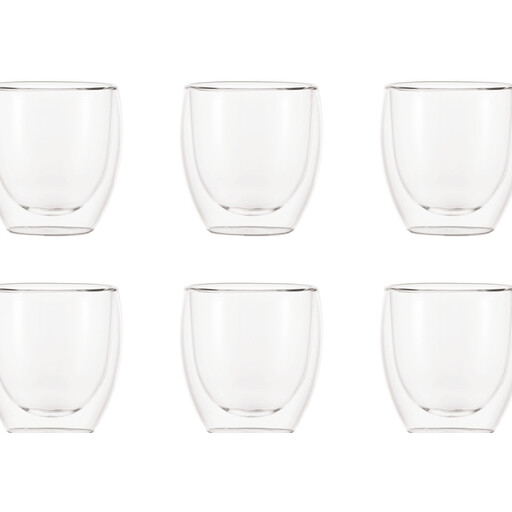
Why this product suits this profile: Six double-walled glasses provide a coordinated solution for coffee, tea and cold drinks at home or when entertaining guests.
The double-walled construction is clearly specified. Buyers should nevertheless check the detailed care and temperature instructions before use.
Pack of six with a 250 ml capacity; designed as double-walled thermal glasses for a versatile selection of drinks.
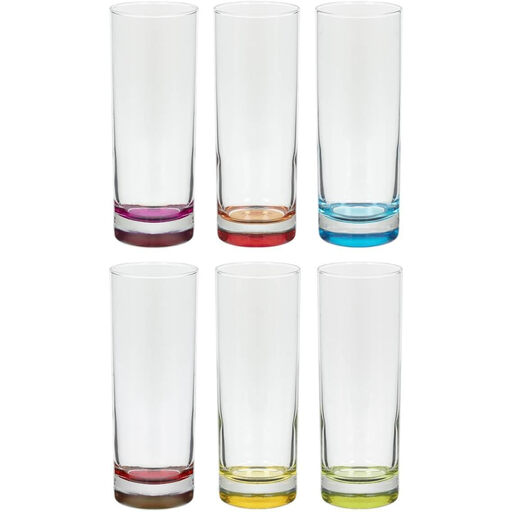
Why this product suits this profile: This six-piece set is aimed at households and hosts who regularly serve soft drinks, cocktails and long drinks.
The six identical glasses prevent an inconsistent table setting. With a capacity of 310 ml, they sit between small drinking glasses and large tumblers.
Six glass tumblers, each holding around 310 ml, stated to be dishwasher-safe and intended for cold drinks.
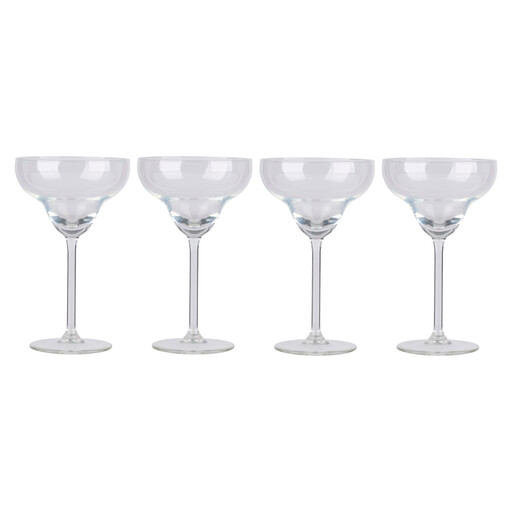
Why this product suits this profile: The distinctive stemmed shape is designed for Margaritas and similar cocktails, making it a useful addition to a private home bar or occasional celebrations.
The set of four is designed for a specific type of cocktail. This avoids repurposing a general glass set for a specialised serving purpose.
Four transparent cocktail glasses, each with a capacity of 250 ml and a clearly defined intended use.
We have put together a complete, regularly updated list of products that fully meet these strict selection criteria and the safety regulations applicable in the EU.
For a long service life, glasses should not be stacked inside one another unless the manufacturer expressly allows this. Narrow stems, coatings and thin rims require particular care. Before each use, it is advisable to carry out a quick visual check for cracks or chips.
For double-walled glasses, the relevant instruction manual is the deciding factor. Not every model is suitable for use in a microwave or oven. Even dishwasher-safe glasses should be loaded carefully wherever possible so that they do not knock against one another.
For two people, two to four glasses per type of drink are often enough. If you regularly entertain guests, a set of six glasses can make planning more efficient. For a home bar, separate sets for wine, long drinks and cocktails are sensible, as the different shapes serve different purposes.
Double-walled thermal glasses made from suitably specified borosilicate glass are an obvious choice for this purpose. However, the manufacturer’s specific instructions on temperature range, microwave use and dishwasher suitability are crucial. Standard wine glasses made from soda-lime glass should not be filled with boiling liquids.
Gentle dishwasher programmes, mild cleaning products and safe storage help reduce wear. Coated glasses should often be cleaned by hand. Damaged glasses should no longer be used, as they may develop sharp edges.