
Lieferung heute & morgen

Qualitätsgarantie

Willkommens-Angebote freischalten: KOSTENLOSE Lieferung | Bis zu 80 % RABATT | Kostenlose 30-Tage-JoyPlus-Testphase
App herunterladen
A glass set should be practical for everyday use, look coordinated when you have guests and be easy to clean. In practice, unclear material descriptions, unsuitable sizes and misunderstood care instructions can quickly lead to the wrong purchase. So when choosing wine glasses, drinking glasses or coffee glasses, look beyond shape and price.
Shatter-resistant glasses are often made from plastic such as polypropylene. This reduces the risk of sharp glass fragments, but changes how the glasses feel and their weight and scratch resistance. They can be a good choice for balconies, gardens, family gatherings or around the pool. For a traditional table setting, however, many shoppers prefer real glass.
Ordinary glass can still break, even when described as robust or suitable for everyday use. Knocks against hard edges, hard surfaces and sudden temperature changes can cause cracks.
The label dishwasher-safe glasses describes the recommended cleaning method, not resistance to every dishwasher programme. High temperatures, harsh detergents and an unstable position can cause clouding, scratches or damage over time. Place glasses in the dishwasher so they don’t knock against each other.
For double-walled glasses, coloured finishes or metal handles, it’s especially important to check the manufacturer’s instructions. If the guidance isn’t clear, hand-washing is the safer option.
A measurement such as 20 cl or 36 cl usually refers to the maximum capacity. Wine glasses aren’t filled to the brim. A wine glass set with a capacity of 20 to 21 cl is therefore better suited to smaller pours, while 36 cl gives you more room for fuller-bodied wines or swirling.
For drinking glasses, cocktail glasses and whisky glasses, shape matters too. A low tumbler sits securely, while a stemmed glass requires different handling and storage.
Soda-lime glass is widely used for drinking and wine glasses. It’s clear and suitable for cold drinks, but isn’t automatically heat-resistant. The product details for the Viticole, Orpéa and Paola glasses specifically warn about the risk of thermal shock. Don’t pour boiling water directly into them.
Borosilicate glass is often used for double-walled glasses and glass espresso cups. It’s more resistant to temperature changes than standard glass, but should still not be exposed to sudden extremes. One example is the double-walled Bialetti Firenze glasses, with a capacity of 200 ml.
PP plastic glasses are lighter and described as shatter-resistant in the product details. Even so, check before buying whether the set is suitable for hot drinks or intended for cold drinks only.
Sets of two glasses may be enough for a two-person household. If you regularly have guests, a set of four to twelve matching glasses gives you more flexibility. Consider storage, too: stemmed glasses take up more room and shouldn’t be stacked inside each other. Low drinking glasses are usually easier to store compactly.
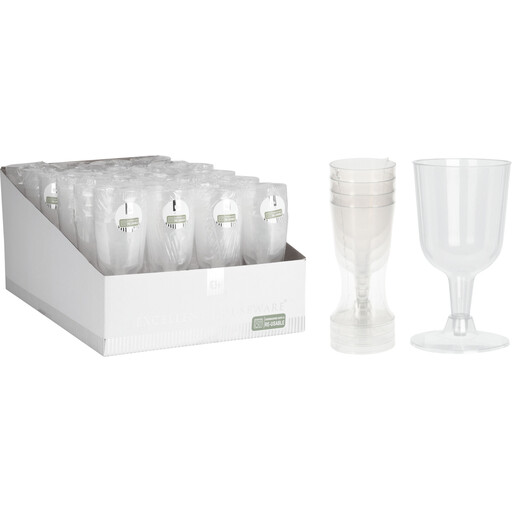
Why this product suits you: This set of four transparent PP glasses offers a capacity of 160 ml per glass. It’s a practical choice for everyday use, family gatherings or outdoor occasions.
The material is explicitly described as shatter-resistant, making these glasses suitable for situations where ordinary glass could easily be dropped.
Four glasses, a capacity of 160 ml each, lightweight PP material and, according to the product details, dishwasher-safe.
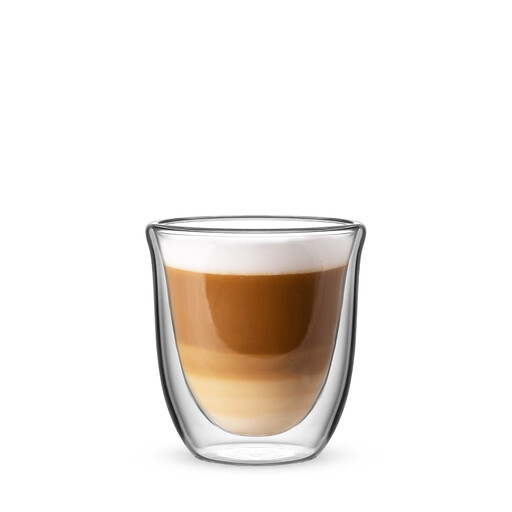
Why this product suits you: This set includes two double-walled borosilicate glasses, each with a capacity of 200 ml. They’re suitable for coffee, cappuccino, tea and other hot drinks.
The product details specify the material and capacity, as well as whether the glasses are suitable for the microwave and dishwasher. This makes it easier to check the key points before buying.
Double-walled design, borosilicate glass, a capacity of 200 ml and two glasses in the set.
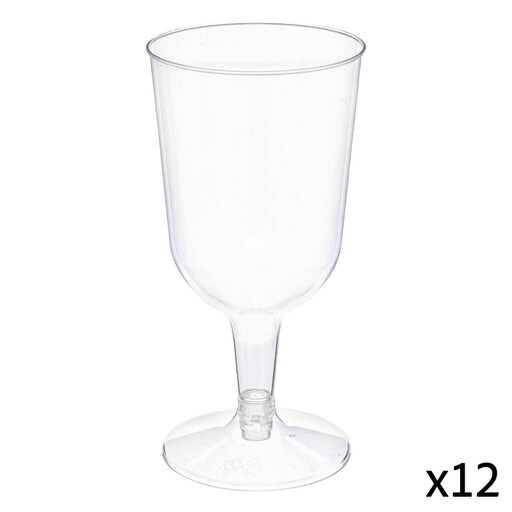
Why this product suits you: With twelve transparent glasses, each holding 150 ml, this set is ideal for hosts, parties, larger households and regular servings of wine, cocktails or alcohol-free drinks.
The set size and capacity are clearly stated, so you don’t need to combine several individual glasses or guess how much they hold.
Twelve glasses, 150 ml per glass, clear glass and, according to the product details, dishwasher-safe.
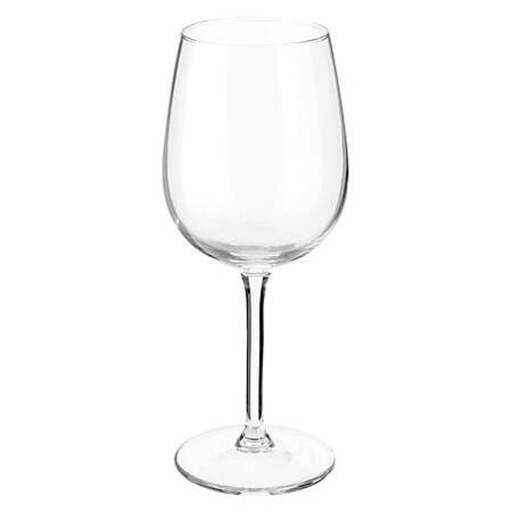
Why this product suits you: With a capacity of 36 cl, this stemmed glass gives red, white or rosé wine plenty of room. It works just as well for formal dining as for more relaxed occasions.
The manufacturer clearly states the maximum capacity, dishwasher suitability and microwave restriction. This makes it easier to choose based on how you’ll use and care for the glass.
36 cl capacity, clear soda-lime glass, stemmed design and, according to the product details, dishwasher-safe.
We’ve put together a complete, regularly updated list of products that meet these strict selection criteria and fully comply with the safety regulations in force in the EU.
For one or two people, two to four glasses per drink category are often enough. If you regularly entertain guests, you could choose a set of six or twelve. For wine and cocktail glasses, also bear in mind that stemmed styles and bowl-shaped glasses take up more storage space.
Borosilicate glasses and double-walled glasses specifically described as heat-resistant are suitable options for coffee, tea or cappuccino. Always check the temperature and microwave guidance. Standard soda-lime glass isn’t automatically suitable for boiling liquids.
How long your glasses last depends on the material, care, storage and frequency of use. Knocks, harsh detergents and thermal shock can shorten their lifespan. Regular visual checks and gentle cleaning help you spot damage early.