
Lieferung heute & morgen

Qualitätsgarantie

Willkommens-Angebote freischalten: KOSTENLOSE Lieferung | Bis zu 80 % RABATT | Kostenlose 30-Tage-JoyPlus-Testphase
App herunterladen
A glass set might seem straightforward at first glance. In practice, drinking glasses, wine glasses, espresso glasses and cocktail glasses differ significantly in capacity, material, care requirements and intended use. If you choose purely on design, you could end up with glasses that are too small, too delicate or not suitable for the temperature of your drink.
Typical buying mistakes come down to three points:
The volume should match the intended drink and serving size:
The maximum fill level isn't always the practical serving amount. With wine, the glass is usually only partially filled, whereas iced coffee or lemonade needs extra room for ice.
Clear glass shows colour, layering and crema beautifully and suits many table settings. For everyday use, it's also important to check whether a product is described as dishwasher-safe.
Double-walled glasses have an insulating layer of air between the glass walls. This means the outside stays more comfortable to hold with hot or cold drinks. The specific product description and safety instructions remain key: not every double-walled glass is automatically suitable for the microwave, oven or boiling liquids.
With standard drinking and wine glasses, you should avoid sudden temperature changes. Soda-lime glass in particular is not classed as heat-resistant. A shift from very cold to very hot can cause stress and breakage.
For a private household, a small glass set with two to six pieces may be enough. For families, frequent guests or commercial use, larger quantities make more sense. Restaurants, cafés, bars and hotels should also consider consistent shapes, reorder availability and the intended professional use.
Before buying, it's worth checking the following points:
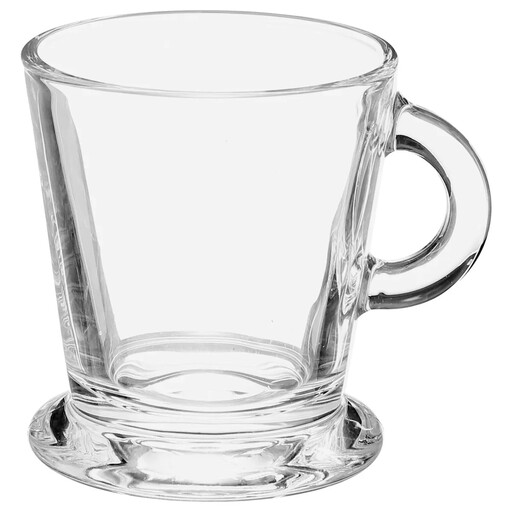
Why this product fits the profile: The 80 ml capacity is designed for espresso and small coffee specialities. The box supports tidy storage and also works well as a gift.
The clearly stated 8 cl size prevents you from buying an oversized drinking glass for espresso. For hot drinks, please follow the stated safety warnings.
80 ml capacity, clear glass and box packaging; designed for everyday use.
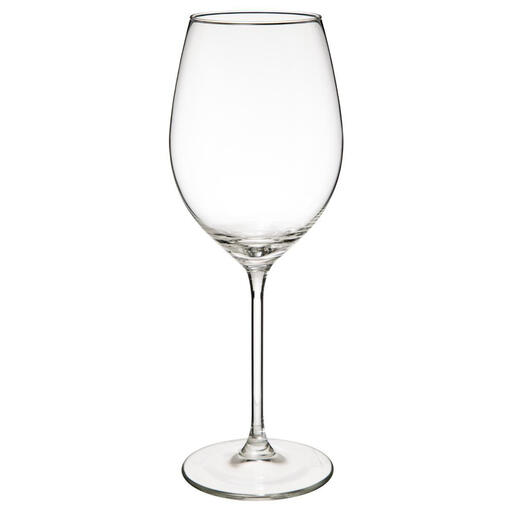
Why this product fits the profile: The 41 cl wine glass has a tall, slender shape and a generous bowl. It is designed for red, white and rosé wine and is described as dishwasher-safe.
The precise capacity and material information makes comparison easy. The notes on a maximum 60 °C temperature change, handling and cleaning give a realistic picture of its limitations.
410 ml volume, soda-lime glass, transparent design and stated suitability for food contact.
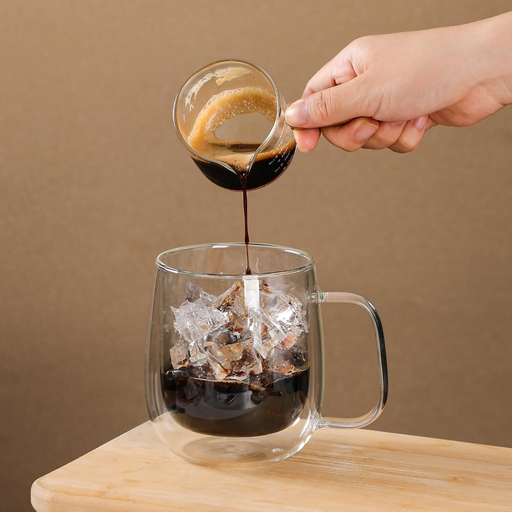
Why this product fits the profile: Two mugs at 350 ml each are ideal for coffee, tea, hot chocolate and selected cold drinks. The double-walled construction and handle support everyday use.
The 350 ml specification prevents confusion with small espresso glasses. Before use, check the specific instructions on temperature, microwave and oven suitability.
350 ml per glass, set of 2, handle and described as dishwasher-safe.
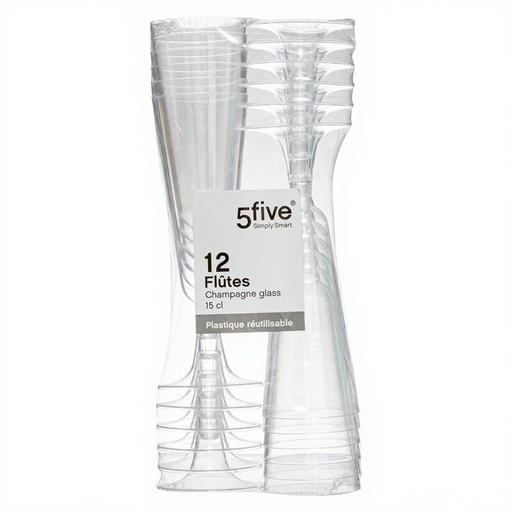
Why this product fits the profile: The 12-piece set made from polystyrene is designed for parties, picnics, camping and events with cold drinks.
The material specification makes it clear these are not classic glass tumblers. The "cold drinks only" label prevents unsuitable use with coffee or tea.
12 pieces, 150 ml capacity, lightweight and suitable for both indoor and outdoor use.
We've put together a full, regularly updated list of products that fully meet these strict selection criteria and the safety regulations in force in the EU.
For a two-person household, a set of 2 may be enough for specific drinks. If you regularly entertain guests, you'll usually benefit from six or more drinking glasses, plus additional wine glasses, champagne glasses or coffee glasses. For events, choose the set size based on the number of guests, possible refills and available spares.
This depends on the individual product approval. Double-walled glasses are often designed for both hot and cold drinks, but must be used according to the manufacturer's specific instructions. Standard soda-lime glasses and glasses with wooden lids may have limitations. For each product, check the information on temperature, microwave, oven and dishwasher.
Glasses should be protected from knocks and not stacked inside one another if this could cause scratches or pressure marks. When carrying wine glasses, hold them by the stem if possible. For cleaning, use mild detergents and soft sponges. Before each use, it's a good idea to check briefly for cracks, chips or other damage.