
Lieferung heute & morgen

Qualitätsgarantie

Willkommens-Angebote freischalten: KOSTENLOSE Lieferung | Bis zu 80 % RABATT | Kostenlose 30-Tage-JoyPlus-Testphase
App herunterladen
A glass set can look impressive in product photos, but colour, shape and quantity tell you little about how well it will stand up to everyday use. Capacity, temperature range, material and cleaning requirements are what really matter. If you don’t check these details before buying, you could end up with glasses that aren’t dishwasher-safe, aren’t suitable for hot drinks or take up too much space in your kitchen cupboard.
Standard soda-lime glass isn’t automatically suitable for hot drinks. Some models are specifically intended for cold or lukewarm drinks up to a certain temperature. A sudden change from hot to cold can put the glass under stress.
For coffee, tea and other hot drinks, double-walled borosilicate glass tumblers are a better choice, provided the manufacturer explicitly says they’re suitable. Even then, avoid using them in the microwave or oven, or exposing them to sudden temperature changes, unless the manufacturer says otherwise.
The dishwasher-safe label is useful, but it’s worth checking the details. Gentle programmes and leaving enough space between glasses and other crockery can help prevent scratches and knocks. Coloured coatings, gold rims and decorative patterns may lose their lustre when exposed to harsh detergents and high temperatures.
For a set of coloured glasses or glasses with metal decorations, hand-washing may be the better option. Always follow the care instructions for the specific product.
A glass with a capacity of 300 ml won’t necessarily be filled to the brim. Wine, beer and cocktails need room for aromas, foam or ice. For everyday use, many water glass sets and drinking glass sets have capacities of around 250 to 400 ml. Smaller glasses are better suited to spirits, espresso or tastings.
For products with information about food-contact suitability, look for clear, verifiable details from the manufacturer. Some of the models featured here refer to EU Regulation (EC) No 1935/2004 on materials intended to come into contact with food.
Tumblers with a low, wide body are stable and suitable for water, juice, cocktails or spirits. Highball glasses are taller and usually hold more liquid, ice and mixers. Whisky glass sets are often more compact and commonly include short tumblers.
For wine, the bowl shape, stem and capacity all matter. A tulip-shaped wine glass set can be used for red, white and rosé wine. Depending on their design, beer glass sets with a stem or tapered shape can show off the foam and colour of the drink. Cocktail glasses should have enough room for ice, a garnish and the drink itself.
A set of six glasses is a good choice for a larger household or if you regularly entertain. Four are often enough for smaller households and occasional guests. Check the height and diameter too: tall highball glasses won’t fit in every cupboard or under every dishwasher spray arm.
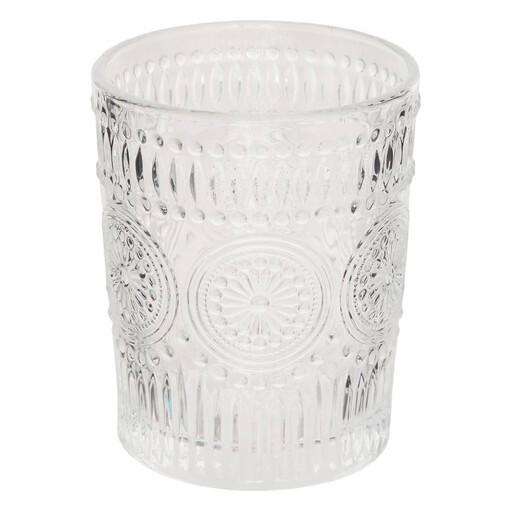
Why it suits this type of buyer: With a capacity of 300 ml, this clear glass is ideal for everyday drinks such as water, juice, soft drinks and cocktails. Its low shape makes it practical for daily use.
The stated temperature range is 0 to 80 °C. This glass isn’t intended for boiling liquids, microwaves or ovens. It’s listed as dishwasher-safe.
300 ml capacity, 9.5 cm height, 8.5 cm diameter and a low centre of gravity. The lead-free soda-lime glass is stated to be suitable for food contact.
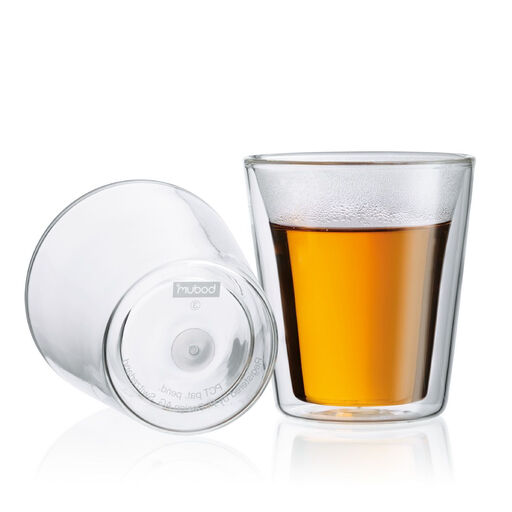
Why it suits this type of buyer: This set of six double-walled glasses is described as suitable for hot and cold drinks. With a capacity of 200 ml, they’re ideal for smaller servings, coffee, tea, juice or cocktails.
The double-walled borosilicate glass provides more insulation between your hand and the drink than single-walled glass. Even so, avoid sudden temperature changes.
Six glasses, each with a 0.2 l capacity, a double-walled design and stated dishwasher-safe suitability. According to the product description, they’re suitable for hot and cold drinks.
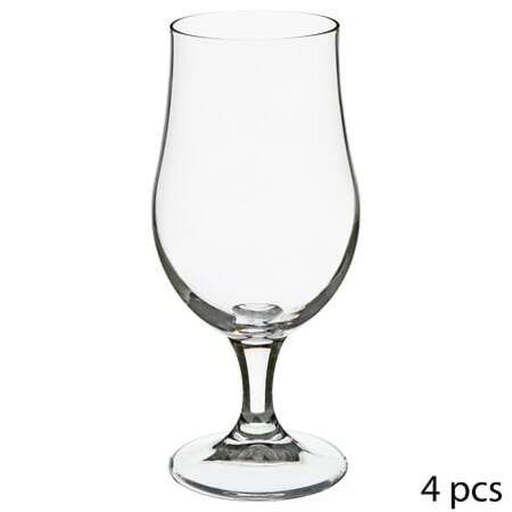
Why it suits this type of buyer: This set is ideal for hosts and beer lovers who want to serve wheat beer, speciality beer or craft beer in a 370 ml stemmed glass.
The product details specify four glasses, a capacity of 37 cl and dishwasher-safe suitability. They also explicitly warn against microwave use and sudden temperature changes.
Stemmed design, 370 ml capacity, tapered shape and a set of four. The glasses are made from soda-lime glass and are stated to be suitable for food contact.
We’ve put together a complete, regularly updated list of products that meet these strict selection criteria and fully comply with the safety regulations in force in the EU.
Even the right glass set will stay looking its best for longer if you follow a few basic rules:
Four are often enough for a small household. If you regularly entertain, consider a set of six or eight. For different types of drink, a combination of water glasses, wine glasses and suitable speciality glasses is often more practical than a single all-purpose set.
Double-walled borosilicate glass tumblers are designed for hot drinks when the manufacturer confirms they’re suitable. Standard soda-lime glasses should only be used within their stated temperature range.
How long they last depends on the thickness of the glass, how you use and store it, and how you clean it. Knocks, scratches and sudden temperature changes shorten their lifespan. Regularly checking your glasses and cleaning them gently can help you spot and replace damaged ones in good time.