
Lieferung heute & morgen

Qualitätsgarantie

Willkommens-Angebote freischalten: KOSTENLOSE Lieferung | Bis zu 80 % RABATT | Kostenlose 30-Tage-JoyPlus-Testphase
App herunterladen
A glass set might seem easy to compare at first glance: quantity, colour and shape are quickly noted. In practice, however, unclear capacity details, unsuitable materials or misleading care claims often lead to the wrong purchase. So if you're looking for drinking glasses for the home, a party, catering or outdoor use, you shouldn't just focus on the design.
A specification of 250 ml, 450 ml or 700 ml usually describes the maximum volume. In real use, you need room for ice, froth, garnish or a safe gap from the rim. A large gin glass, for example, holds plenty of ice and tonic, but isn't automatically practical for every type of drink.
With a set of 4 glasses or set of 6 glasses, you should therefore check whether the size suits the intended drink. For an aperitif or liqueur, smaller glasses are more sensible than large tumblers.
Plastic glasses made from PP or polystyrene can be suitable for parties, picnics and outdoor events. They are lightweight and won't splinter like conventional glass if dropped. However, that doesn't mean they are resistant to scratches, heat or heavy deformation.
With both disposable and reusable options, buyers need to pay attention to the details about reuse, cleaning and disposal. Plastic glasses for cold drinks cannot automatically be used with hot drinks or in the microwave.
"Dishwasher safe" is only helpful if you also consider temperature, programme and placement. Thin glasses, decorative coatings and gold-coloured rims can be damaged by harsh detergents or high temperatures. If there is no clear manufacturer instruction, hand washing is the safer choice.
A set of drinking glasses with straight tumblers is suitable for water, juice and many mixed drinks. For wine, the bowl shape, height and volume are relevant. A wine glass set with 160 to 448 ml can be designed for different serving sizes; what matters is whether red wine, white wine or non-alcoholic drinks are the focus.
A champagne glass set should offer a stable base and match your planned number of guests. For cocktails, the shape and rim diameter are important. A cocktail glass set with 250 ml is suitable for smaller mixed drinks and desserts, for example, while a gin glass set with 700 ml offers more room for ice and garnishes.
Conventional glass is transparent and flavour-neutral, but can break on impact. Borosilicate glass is often used for double-walled glasses. The double wall can keep the outside at a more pleasant temperature with hot or cold drinks. Even so, this material should not be subjected to sudden temperature changes.
With plastic glasses, the specific type of plastic is relevant. The 5Five set made from polystyrene is intended for cold drinks according to the product details and is not dishwasher safe. The PP wine glass set is lightweight and described for both indoor and outdoor use. The respective manufacturer instructions remain key.
Before buying, you should check the following points:
If you notice visible cracks, chips or sharp edges, a glass should not be used further. Large bowls and thin-walled glasses should also not be stacked inside each other if the manufacturer warns against it.
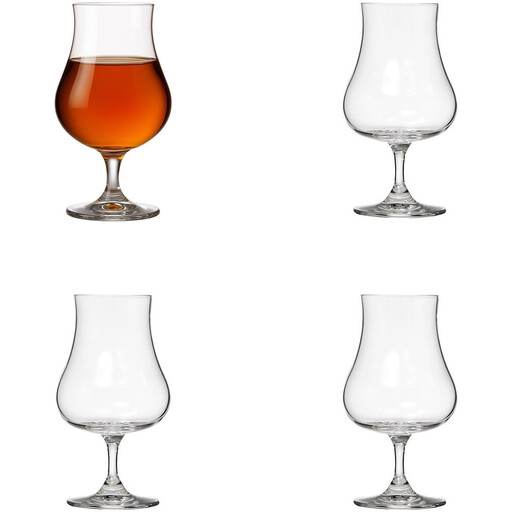
Why this product fits the profile: This set of 4 with 220 ml per glass is aimed at households that want to serve liqueur, dessert wine or aperitifs in suitable portions.
The capacity and quantity are clearly stated. The recommended hand washing takes the more delicate appearance into account.
Four transparent glasses, 220 ml capacity and a crystal-like surface texture.
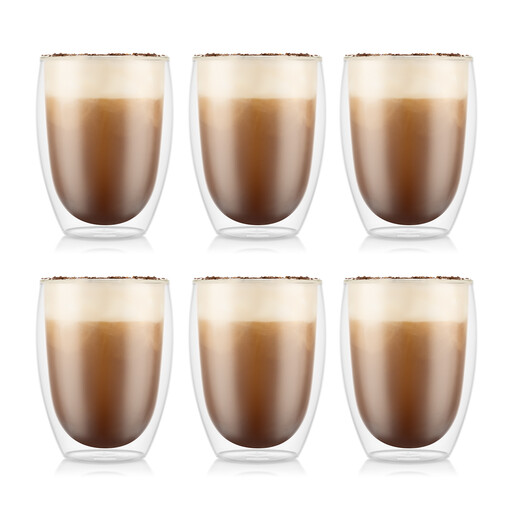
Why this product fits the profile: The six double-walled thermo glasses suit households looking for a uniform set for coffee, cold drinks and everyday use.
The double wall is a specifically described construction, not a vague insulation promise. Manufacturer instructions on care and temperature should be followed.
Set of 6 with 350 ml and double-walled construction for versatile drinks.
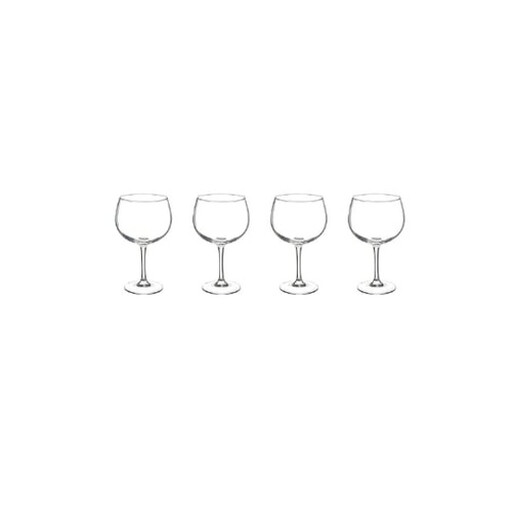
Why this product fits the profile: The four balloon glasses with 700 ml capacity are designed for gin and tonic and aromatic cocktails with ice and garnish.
The temperature range of 0 °C to 60 °C and suitability for cold drinks are explicitly stated. This prevents incorrect use with boiling liquids.
Four glasses made from lead-free soda-lime glass, wide bowl and weighted base according to product details.
For glasses for parties and celebrations, quantity, weight and shatter resistance matter more than a particularly delicate shape. The 5Five set with twelve transparent polystyrene champagne glasses of 150 ml each is described for cold drinks and both indoor and outdoor use. It is not dishwasher safe according to the details.
For larger events, a set of 20 faceted plastic cocktail glasses of 6 cl each could be of interest. For catering businesses, you should also check the carton quantity, reorder availability, stackability and daily cleaning effort.
If you are looking for liqueur glasses, aperitif glasses or small tasting glasses, look for controllable portion sizes and a stable base. A wider selection of suitable shapes can be found in the category Discover aperitif glasses.
We have put together a complete, regularly updated list of products that fully meet these strict selection criteria and the safety regulations in force in the EU.
For a small household, four glasses are often enough. If you entertain regularly, six or twelve pieces are more practical. Allow for replacements if you plan to use thin-walled glass or host frequent events.
Not automatically. It depends on the material and the manufacturer's instructions. For the 5Five champagne glass set mentioned, hand washing is recommended; microwave use is excluded. Care instructions should be checked before purchase.
The lifespan depends on the material, rim thickness, cleaning and storage. Knocks, scratches and extreme temperature changes can damage glass. Gentle cleaning, adequate spacing in the dishwasher and immediately discarding damaged glasses reduce the safety risk.