
Lieferung heute & morgen

Qualitätsgarantie

Willkommens-Angebote freischalten: KOSTENLOSE Lieferung | Bis zu 80 % RABATT | Kostenlose 30-Tage-JoyPlus-Testphase
App herunterladen
A glass set might seem straightforward at first glance. In practice, drinking glasses differ significantly in capacity, material, cleaning requirements and suitability for hot or cold drinks. If you choose purely by shape or price, you could end up with glasses that are too small for their intended purpose, don't stack well, or are sensitive to temperature changes.
A set may look uniform but only be suitable for one type of drink. Small espresso glasses aren't automatically right for aperitifs, while large tumbler glasses can be impractical for an espresso. So before you buy, always check the capacity in millilitres or centilitres.
Glasses for hot drinks need to withstand more than just the temperature of the beverage. Switching from cold to hot, or vice versa, can create stress in the glass. Unless a product explicitly states it is made from heat-resistant or borosilicate glass, you should not pour boiling water into it.
The label dishwasher-safe glasses makes cleaning easier, but it doesn't tell you how long the surface will stay clear. Harsh detergents, high temperatures and contact with other crockery can lead to smears or scratches over time. Always follow the care instructions for each product.
For everyday use, drinking glasses around 200 to 400 ml are often versatile. For espresso, liqueur or small aperitifs, 10 to 20 cl is sufficient. The GLASS CUP ANALYA 10CL, for example, has a capacity of 10 cl and, according to the product description, is suitable for aperitifs, spirits, espresso or side dishes.
With wine, shape also matters. A rounded bowl makes swirling easier and shows off colour and clarity. The Paola wine glass from Secret de Gourmet holds 20 cl and is made from transparent soda-lime glass. According to the product details, it is intended for red, white and rosé wine.
Double-walled glasses have an insulating gap. This keeps the outside more comfortable to hold in many uses, while reducing condensation on the surface. However, even double-walled glasses should not be subjected to extreme temperature changes without explicit approval.
Borosilicate glass is often used for glasses for hot and cold drinks. What really matters, though, is the specific manufacturer's information. A glass should not be considered microwave or oven safe based solely on the material.
Look for specific details about the dishwasher, microwave and temperature tolerance. With soda-lime glass, direct contact with boiling water is problematic if no relevant approval is given. Check glasses regularly for cracks, chips or deep scratches, and replace any damaged pieces.
For households with children or for outdoor use, transparent PP wine glasses can be an alternative to classic glass. They are lighter and more shatter-resistant, but differ in feel and appearance from real glass.
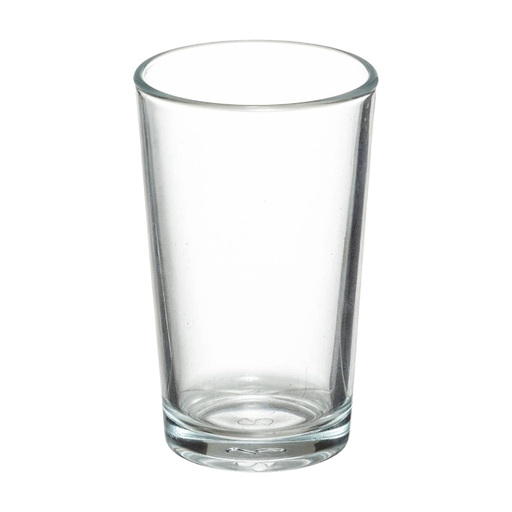
Why this product fits the profile: This compact 10 cl glass is designed for small portions such as espresso, aperitifs or spirits, and takes up little storage space.
The clearly stated capacity prevents a small serving glass from being mistaken for a full-sized drinking glass.
10 cl capacity; compact dimensions of 8.40 × 5.10 × 5.10 cm.
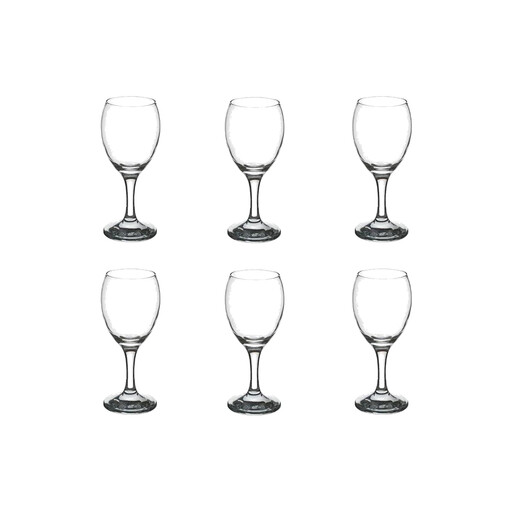
Why this product fits the profile: The rounded shape supports a classic wine presentation and suits private dinner parties as well as formal table settings.
The product details clearly state the material, capacity and care instructions. This reduces the risk of buying the wrong item due to unclear usage guidelines.
20 cl capacity; according to product details, dishwasher and microwave safe.
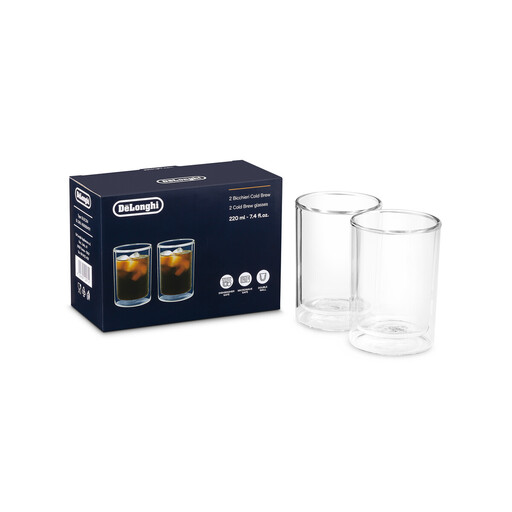
Why this product fits the profile: This two-piece set is designed for cold brew and other chilled coffee drinks, each holding up to 220 ml.
The specific "up to 220 ml" detail prevents false expectations about size. Dishwasher suitability is also stated.
Set of two glasses; dishwasher safe according to the product description.
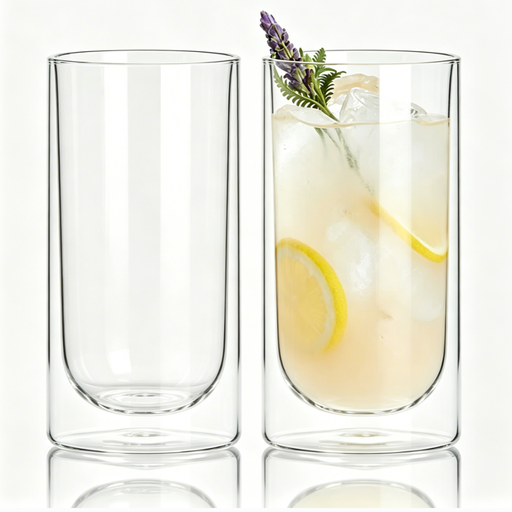
Why this product fits the profile: The 280 ml size and double-walled construction make it suitable for coffee, tea, cocktails and cold drinks in daily use.
The product description states capacity, double-walled design and suitability for both hot and cold drinks, rather than just promoting the design.
Two glasses in a set; according to the product description, designed for temperature variations and various drinks.
For cafés, bars and hotels, factors beyond glass shape include reordering, pack size and storage. Verrine glasses such as the Secret de Gourmet New York Straight with 27 cl are suitable for small dishes, tapas and aperitif portions. According to the product details, this model is offered in a pack of eight.
For classic drinks, tumbler glasses like the Bodeg'Eau Short Tumbler with 24 cl are a fitting category. For lattes, cappuccinos or larger coffee portions, coffee glasses with handles or double-walled variants with 350 ml are a better choice. Check each model separately for dishwasher, microwave and thermal shock approval.
We have put together a complete, regularly updated list of products that fully meet these strict selection criteria and the safety regulations in force in the EU.
For two people, two to four glasses per drink category are often enough. If you regularly entertain guests, you should plan for extra drinking glasses. With wine or cocktail glasses, it's also important that the pieces sit securely in the cupboard and aren't stacked too tightly.
Not automatically. Double-walled glasses may be designed for hot and cold drinks, but they still need clear manufacturer information about temperature tolerance. Avoid sudden temperature changes and only pour in boiling liquids if this is explicitly approved.
Wash glasses using a suitable programme or by hand where possible, avoid abrasive sponges, and don't stack them inside each other if this could cause scratches or jamming. Damaged glasses should not be reused for safety reasons.