
Lieferung heute & morgen

Qualitätsgarantie

Willkommens-Angebote freischalten: KOSTENLOSE Lieferung | Bis zu 80 % RABATT | Kostenlose 30-Tage-JoyPlus-Testphase
App herunterladen
A glass set should work reliably every day, suit the drinks you already enjoy and be easy to clean without unnecessary effort. However, small espresso glasses, large tumbler glasses and double-walled glasses can differ significantly in capacity, temperature resistance, care requirements and possible uses.
If you choose based solely on appearance or an apparently particularly robust design, you may easily overlook important details. This buying guide explains what households, hosts, cafés, bars, hotels and catering businesses should consider when buying.
The capacity stated in millilitres or centilitres is crucial for how the glass will be used. 8 cl is suitable for espresso, while 22 cl provides a compact serving of cold brew. For water, juice or long drinks, 30 to 40 cl is often more practical. A 52-cl glass may be suitable for large cold drinks, but can quickly look oversized when used for smaller servings.
Not every glass is designed for hot liquids. A product intended for cold drinks should not be used for coffee or tea unless the manufacturer specifically states that it is suitable. Even with heat-resistant glass, thermal shock can be a problem, for example if a glass is filled with boiling water immediately after being taken from the fridge.
Products labelled as dishwasher-safe glasses are convenient for everyday use, but harsh detergents and high temperatures can make the surface cloudy over time. With double-walled glasses, you should also follow the instructions regarding microwaves, ovens, stacking and careful handling.
First, match the glass to the drink you plan to serve:
Also consider the external dimensions. Tall wine glasses require more cupboard space than short tumblers. For catering businesses, consistent dimensions and straightforward storage are particularly important.
Clear glass displays drinks attractively and makes it easy to check for damage. Borosilicate glass is used in some double-walled models and, according to the product details, is designed to withstand temperature differences. Nevertheless, this does not replace careful use: impacts, hard surfaces and sudden changes from very cold to very hot can cause breakage.
The double-wall construction creates an insulating layer of air. With hot drinks, this can make the outside more comfortable to hold, while with cold drinks it can reduce condensation. A handle provides additional support but affects storage and stacking options.
Before buying, check the following details:
Glasses with visible cracks or chips should no longer be used. Safe storage is particularly important in households with children and in catering businesses.
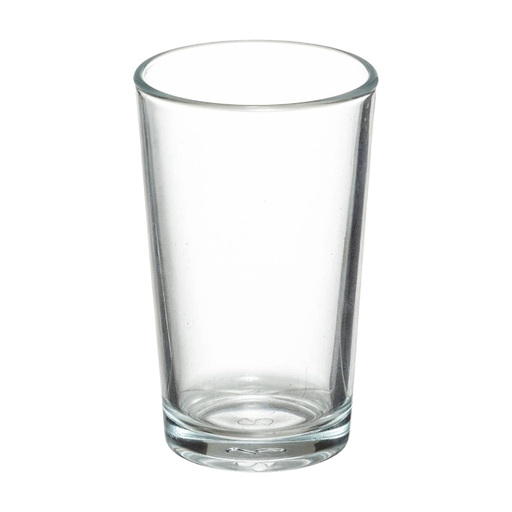
Why this product suits this profile: The compact 10-cl glass is designed for espresso, aperitifs, spirits or small accompaniments. Measuring 8,40 × 5,10 × 5,10 cm, it takes up very little storage space.
The clearly stated capacity prevents a small serving glass from accidentally being bought as a large coffee cup.
Clear glass, a 10-cl capacity and a weight of approximately 0,11 kg.
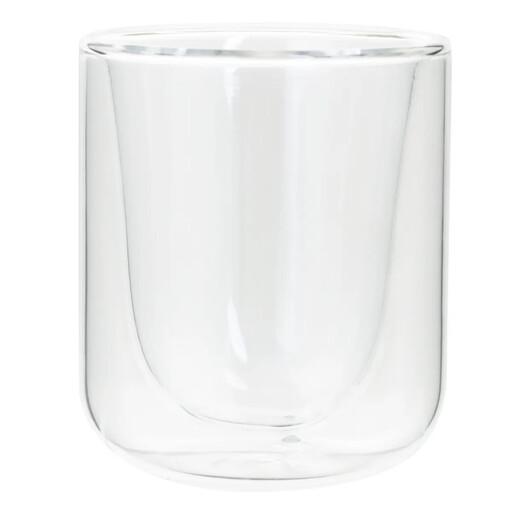
Why this product suits this profile: The 8-cl espresso cup made from double-walled borosilicate glass is designed for small coffee specialities and an attractive, organised presentation.
The manufacturer’s information explicitly confirms microwave and dishwasher suitability, while ruling out use in the oven.
80 ml capacity, transparent double-walled glass and Food-Contact-Safe labelling according to the product description.
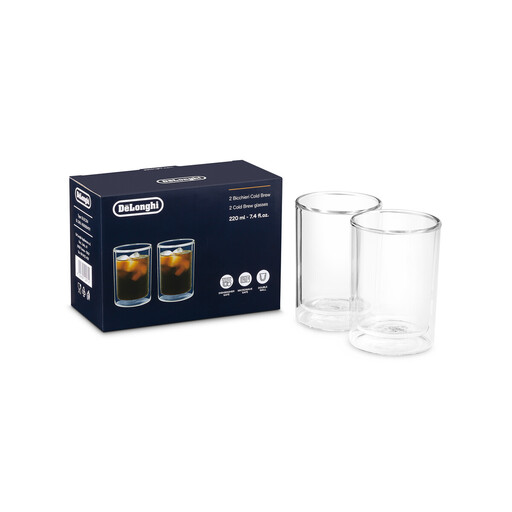
Why this product suits this profile: The set of two glasses, each holding up to 220 ml, is specifically described for cold brew and other chilled coffee drinks.
The clearly stated intended use distinguishes this set from coffee glasses designed for hot drinks and helps prevent the wrong choice when planning your drinks selection.
Two glasses per set, 220 ml capacity and dishwasher suitability according to the product description.
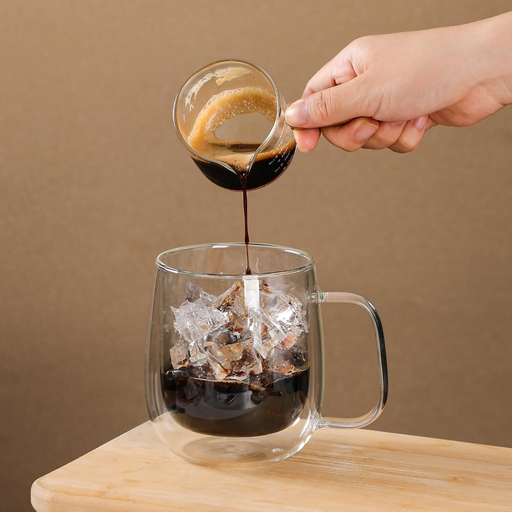
Why this product suits this profile: Two 350-ml glasses with handles are designed for coffee, tea, latte, cappuccino and cold drinks, making them suitable for different times of day.
The stated double-wall construction and handle address both temperature insulation and safe handling.
350 ml capacity, handle, double-wall design and dishwasher suitability according to the product information.
We have put together a complete, regularly updated list of products that fully meet these strict selection criteria and the safety regulations applicable in the EU.
For water and juice, 30 to 40 cl is often practical. For espresso, 8 to 10 cl is sufficient, while coffee drinks such as latte or cold brew usually require more than 200 ml. The key consideration is whether you mainly serve small portions, standard drinks or large refreshments.
That depends on the specific product information. According to the manufacturer’s details, double-walled borosilicate glasses may be designed for hot and cold drinks. Nevertheless, check the instructions regarding microwaves, ovens and thermal shock. A model described as a cold-brew glass should not automatically be used for hot drinks.
Use a suitable dishwasher programme, avoid harsh detergents and leave enough space between the glasses and other crockery. For delicate or double-walled glasses, washing by hand with a soft sponge can help protect the surface. Glasses with cracks, chips or deep scratches should be removed from use for safety reasons.