
Lieferung heute & morgen

Qualitätsgarantie

Willkommens-Angebote freischalten: KOSTENLOSE Lieferung | Bis zu 80 % RABATT | Kostenlose 30-Tage-JoyPlus-Testphase
App herunterladen
A glass set should suit your household, your drinks and how you plan to use it. In practice, however, three common purchasing mistakes in particular can lead to unnecessary expense:
If you want to buy glassware, you should therefore decide first how it will be used, and only then choose the colour or shape.
Soda-lime glass is often used for everyday drinking glasses, beer glasses and glasses for parties. It is transparent, comparatively easy to care for and many sets are dishwasher-safe. Nevertheless, it remains fragile and is not automatically heat-resistant.
Crystal glasses or lead-free crystal glass are often chosen for their clarity and refined appearance. However, handmade glasses may have thin rims and delicate stems that require extra care during transport, cleaning and storage. Always check the manufacturer’s specific care instructions.
For contact with food, the labelling under Regulation (EC) No 1935/2004 is relevant. It sets out requirements for materials that come into contact with food. Manufacturer information, capacity and safety instructions should also be clearly stated.
The size of the glass should match the serving and the drink:
A larger glass is not usually filled right up to the rim. What matters is the usable shape, the base area and the space available in your cupboard.
“Dishwasher-safe glasses” should ideally be cleaned using a glassware or low-temperature programme. Strong detergents and frequent high temperatures can cause clouding over time. Glasses with gold or brass decoration should often be washed by hand to protect the coating.
Soda-lime glass and crystal glass are not automatically suitable for hot liquids. A sudden change in temperature can cause thermal shock and glass breakage. Hot water should therefore not be poured directly into a cold glass. Damaged glasses with cracks, chips or deep scratches should no longer be used.
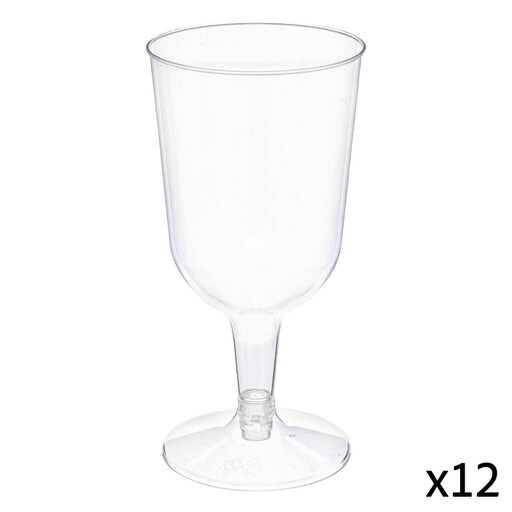
Why this product suits this profile: The set contains 12 transparent glasses, each with a capacity of 15 cl, making it suitable for smaller households, parties, restaurants or serving a range of cold drinks every day.
The number of pieces and capacity are clearly stated. This makes it easier to calculate how many glasses you need for guests than when buying individual glasses with an unclear set size.
12 glasses, a capacity of 150 ml and dishwasher suitability according to the product description. The transparent design is easy to combine with other tableware.
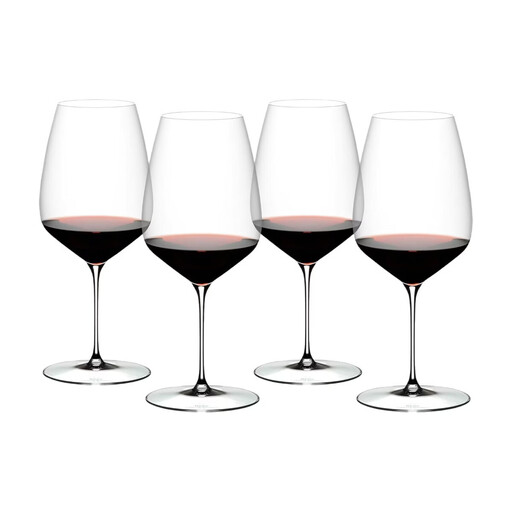
Why this product suits this profile: The four crystal glasses, each with a capacity of around 860 ml, are aimed at those who want to serve Cabernet or Merlot in a generously sized bowl.
The product details specify the material, individual capacity, set size and dishwasher suitability. This makes it easier to compare the glasses with smaller wine glasses.
Clear crystal glass, four stemmed glasses and a large bowl shape; dishwasher-safe according to the manufacturer’s information.
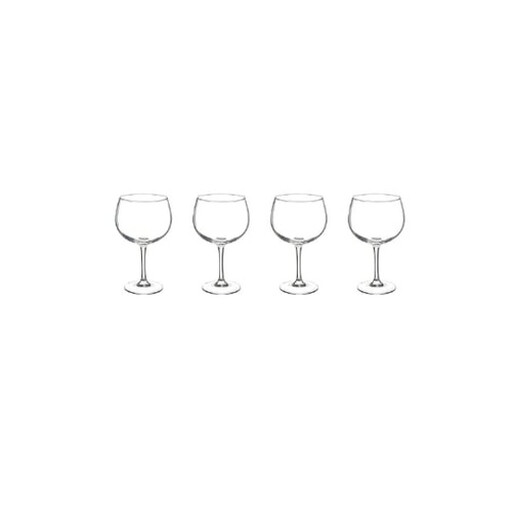
Why this product suits this profile: The four balloon glasses are designed for gin and tonic and aromatic cocktails with ice, tonic and garnish – ideal for home bars and hosts who enjoy entertaining.
The temperature range of 0 to 60 °C and the reference to cold drinks make it clear that these glasses are not intended for hot liquids.
70 cl capacity, a wide bowl, sturdy foot and dishwasher suitability according to the product description when using a gentle programme.
For special occasions, a RIEDEL Veritas Champagne Wine Glass Set with four crystal glasses and a capacity of 445 ml per glass may be worth considering. The egg-shaped bowl differs from a narrow flute. For robust outdoor use, on the other hand, a set of 12 plastic Champagne glasses with a capacity of 150 ml is a practical choice. According to the product description, these are not dishwasher-safe and are intended only for cold drinks.
If you serve spirits, the Secret de Gourmet Whisky Glass Set, containing two glasses with a capacity of 30 cl each, or the CRI Cognac Glass Set, containing four glasses with a capacity of 40 cl, offer suitable sizes. Beer lovers can choose a set of four stemmed beer glasses with a capacity of 37 cl. The shape of each glass should suit not only the drink, but also the storage space available.
We have put together a complete, regularly updated list of products that fully meet these strict selection criteria and the safety regulations applicable in the EU.
For two people, four to six glasses per drink category are often enough. If you regularly entertain guests, choose the quantity based on the number of seats and the number of drinks you plan to serve. A 12-piece set can be more practical for parties and larger gatherings, while a 2-piece set for whisky or cognac can be added as needed.
Yes, provided you follow the manufacturer’s instructions. Use a gentle programme, prevent hard objects from coming into contact with the glasses in the dishwasher basket and allow the glasses to cool before removing them. Gold or brass decorations, as well as very delicate crystal glasses, may stay clear and attractive for longer when washed by hand, despite being dishwasher-safe.
For wine, the bowl shape and capacity are key. Sparkling wine and Champagne glasses need sufficient space for bubbles and aroma. Cocktail glasses should be chosen according to the recipe: smaller 15-cl glasses suit compact servings, while large gin glasses can accommodate ice and garnishes. A versatile selection of several glass types is more practical than a single oversized universal glass.