
Lieferung heute & morgen

Qualitätsgarantie

Willkommens-Angebote freischalten: KOSTENLOSE Lieferung | Bis zu 80 % RABATT | Kostenlose 30-Tage-JoyPlus-Testphase
App herunterladen
Glass storage jars with airtight lids are ideal for pasta, rice, flour, sugar, coffee, tea, biscuits and snacks. They keep contents visible, can save space by stacking, depending on the design, and may be a practical alternative to single-use packaging. However, glass storage containers vary considerably in terms of lid material, closure, care and intended use.
To ensure your purchase works well in your kitchen over the long term, do not focus solely on decorative design or the claim that a product is ‘airtight’. The key factors are specific product information, the shape of the container, and the permitted cleaning and usage methods.
A lid that simply rests loosely on top offers only limited protection against moisture and air exchange. Look for a silicone seal, a clip-top closure or a clearly described sealing system. The rim of the jar must also be clean and dry so that the closure seals reliably.
Acacia, pine or bamboo lids look appealing, but they often cannot be put in the dishwasher. If stored in consistently damp conditions, the material and seal may also deteriorate more quickly. A glass container with a wooden lid is therefore mainly suitable for dry foods and should be allowed to dry completely after washing.
Borosilicate glass is designed for higher temperature ranges in suitable products. However, this does not automatically mean that every storage jar can be used in the oven, microwave or freezer. Lids generally need to be removed before using a container in the oven. Sudden temperature changes – for example, moving the jar straight from a hot oven into cold water – can damage even heat-resistant glass.
For spices, tea or small snacks, 0.3 to 0.5 litres is often sufficient. A glass container for dry foods such as rice, flour or pasta should hold around 0.75 to 1.3 litres, depending on the pack size. The usable filling capacity may differ from the advertised capacity if the container should not be filled right to the rim.
Square storage jars often make more efficient use of shelf space than round models. Check the following before buying:
Standard clear glass is suitable for storing dry foods, provided the manufacturer states that it is suitable for food contact. Borosilicate glass is specified for use in the oven, microwave or freezer with several products. The relevant limits always apply to the specific model.
A glass container for storing meals requires different features from a glass biscuit jar. For meal prep, temperature resistance, leak protection and dishwasher suitability are particularly important. For coffee, flour or sugar, on the other hand, a dry interior and a well-fitting lid are the priorities.
Lids made from plastic, Tritan, stainless steel or wood have different properties:
Glass containers should be washed and dried completely before first use. Damaged jars with cracks or chips should no longer be used for food storage.
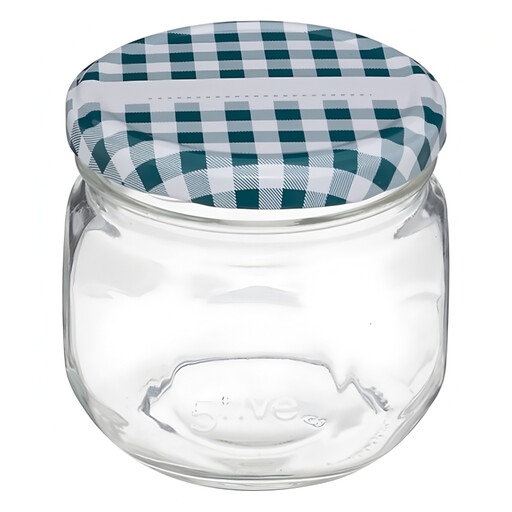
Why this product suits this profile: This storage jar set includes six 0.3-litre jars, making it suitable for small quantities, spice mixes, tea, homemade preserves or snacks.
The uniform size makes it easier to organise your supplies and prevents a single oversized jar from taking up unnecessary space. Check the lid design before buying.
Six identical jars; transparent glass and a capacity of 0.3 litres per container.
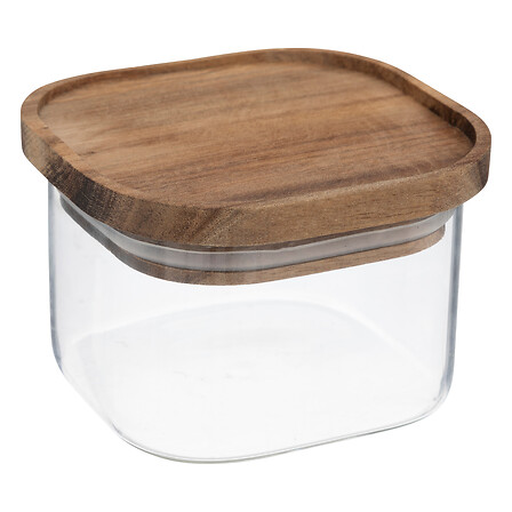
Why this product suits this profile: Made from borosilicate glass with an acacia wood lid, this square jar is designed for smaller quantities of dry foods, tea or ingredients on the worktop or shelf.
The product details state that it has an airtight seal and also specify that the wooden lid must be washed by hand and that the jar is suitable for dry foods.
0.4-litre capacity; borosilicate glass and acacia wood lid with seal.
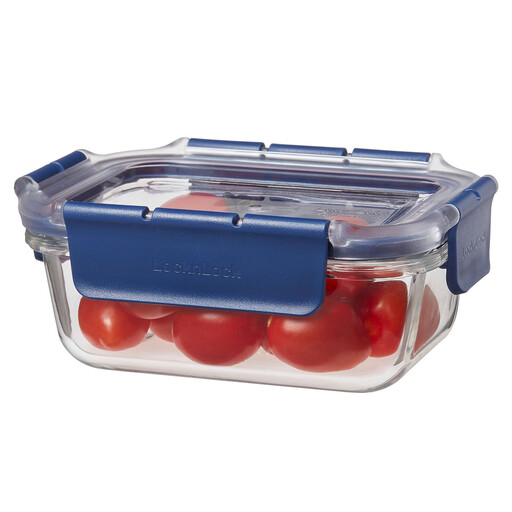
Why this product suits this profile: This 380-millilitre model is designed for meal prep, leftovers and portioned meals. According to the product details, it can also be used in the oven, microwave, freezer and dishwasher.
The four-sided closure is clearly described. The lid must be removed when using the container in the oven; when heating food, follow the instructions regarding the steam vent.
Borosilicate glass; stackable Tritan lid; 380 millilitres; airtight and leakproof according to the supplier.
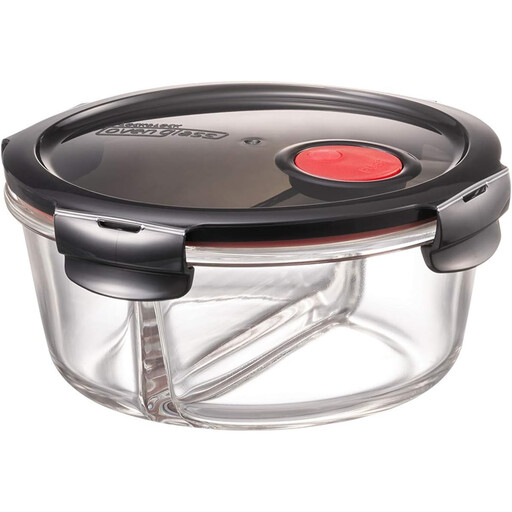
Why this product suits this profile: This round 900-millilitre container has an integrated divider and is suitable for separate meals, leftovers and transporting food.
The usage limits are clearly stated: remove the lid before using the container in the oven and open the steam vent before placing it in the microwave. This prevents the closure from being mistaken for universal heat protection.
900 millilitres; borosilicate glass; divider compartment; suitable for the oven, microwave, freezer and dishwasher according to the supplier.
We have put together a complete, regularly updated list of products that fully meet these strict selection criteria and the safety regulations applicable in the EU.
For hygienic, long-lasting use of food storage jars in the kitchen, we recommend the following routine:
If you store different types of food, you can also label the containers. This reduces the need to open several jars and makes it easier to keep track of your supplies. When stacking glass containers, only stack compatible sizes on top of one another.
Yes, provided the product is intended for dry foods and the lid closes cleanly and securely when dry. Flour and sugar should not be put into a damp container. A wide opening makes filling and removing contents easier.
That depends on the specific model. With suitable glass containers, the lid often needs to be removed or the steam vent opened. Wooden lids and lids not specifically indicated as microwave-safe must not be put in the microwave.
With careful handling, the glass can be reused for a long time. The lifespan of the container as a whole also depends on the seal, closure and lid material. Avoid knocks and sudden temperature changes, and replace damaged components in accordance with the manufacturer’s instructions.