
Lieferung heute & morgen

Qualitätsgarantie

Willkommens-Angebote freischalten: KOSTENLOSE Lieferung | Bis zu 80 % RABATT | Kostenlose 30-Tage-JoyPlus-Testphase
App herunterladen
A glass vase is more than just a vessel for flowers. It's a standalone decorative element that can lend character and elegance to any room. However, the market is flooded with models that look appealing at first glance but prove to be impractical or unstable in daily use. Many buyers are frustrated by vases that tip over easily, are difficult to clean, or have a shape that simply doesn't suit their chosen flowers. This guide will show you what to look for to make an informed decision and find a glass vase that excels in both aesthetics and functionality.
Before we dive into the essential selection criteria, let's look at the typical problems that can lead to disappointment. Recognising these weaknesses will protect you from making a poor purchase.
To avoid these pitfalls, you should check three key aspects before buying. These parameters determine the durability, functionality, and aesthetic appeal of your new decorative glass vase.
The quality of the glass is fundamental. Look for an adequate wall thickness, especially in the lower section of the vase. A solid, thick base ensures a low centre of gravity and significantly increases its stability. This is particularly important if you are looking for a large vase for the floor or for heavy branches. Clear, bubble-free glass is a sign of clean workmanship, while intentionally incorporated textures or colouring can be deliberate design features.
The shape of the vase should suit not only your taste but also its intended use.
Check the diameter of the opening in relation to the overall height and volume of the vase. This ensures your flowers will have the right support.
The style of the vase should harmonise with your interior design. A modern glass vase is often characterised by clean lines, geometric shapes, or minimalist designs. In contrast, a vintage glass vase might feature intricate embossing, an apothecary look, or organic forms. A coloured glass vase can create a deliberate accent, picking up the colour of the flowers or providing an exciting contrast. It can also serve as a purely decorative object without any contents and is a popular gift idea.
To help you make your decision, we have put together a few models for different needs and profiles.
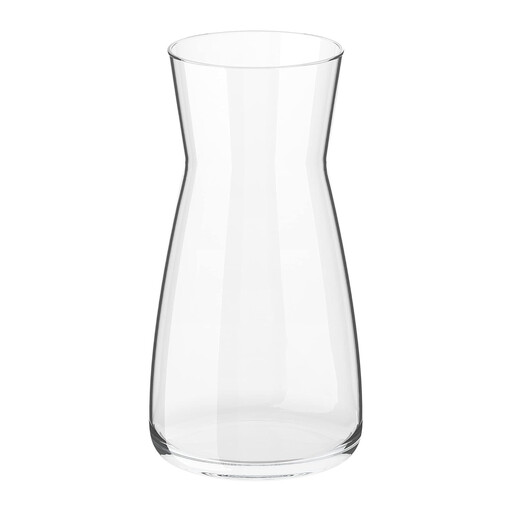
Why it's a great fit: Perfect for anyone looking for an uncomplicated and versatile table vase for everyday use. The classic, slightly tapered shape is ideal for medium-sized bouquets like tulips or roses and blends discreetly into any interior.
The thickened base provides good stability and prevents the tipping problem. The high-quality glass is robust enough for daily use, and the opening is well-proportioned for common bouquets.
A universal design with a stable base, suitable for a wide variety of flowers and occasions.
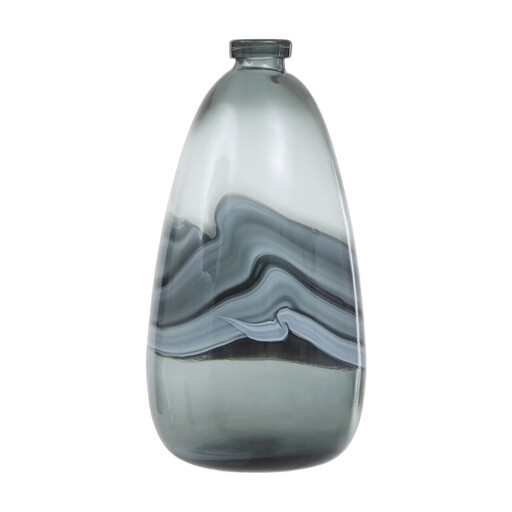
Why it's a great fit: For those seeking a large floor vase that functions as a sculptural object even without flowers. At 40 cm tall and with an elegant ombré colour gradient, it's a showstopper in modern living spaces.
According to the manufacturer, the vase is made from robust glass and has a wide, stable base. The narrow neck is intentionally designed for long-stemmed flowers or single branches, thus avoiding the problem of an overly wide opening.
Large format (40 cm height) and a sophisticated design with an ombré effect that functions as a standalone art object.
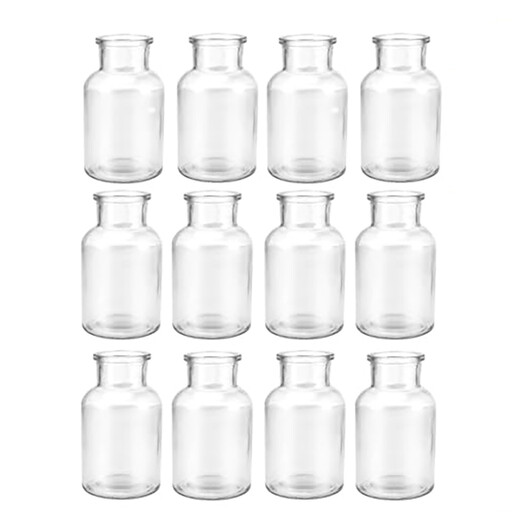
Why it's a great fit: This set is the perfect solution for designing events, parties, or **wedding decor**. The 12 small, uniform vases allow for a cohesive table decoration. The included jute ribbon adds a rustic charm.
The vases are made of thick, durable glass and are dishwasher-safe according to the manufacturer, which greatly simplifies post-event cleanup and minimises the problem of fragility. Their small size is optimal for their purpose as table vases.
A practical set of 12 for uniform decorations and easy, time-saving cleaning in the dishwasher.
We've compiled a complete, up-to-date list of products that fully meet these strict selection criteria and rigorous safety standards.
1. What's the best way to clean a narrow-necked glass vase? For narrow vases, special bottle brushes with a flexible handle are ideal. Alternatively, you can fill the vase with warm water, a drop of washing-up liquid, and a handful of uncooked rice. Swirl the vase vigorously so the rice mechanically scrubs the inner walls. Then, rinse thoroughly.
2. Which glass vase is best for pampas grass? A tall, slender floor vase is perfect for pampas grass. The height supports the long stems, while the narrow opening ensures the plumes stand upright and don't fall to the side. A cylinder vase or a bottle-shaped vase with a stable base are good options for this.
3. How can you prevent a tall, narrow glass vase from tipping over? The key is a heavy base. When buying, look for a model with a solid glass bottom. For extra stability, you can fill the bottom of the vase with decorative sand, small stones, or glass marbles before adding water and flowers. This lowers the centre of gravity and significantly increases stability.