
Lieferung heute & morgen

Qualitätsgarantie

Willkommens-Angebote freischalten: KOSTENLOSE Lieferung | Bis zu 80 % RABATT | Kostenlose 30-Tage-JoyPlus-Testphase
App herunterladen
If you want to buy glasses, you will find a wide range for wine, water, coffee, spirits and cocktails. However, the differences are not limited to design. Capacity, type of glass, cleaning instructions and intended use all determine whether a glass remains practical in everyday life or quickly ends up unused in the cupboard.
A generously sized glass may look appealing, but it is not automatically suitable for every drink. 8 cl, for example, is sufficient for espresso, while a glass for cold brew or water needs considerably more volume. If you buy based on appearance alone, you may end up with a set that does not suit your drinking habits.
The term dishwasher-safe glasses does not mean that every programme is equally suitable. Aggressive detergents, high temperatures and an unsuitable position in the dishwasher can cause clouding or damage over time. Hand washing is often recommended for glasses with metal finishes.
Not every glass is designed for hot drinks or rapid temperature changes. Soda-lime and crystal glass can break under severe thermal shock. Borosilicate glass and double-walled designs are more practical for certain hot drinks, but they must still be used according to the manufacturer’s instructions. Boiling water should not be poured directly into a glass that is unsuitable for it.
The size should match the usual serving:
Also check whether the stated quantity refers to the maximum capacity. A glass should not be filled to the brim, particularly when serving wine or cocktails.
Crystal glass offers a clear, glossy appearance, but it is not automatically heat-resistant. The Atmosphera Selenga Wine Glass specifically carries a warning against sudden temperature changes of more than 60 °C. For hot and cold drinks, double-walled glasses made from borosilicate glass may be a suitable option, provided the relevant product description confirms this.
A double-walled glass can make the outside more comfortable to hold when serving hot drinks and reduce condensation with cold drinks. Nevertheless, use in a microwave, oven or freezer is not automatically permitted. The specific manufacturer’s instructions are decisive.
Before buying, check:
Before every use, glasses should be checked for cracks, chips and deep scratches. Damaged glasses should no longer be used at the dining table. Stemmed glasses should be carried by the stem, while particularly delicate models should not be placed inside one another.
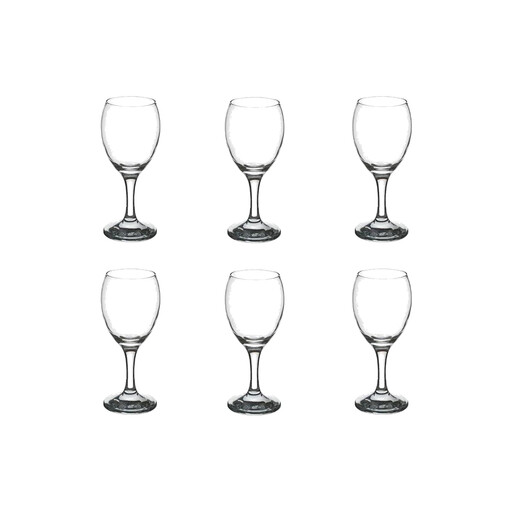
Why this product suits this profile: This 20-cl wine glass is an affordable individual purchase for households looking for a compact glass for red wine, white wine or rosé.
The capacity is clearly stated. This makes it easy to compare the size with your usual wine servings and available storage space before buying.
Soda-lime glass, 20 cl capacity and, according to the product details, suitability for dishwashers and microwaves.
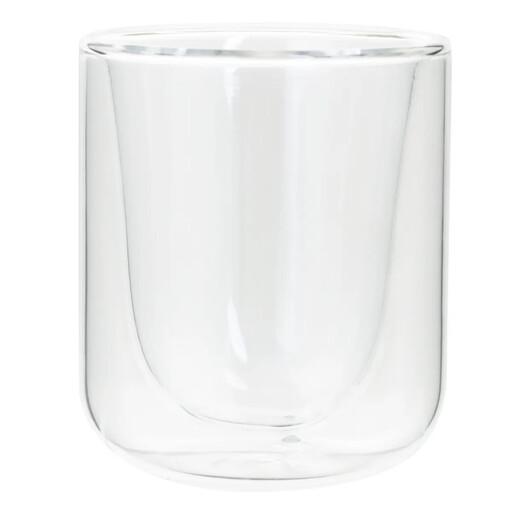
Why this product suits this profile: The double-walled design and borosilicate glass are tailored to espresso and small coffee specialities.
The product details clearly distinguish between microwave suitability and the prohibition on oven use. Extreme temperature changes should nevertheless be avoided.
8 cl capacity, double-walled borosilicate glass and confirmed suitability for dishwashers and microwaves.
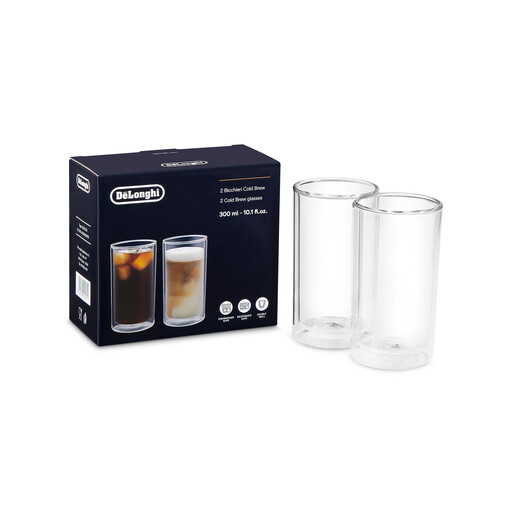
Why this product suits this profile: This two-piece set, with each glass holding up to 300 ml, is designed for households, cafés or hosts who regularly serve cold coffee drinks.
The set size and capacity are clearly stated. This allows buyers to check whether two glasses are sufficient for their needs or whether a larger glass set would be more suitable.
Two glasses with a capacity of up to 300 ml and confirmed dishwasher suitability for cold coffee drinks.
We have put together a complete, regularly updated list of products that fully meet these strict selection criteria and the safety regulations applicable in the EU.
For everyday use, versatile drinking glasses and suitable wine glasses provide a practical foundation. If you drink coffee regularly, add coffee glasses or espresso glasses to your collection. Specialised models for cocktails, whisky or cold brew are worthwhile if these drinks are served regularly.
Many double-walled glasses are designed for hot and cold drinks. However, this only applies if it is expressly stated in the relevant product details. Pay attention to the material, microwave suitability, temperature information and recommended cleaning method.
Their service life depends on the material, wall thickness, handling and cleaning. Knocks, stacking glasses inside one another and major temperature changes increase the risk of breakage. Dishwasher-safe glasses should be positioned securely and removed carefully once the programme has finished. Damaged glasses should be replaced for safety reasons.