
Lieferung heute & morgen

Qualitätsgarantie

Willkommens-Angebote freischalten: KOSTENLOSE Lieferung | Bis zu 80 % RABATT | Kostenlose 30-Tage-JoyPlus-Testphase
App herunterladen
Whether you are looking for drinking glasses, storage jars or a glass drinks dispenser, the choice may initially seem straightforward. On closer inspection, however, it depends on many details. Capacity, material, closure and care instructions all determine whether a product is genuinely suitable for everyday use.
For households, hosts, coffee lovers, cafés and restaurants, three common purchasing pitfalls are particularly important:
Standard glass is often suitable for cold drinks and general table decoration. For hot drinks, it is important to check whether the item is explicitly approved for this purpose. Borosilicate glass offers greater resistance to changes in temperature than conventional glass, but it is not unbreakable. A sudden change from a freezer to boiling liquid can still cause stress in the glass.
Double-walled glasses have an insulating layer of air between the glass walls. This can make the outside more comfortable to hold when serving hot drinks. Nevertheless, you must still follow the specific instructions regarding microwave, oven and dishwasher use.
Also check whether the item is actually made from glass. The Estiva PS Tumbler, for example, is made from polystyrene (PS). According to the product details, it holds 380 ml, weighs just 0.055 kg and is intended for daily use indoors and outdoors. It therefore belongs to a different product category from a traditional glass drinking glass.
The size should suit both the portion and the available storage space:
As well as the capacity, check the diameter, height and weight. A tall wine glass needs more space in the cupboard and may be more difficult to fit into the dishwasher. For storage jars, the opening is important so that food can be added and removed easily.
For storage jars, the lid should suit the contents. An airtight closure can be useful for dry foods such as coffee, tea, nuts or biscuits. According to the product description, the 700 ml jar with begonia pattern has an airtight closure. It should only be used for liquids if the manufacturer expressly states that it is suitable.
With drinks dispensers, the tap, lid and cleaning requirements are particularly important. Models with a capacity of 3.3 or 4 litres are described as suitable for cold or room-temperature drinks and are not dishwasher- or microwave-safe. The tap must be closed before filling and should also be fully closed after serving.
Clear product information is important for food contact. Several items state that they are suitable for food contact and comply with Regulation (EC) No 1935/2004. This does not replace checking the individual instructions for use.
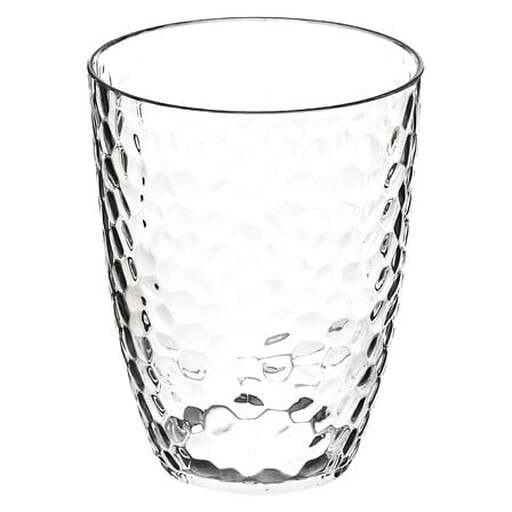
Why this product suits this profile: The transparent 380 ml cup is lightweight and, according to the product description, resistant to damage from being dropped. It is suitable for water, juice and use indoors or outdoors.
The PS material specification makes it clear that this is not a glass container. This helps distinguish its glass-like appearance from the actual properties of the material.
380 ml capacity, transparent appearance and a stated weight of 55 g.
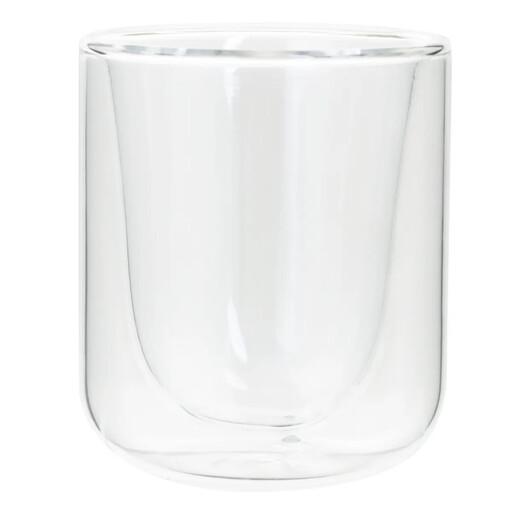
Why this product suits this profile: The 8 cl espresso glass, made from double-walled borosilicate glass, is aimed at coffee lovers who pay attention to the material, precise portion size and clearly defined care instructions.
The product details clearly state the material, capacity and suitability for dishwasher and microwave use. Oven use is excluded.
Double-walled construction, 80 ml capacity, transparent finish and borosilicate glass.
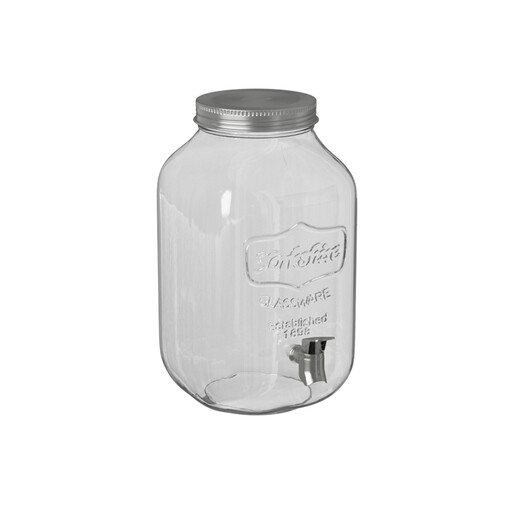
Why this product suits this profile: The 4-litre glass drinks dispenser is designed for parties, buffets, catering and frequent self-service with cold or room-temperature drinks.
The instructions clearly define the permitted uses: no hot liquids, no microwave use and hand washing only.
4-litre capacity, integrated tap and a visible fill level through the transparent glass walls.
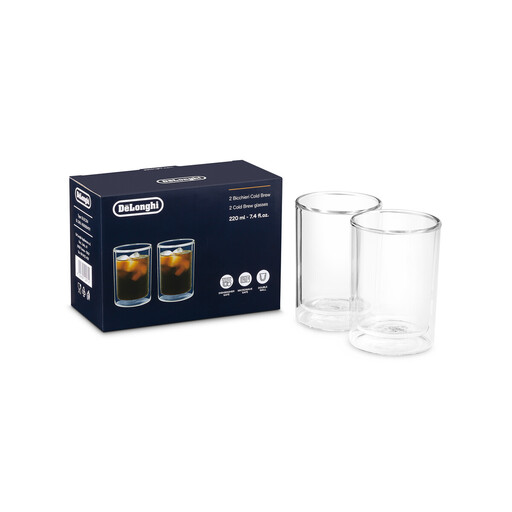
Why this product suits this profile: The two-piece set, with each glass holding up to 220 ml, is aimed at households that want to serve iced coffee drinks in the right portion size.
The set contents and capacity are clearly stated. This helps you avoid choosing a single glass or a container that is too large for cold brew.
Two glasses in the set, each with a capacity of up to 220 ml and, according to the product details, suitable for dishwasher use.
We have put together a complete, regularly updated list of products that fully meet these strict selection criteria and the safety regulations applicable in the EU.
Double-walled glasses made from borosilicate glass may be intended for hot drinks, provided this is expressly stated in the product description. Standard drinking glasses and wine glasses should not be filled with boiling liquids. The manufacturer’s instructions regarding microwave, dishwasher and temperature changes are decisive.
For water, juice and soft drinks, around 250 to 400 ml is practical for many households. If you often serve ice cubes or larger portions, you can choose a model holding around 380 to 450 ml. The available surface area, height and storage space remain key considerations.
Not automatically. An airtight lid can protect dry foods from air and moisture. Whether the jar is suitable for liquids, preserving or microwave use must be clear from the specific product details. With decorative jam jars, you should also check whether the lid and jar are approved for the intended preserving process.