
Lieferung heute & morgen

Qualitätsgarantie

Willkommens-Angebote freischalten: KOSTENLOSE Lieferung | Bis zu 80 % RABATT | Kostenlose 30-Tage-JoyPlus-Testphase
App herunterladen
A glass set can look more premium in product photos than it proves to be in everyday use. But when choosing what to buy, capacity, material, care instructions and intended use matter more than decorative descriptions. Check these details before you buy to avoid disappointment and find a set that suits your home, home bar or event.
Ribbed or textured surfaces, coloured coatings and especially thin rims can look attractive. However, they can affect how easy the glasses are to clean and stack, as well as how prone they are to breaking. Glasses with metallic details often need to be washed by hand, while simple highball glasses may be specifically labelled as dishwasher-safe.
Shatter-resistant glasses made from polypropylene or plastic are particularly well suited to parties, outdoor use and households with children. However, they’re not necessarily suitable for hot drinks. Plastic can also warp at high temperatures or be unsuitable for certain dishwasher programmes. Check the manufacturer’s guidance on temperature limits and cleaning before you buy.
A small whisky glass with a capacity of 250 or 300 ml is designed for spirits and servings with ice, but it isn’t automatically suitable for long drinks. A 700 ml gin glass has room for ice, tonic and a garnish, but it also takes up more storage space. For a drinking glass set for everyday use, 300 to 310 ml is often more practical than particularly large designs. For wine, the shape and capacity of the glass also affect how much you pour.
Traditional glass offers a clear finish, but it can be damaged by knocks and sudden temperature changes. Soda-lime glass isn’t automatically heat-resistant, so check whether the product details say it’s intended for cold drinks only. Don’t pour hot water into a cold glass unless the manufacturer confirms that it’s suitable.
For outdoor use, shatter-resistant glasses made from PP or durable plastic are a practical alternative. The “Wine Glass 160ml Pp 4pcs Transparent” set is described as fully shatter-resistant and dishwasher-safe. The PP material specification matters more here than the marketing description “crystal look”.
Even glasses labelled “dishwasher-safe” need to be treated with care. A gentle wash cycle, enough space between items and placement in the top rack can help reduce scratches and cloudiness. Hand-washing may be best for decorative coatings, ceramic glazes or textured surfaces. Don’t stack stemmed glasses inside one another if this puts pressure on the rim.
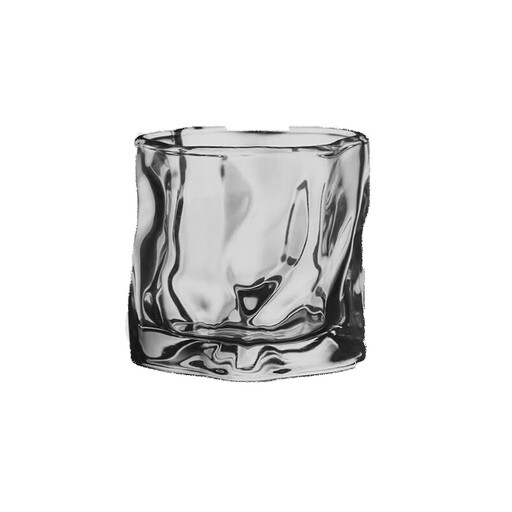
Why this product suits you: This two-piece set has a capacity of 250 ml and is designed for smaller households, spirits and anyone starting to build a home bar.
The clearly stated capacity helps prevent you from accidentally buying a very large glass when you’re looking for a classic whisky glass.
Two glasses per set; 250 ml capacity according to the product name.
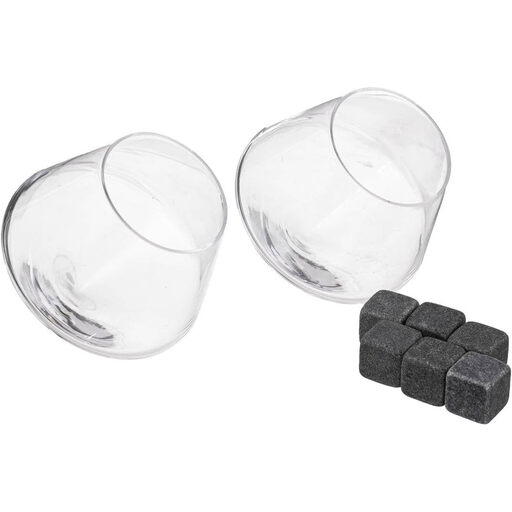
Why this product suits you: Two clear glasses with a capacity of 30 cl, plus whisky stones, are ideal if you value a coordinated serving experience.
The product details clearly state the material, capacity, dimensions and fragility. This makes it easier to weigh up your design preferences against the care involved.
30 cl per glass; two-piece set with whisky stones included, according to the product description.
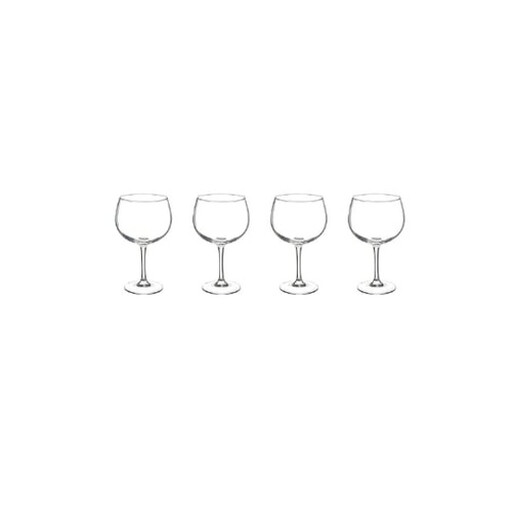
Why this product suits you: Four large balloon glasses with a 700 ml capacity are ideal for gin and tonic, ice cubes, tonic water and garnishes at home bar evenings or when entertaining.
The temperature range of 0 °C to 60 °C and suitability for cold drinks are clearly stated. This reduces the risk of using the glasses incorrectly with hot liquids.
Four glasses; 700 ml capacity; weighted base and dishwasher-safe on a gentle glassware cycle, according to the product details.
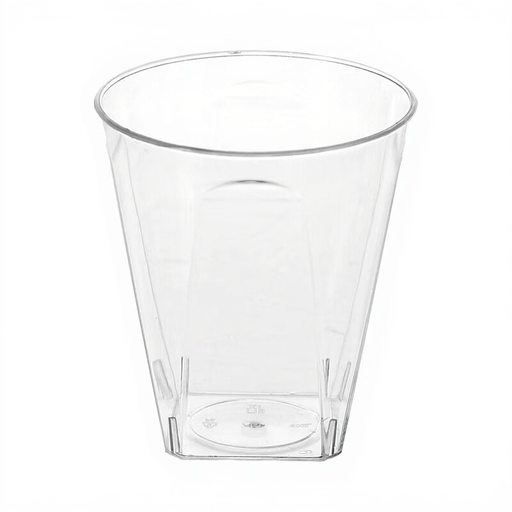
Why this product suits you: With 20 glasses and a small capacity of 6 cl, this set is designed for parties, receptions, tastings and outdoor use.
The product description states that the glasses are suitable for cold drinks, making it clear that the set isn’t intended as a substitute for hot drink glasses.
20 reusable plastic glasses; lightweight and shatter-resistant, according to the product description.
We’ve put together a complete, regularly updated list of products that meet these strict selection criteria and fully comply with the safety regulations in force in the EU.
For everyday meals, a drinking glass set with glasses all the same size is a good choice. The Secret de Gourmet set of six tall glasses holds around 310 ml each, is dishwasher-safe and is designed for soft drinks or cocktails. A wine glass set of four 160 ml PP glasses, by contrast, is designed to reduce the risk of breakages and suit outdoor use.
If you’d like the flexibility to serve red wine, sparkling wine and cocktails, consider a two-piece set with a capacity of 448 ml. Coffee cup sets made from ceramic or stoneware are a good addition for coffee and tea. The Richmount set includes four 390 ml cups with large handles; according to the product details, they’re dishwasher- and microwave-safe. The small 120 ml ceramic cups are better suited to espresso, desserts or small servings, and are recommended for hand-washing.
For everyday use, four to six glasses is a practical starting point. If you often have guests, keep some spares or choose a larger glass set for parties and home. For specialist shapes such as gin or wine glasses, two to four is enough to start with, unless you use them every day.
Models with clear care instructions and a dishwasher-safe finish are generally easiest to care for. A gentle wash cycle is still a good idea. Plastic glasses reduce the risk of breakages, while glass and ceramic models can be damaged by knocks. Coated or decorated surfaces often need to be washed by hand.
How long it lasts depends on the material, how you use it, how you clean it and how you store it. Knocks, contact with metal in the dishwasher and sudden changes in temperature can all shorten its life. Don’t continue using damaged glasses. Check them regularly for cracks, chips and scratches so you can remove any unsuitable ones in good time.