
Lieferung heute & morgen

Qualitätsgarantie

Willkommens-Angebote freischalten: KOSTENLOSE Lieferung | Bis zu 80 % RABATT | Kostenlose 30-Tage-JoyPlus-Testphase
App herunterladen
Choosing the right glassware can be more complex than it first appears. Often, misleading marketing claims or an appealing design lead to purchases that prove impractical or short-lived in daily use. A glass that turns cloudy after a few washes, or a wine glass whose delicate stem breaks at the first toast, are common frustrations. This guide will help you identify typical pitfalls and make an informed decision based on objective criteria.
Before we dive into the selection criteria, it's important to know the most common issues that lead to disappointment.
To avoid a bad purchase, you should focus on three verifiable properties.
The type of glass is the main factor determining its uses and care requirements.
The shape of a glass is not arbitrary; it serves a specific purpose.
Pay attention to the manufacturer's cleaning instructions. "Dishwasher-safe" doesn't always mean the glass will remain brilliant forever. Aggressive detergents and high temperatures can lead to glass corrosion (cloudiness). For food contact, glassware in the EU must comply with Regulation (EC) No 1935/2004, which ensures that no harmful substances migrate into the food.
Here are some recommendations tailored to specific user profiles that avoid the pitfalls mentioned.
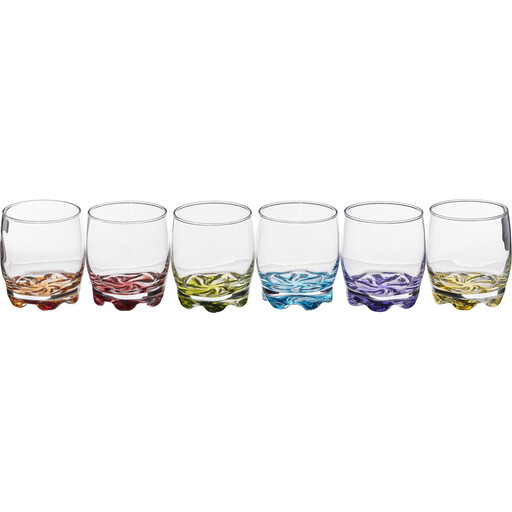
Why this product is a good fit: Ideal as a starter kit or for daily use. This set is a straightforward all-rounder for water, juice, or spritzers. The classic tumbler shape is timeless and space-saving in the cupboard.
The set doesn't make any exaggerated claims. It's an honest product made from standard glass for cold drinks. The simple, straight shape prevents cleaning issues and ensures a stable base (avoids pitfall 2).
A 6-piece set offers great value for money. The coloured bases are a practical detail for distinguishing glasses at gatherings.
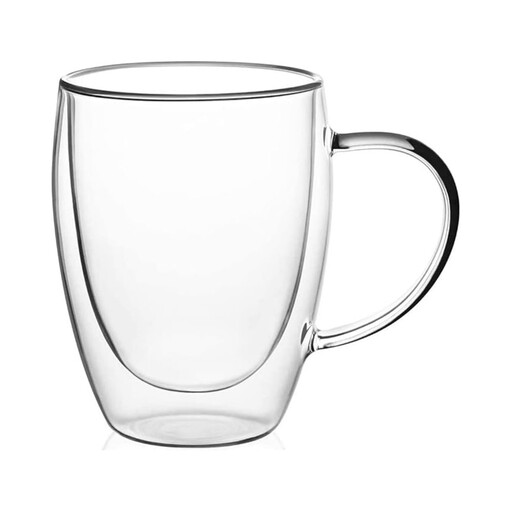
Why this product is a good fit: Perfect for anyone who wants to enjoy hot drinks like latte macchiato, cappuccino, or tea in style and at the optimal temperature. The handle offers extra comfort and safety.
These mugs are made of borosilicate glass and are explicitly designed for hot beverages, which minimises the risk of thermal shock (avoids pitfall 1). The double-walled construction keeps the outside cool, solving the problem of hot handles (avoids pitfall 2).
The insulating effect keeps drinks at the desired temperature for longer. The clear design allows for an attractive presentation of layered coffee specialities.
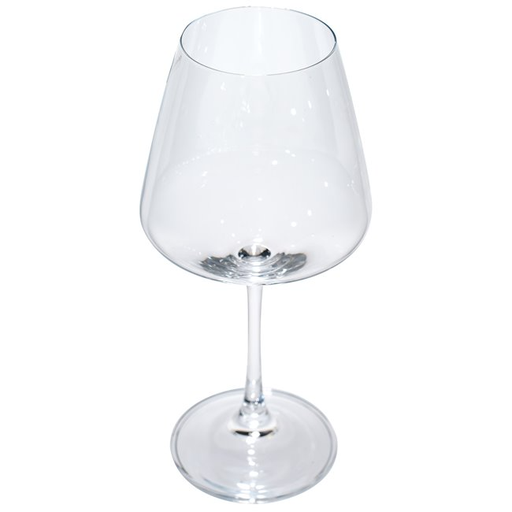
Why this product is a good fit: For wine lovers and hosts who value a correct and elegant presentation. This glass is specially shaped to enhance the bouquet of red and white wines.
This glass is a specialist, not a generalist. It is declared as Crystalline glass, which promises high brilliance and clarifies the material question (avoids pitfall 3). The clear usage instructions (e.g., not microwave-safe) provide transparency about the material's limitations.
The generous 36 cl bowl shape provides ample room for swirling, allowing the wine's aromas to develop optimally. The long stem ensures correct handling.
We have compiled a complete, up-to-date list of products that fully meet these strict selection criteria and European safety regulations.
1. What is the difference between crystal glass and regular glass? Regular glass (soda-lime glass) is the standard for everyday glassware. Crystal glass (or Crystalline) contains metal oxides (historically lead, now typically barium, zinc, or potassium) that give the glass a higher density and refractive index. The result is superior brilliance and a clear ringing sound when toasted, making it ideal for high-quality wine glasses.
2. Can double-walled glasses really go in the dishwasher? Yes, most double-walled glasses made of borosilicate glass are dishwasher-safe. There is often a small, sealed opening on the bottom that serves to equalise pressure during the manufacturing process. It is recommended to use a gentle wash cycle and ensure the glasses do not knock against other hard objects to avoid damaging the seal.
3. Why does a glass sometimes break for no apparent reason? This is usually the result of thermal shock or micro-cracks. When a glass (especially one made of soda-lime glass) is exposed to a rapid temperature change, stress builds up in the material. This can lead to a break either immediately or later on. Invisible scratches from improper cleaning (e.g., with steel wool) can also weaken the structure and cause a subsequent fracture.