
Lieferung heute & morgen

Qualitätsgarantie

Willkommens-Angebote freischalten: KOSTENLOSE Lieferung | Bis zu 80 % RABATT | Kostenlose 30-Tage-JoyPlus-Testphase
App herunterladen
Choosing the right glassware can be more challenging than it first appears. Whether for everyday use, special occasions, or proper food storage, the selection is vast, and differences in quality often only become apparent after purchase. As your Joybuy Product Recommendation Officer, I'm here to help you navigate the common pitfalls and make an informed decision that suits your lifestyle.
Many buyers are swayed by appealing product photos or marketing promises that don't hold up in practice. Watch out for these three common issues to avoid disappointment:
To avoid a purchase you'll regret, you should focus on objective criteria. These three aspects are crucial for the quality and longevity of your new glassware.
The type of glass is a key determinant of its applications and durability.
Think carefully about the intended purpose of your glasses.
Shape is a matter of function as well as aesthetics. Whisky glasses often have a bulbous shape to concentrate the aromas, while tall, narrow glasses are suitable for water or juice. Look for a smooth, polished rim for a comfortable drinking experience and a stable, sturdy base.
To make your decision easier, we've put together product recommendations for different user profiles.
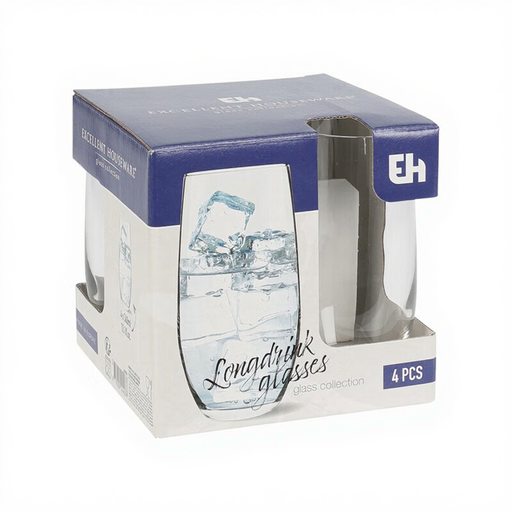
Why it's a great fit: Ideal for households looking for a straightforward and durable drinking glass set for everyday use. The simple design complements any dinnerware, and the 360 ml size is versatile enough for water, juice, or spritzers.
This set focuses on solid core functionality without superfluous design elements. Its classic shape is easy to clean and stable, which prevents the "impractical design" pitfall.
A functional and durable all-rounder set that seamlessly integrates into daily life and offers excellent value for money.
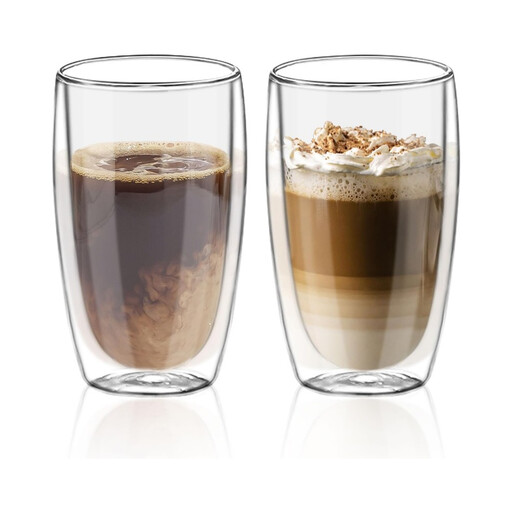
Why it's a great fit: For anyone who wants to enjoy their coffee or tea in style and at the perfect temperature. The double-walled construction provides excellent insulation, and the tall shape is ideal for latte macchiatos or large teas.
These glasses are made of borosilicate glass, which is proven to be resistant to thermal shock. This actively avoids the pitfall of misleading "heat resistance."
Keeps hot drinks warmer for longer and cold drinks cooler for longer, without the exterior becoming uncomfortably hot or cold. Also microwave-safe.
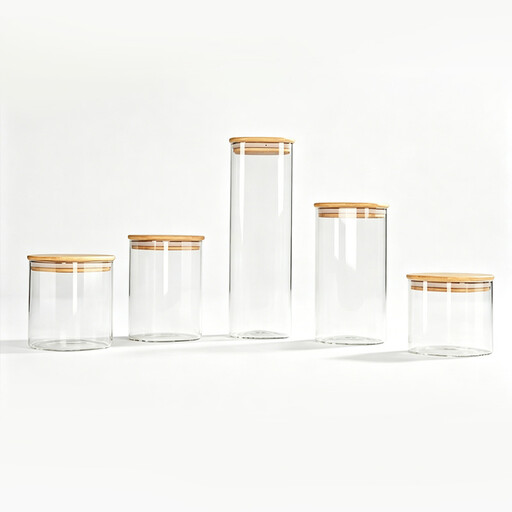
Why it's a great fit: This set of storage jars is perfect for anyone who wants to keep their kitchen tidy and food fresh. The five different sizes offer flexibility for storing grains, pasta, coffee, and more.
Instead of just focusing on aesthetics, the emphasis here is on functionality. The airtight lids on these glass containers with lids prevent food from losing quality—a practical benefit that goes beyond pure design.
A complete food storage system that is hygienic, odour-neutral, and makes it easy to see contents at a glance thanks to the transparent glass.
We've compiled a complete, up-to-date list of products that fully meet these strict selection criteria and all relevant safety regulations.
The main advantage of borosilicate glass is its superior thermal resistance. It expands significantly less than conventional soda-lime glass when heated. This allows it to withstand sudden and extreme temperature changes without shattering, making it the safe choice for hot beverages like tea and coffee or for glass containers that go from the refrigerator to the microwave.
Although many double-walled glasses are advertised as dishwasher-safe, caution is advised. At the base of many of these glasses is a small, silicone-sealed hole used to equalize pressure during manufacturing. In the dishwasher, this seal can loosen over time, allowing water to seep between the glass layers and cause unsightly cloudiness. Gentle hand washing is therefore often recommended to maximize their lifespan.
Glass corrosion, which causes the milky appearance on glasses, results from a combination of high temperatures, harsh detergents, and soft water. To prevent this, you can take the following steps: choose a wash cycle with a lower temperature (around 50-55°C / 120-130°F), use the correct amount of detergent and rinse aid, and ensure the glasses are securely placed in the rack so they don't knock against each other. Higher-quality glassware is also often more resistant to corrosion.