
Lieferung heute & morgen

Qualitätsgarantie

Willkommens-Angebote freischalten: KOSTENLOSE Lieferung | Bis zu 80 % RABATT | Kostenlose 30-Tage-JoyPlus-Testphase
App herunterladen
The right glassware set should do more than complement a beautifully laid table. Capacity, glass shape, number of pieces and care instructions are all important. If you buy based solely on eye-catching design, you may later find that the glasses are too large for your kitchen cupboard, unsuitable for the dishwasher or impractical for the type of drink they are intended for.
This buying guide is aimed at households, hosts and drinks enthusiasts in Germany. It explains what to look for when choosing a drinking glasses set and which styles are best suited to different situations.
A glass with a capacity of 700 ml may seem flexible, but it is not automatically suitable for every drink. A large balloon glass can provide plenty of room for ice, tonic and garnish when serving gin and tonic. For water, juice or a small aperitif, however, it takes up unnecessary cupboard space.
So consider how you will actually use the glasses:
Terms such as crystal look or crystal-inspired design primarily describe the appearance. They are not definitive proof of the material used. A transparent 4-piece glass set can have a decorative appearance without being made from crystal glass.
You should therefore check the product details for material, capacity, dimensions and care instructions. Hand washing is often advisable for coated or metal-decorated glasses, helping to protect the surface from harsh detergents and friction.
Even with dishwasher-safe glasses, you should still choose the appropriate programme. Low temperatures, sufficient space between the glasses and other crockery, and a stable position all help to reduce the risk of scratches and thermal stress. Thin stems, wide rims and decorative coatings may be more delicate than simple drinking glasses.
The shape mainly affects handling, the amount of space available for ice and the way the drink is presented. A liqueur glass set with a capacity of 220 ml can also be used for aperitifs or dessert wine. For wine, the bowl shape, rim and stem all matter. For example, a wine glass set with a capacity of 409 ml offers more room for white or red wine than a small universal glass.
Different shapes are suitable for different types of beer. A beer glass set with a capacity of 370 ml and a gently tapered shape is designed for speciality beers such as wheat beer or craft beer. The stem allows you to hold the glass without direct contact with the bowl.
A whisky glass set with a capacity of 300 ml is suitable for smaller servings and classic spirits. Cognac is traditionally served in a wide bowl with a narrow rim, while gin glass sets with a wide balloon shape leave plenty of room for ice and garnishes. Long drink glass sets, on the other hand, are taller and narrower, making them practical for mixed drinks with a higher proportion of liquid.
A 4-piece glass set is suitable for a small household or a small gathering. A 6-piece glass set provides more spares for families and regular entertaining. If you frequently host parties, you may wish to consider a 12-piece cocktail glass set.
As well as the number of guests, consider the possibility of breakages and the need for replacements. With specialist glasses, starting with a smaller set is often more sensible than buying a large quantity if you only serve the drink occasionally.
Standard soda-lime glass is not automatically heat-resistant. Many glasses made from this material are intended for cold or room-temperature drinks. Never pour boiling water into a cold glass, and do not expose a hot glass to sudden cooling.
Depending on the product specifications, double-walled borosilicate glasses may be suitable for both hot and cold drinks. The instructions provided by the relevant manufacturer remain decisive. Damaged, chipped or deeply scratched glasses should no longer be used.
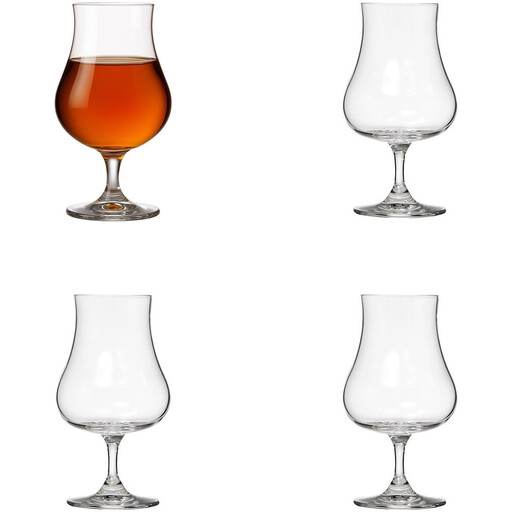
Why this product suits the profile: Four transparent glasses, each with a capacity of 220 ml, are suitable for liqueur, aperitifs and dessert wine. The manageable quantity is ideal for smaller households and occasional entertaining.
The stated capacity and number of pieces are clearly specified. Hand washing is recommended for the glossy-look finish rather than assuming unrestricted dishwasher use.
Set of 4 glasses, 220 ml capacity and a transparent, crystal-inspired design.
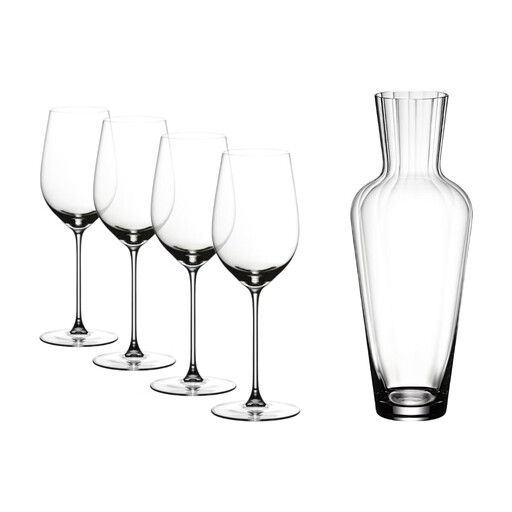
Why this product suits the profile: This set combines four wine glasses with a capacity of 409 ml and a Mosel decanter. It is aimed at wine enthusiasts and is suitable as a gift or for tastings.
The product description specifies the material, dimensions, capacities and contents. According to the product information, the components are also dishwasher-safe.
4 wine glasses plus 1 decanter; machine-made crystal glass and stated dishwasher suitability.
Why this product suits the profile: The four balloon glasses, each with a capacity of 700 ml, are designed for gin and tonic and aromatic cocktails with ice, mixers and garnishes. They are well suited to home bars and frequent entertaining.
The large capacity is clearly stated and linked to a specific use. The temperature range of 0 °C to 60 °C provides a clear guide to suitable applications.
70 cl per glass, wide opening, weighted base and a 4-piece set.
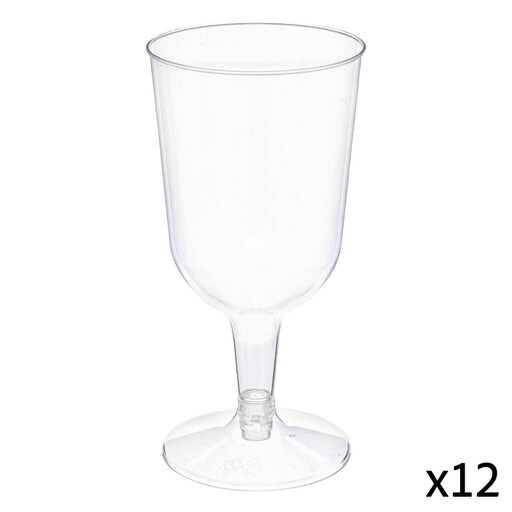
Why this product suits the profile: Twelve transparent glasses, each with a capacity of 150 ml, provide a coordinated selection for parties, larger gatherings and a range of lighter drinks.
The larger quantity reduces the need to combine mismatched individual glasses. The material, capacity and dishwasher suitability are stated in the product information.
12 pieces, 150 ml per glass, transparent design and dishwasher suitability according to the product information.
We have put together a complete, regularly updated list of products that fully meet these strict selection criteria and the safety regulations applicable in the EU.
For two to four people, a 4-piece glass set or 6-piece glass set is usually sufficient. Sets with 12 pieces are more practical if you regularly have guests or host larger celebrations. The decision also depends on whether you need a universal set or specialist wine glasses, beer glasses and cocktail glasses.
The specific manufacturer’s information is decisive. Products labelled as dishwasher-safe glasses should be cleaned using a gentle programme. Decorated, metal-coated or particularly thin-walled glasses may still benefit from being washed by hand.
Its lifespan depends on the thickness of the glass, how it is used, cleaning and storage. Impacts, sudden temperature changes and contact with hard objects increase the risk of breakage and scratches. A set will last longer in everyday use if damaged glasses are removed immediately and the remaining pieces are stored with sufficient space between them.