
Lieferung heute & morgen

Qualitätsgarantie

Willkommens-Angebote freischalten: KOSTENLOSE Lieferung | Bis zu 80 % RABATT | Kostenlose 30-Tage-JoyPlus-Testphase
App herunterladen
Finding authentic coffee that reflects the culture and taste of its origin country can be a challenge. Many products on the market are adapted for local tastes, losing their original character in the process. This guide is for anyone looking to discover specialty coffees and buy coffee from around the world. We'll introduce a selection of international coffee specialties and provide practical tips to help you curate your personal global coffee selection.
To find the perfect coffee for your taste and brewing method, a few objective criteria can help.
The grind size of the coffee powder is crucial for a successful brew. A very fine, almost powder-like grind is required for preparing Turkish Mokka in a Cezve (Turkish coffee pot). For an Italian ground espresso prepared in a Moka pot, a fine to medium grind is suitable. Conversely, a coarser grind is ideal for a French press or classic drip coffee, as it allows for a longer contact time with the water without over-extracting.
The two most well-known coffee bean types are Arabica and Robusta.
The roast profile—from light to dark—also significantly influences the flavour. A light roast highlights the bean's original acidity and aromas, while a dark roast brings out roasted notes like chocolate or caramel.
The terroir—the combination of climate, soil, and altitude—shapes the coffee's character. For instance, Vietnamese coffee is often bold and chocolaty, while coffees from South and Central America frequently have a balanced, nutty profile. Understanding the origin helps you to specifically order aromatic coffee online that matches your personal preferences.
Here is a curated selection of ground coffees, each representing an authentic coffee culture.
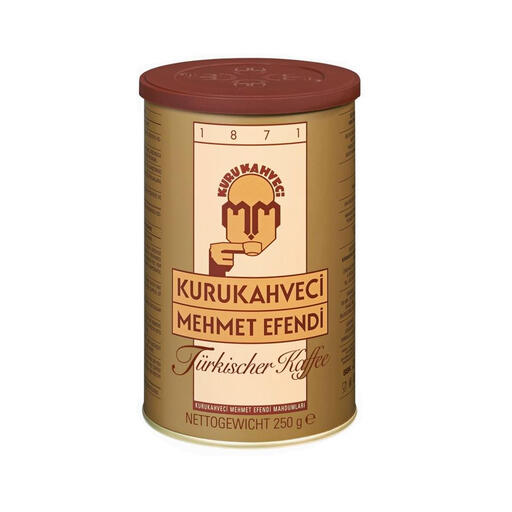
What sets it apart This coffee is produced by one of Turkey's most famous and traditional coffee producers. According to the manufacturer, it consists of 100% Arabica beans and is ground to a super-fine powder, which is essential for the traditional preparation of Turkish Mokka. The special packaging ensures that the coffee's aroma and freshness are preserved for a long time.
Pros
Who it's for This coffee is ideal for lovers of Turkish coffee culture or for those who want to recreate an authentic Mokka experience at home. It is suitable for people who appreciate a strong, full-bodied coffee with low acidity.
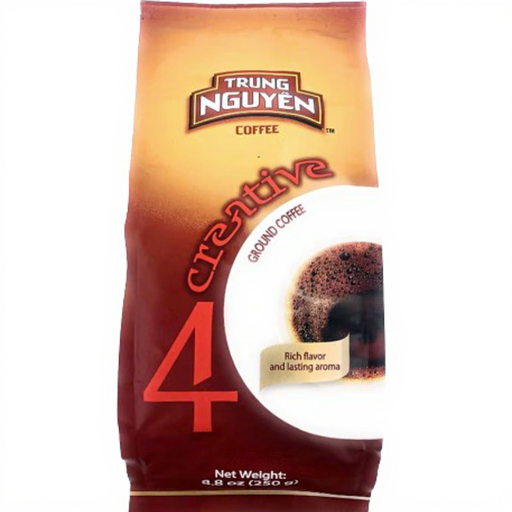
What sets it apart The Creative No4 from Trung Nguyen is a premium blend of four different bean varieties: Culi (a special single-bean variety), Arabica, Robusta, and Catimor. This composition gives the coffee a deep, complex, and strong flavour profile with a long-lasting finish. The grind size is specifically designed for preparation in a traditional Vietnamese Phin filter or a French press.
Pros
Who it's for This coffee is aimed at coffee drinkers seeking an intense and unconventional flavour profile. It's a great choice for anyone wanting to explore Vietnamese coffee culture, where it is often enjoyed with sweetened condensed milk.
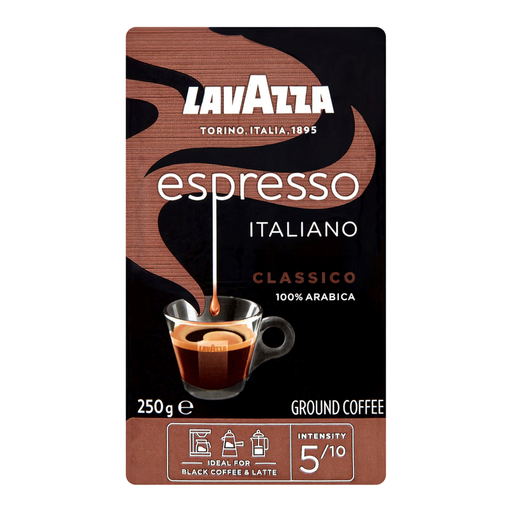
What sets it apart Lavazza Espresso Italiano Classico is a classic Italian blend of roasted and ground coffee beans. The blend consists of 100% Arabica beans from Africa, as well as South and Central America. With a light roast and a manufacturer-rated intensity of 5/10, this coffee offers a sweet and aromatic taste with floral and fruity notes. It is ideal for preparation in a Moka pot (stovetop espresso maker).
Pros
Who it's for This coffee is a fitting choice for those who appreciate the typical Italian espresso flavour but prefer a milder, more aromatic version. It is ideal for daily enjoyment and for users of stovetop espresso makers.
If our featured selection doesn't fully meet your needs or if you're looking for other specific coffee types, you can find additional alternatives in our wider collection. Discover more products in our Vegan Ground Coffee category, which also covers a variety of flavours and countries of origin.
1. What makes international coffee specialties so special? Their uniqueness lies in their diversity, which stems from various factors: specific growing conditions (terroir), the bean varieties used (e.g., rare local varietals), traditional roasting methods, and country-specific brewing techniques. Each cup tells a story about its origin.
2. How do I properly prepare Turkish Mokka? For the traditional preparation, add water, very finely ground coffee, and optional sugar to a Cezve (a small, long-handled pot). Stir the ingredients and heat the mixture slowly. Just before the coffee boils over, remove the pot from the heat, pour the foam into the cups, and bring the rest to a brief boil again. Then, slowly pour the coffee into the cups and let the grounds settle for a moment before drinking.
3. Can I use any coffee for an espresso? Theoretically, any coffee bean can be used for an espresso. However, special espresso blends, like the Lavazza Espresso Italiano, are optimised in their roast and grind to deliver a balanced result with a good crema when prepared under pressure in a Moka pot or an espresso machine. An incorrectly ground or roasted coffee can quickly lead to a sour or bitter result.