
Lieferung heute & morgen

Qualitätsgarantie

Willkommens-Angebote freischalten: KOSTENLOSE Lieferung | Bis zu 80 % RABATT | Kostenlose 30-Tage-JoyPlus-Testphase
App herunterladen
Anyone who wants to cook authentic international dishes at home often faces a challenge: conventional supermarkets rarely stock the specific ingredients needed for a recipe's original flavour. The internet offers a solution, but buying international groceries online is fraught with pitfalls that can lead to disappointment and wasted money. This guide will help you separate the wheat from the chaff and zero in on the right products for your kitchen.
As a Joybuy Product Recommendation Officer, I analyse market information to provide you with objective, practical shopping advice that goes beyond marketing hype.
Navigating the vast selection of international foods can be overwhelming. Pay close attention to these three points to avoid making a bad purchase:
To ensure you get authentic ingredients that meet the demands of your recipes, you should check three core parameters.
Established brands from the respective countries of origin are often a reliable indicator of authenticity. Companies like TRS for Indian spice mixes or Squid Brand for Thai fish sauce have specialised in producing traditional products for decades. Check if the brand is well-known in its home region. This minimises the risk of getting a product that has been heavily altered for export.
A thorough analysis of the ingredients is essential.
The form of the product is crucial for its application. Whole spices like cardamom pods or peppercorns release their aroma more slowly and are well-suited for stews or for fresh grinding. Ground powders are convenient for marinades and quick dishes but lose their aroma more quickly. With chili sauces, the consistency—from thin to thick—can make all the difference in whether it's suitable for dipping, marinating, or as an ingredient in a soup.
Based on these objective criteria, we have compiled a selection of products suitable for different culinary projects.
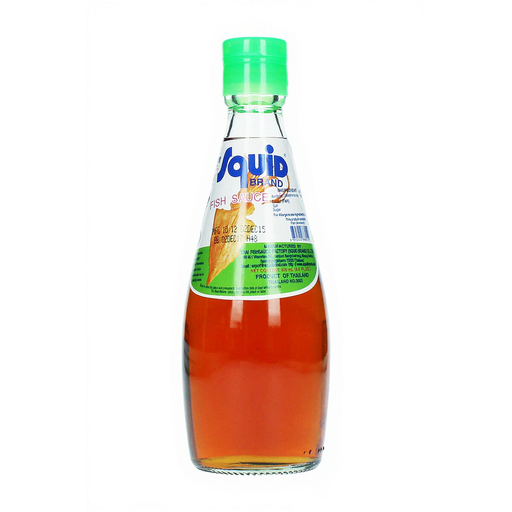
Why This Fits Their Persona: This fish sauce is a fundamental ingredient in countless Thai and Vietnamese dishes. It delivers the essential umami depth and is the ideal starting point for achieving authentic flavours at home.
With a declared anchovy extract content of 77%, this product avoids the trap of "watered-down" or overly salted sauces. It offers pure, concentrated flavour instead of vague seasoning.
High concentration of anchovy extract for a deep umami flavour. Versatile for use in soups, marinades, and dips.
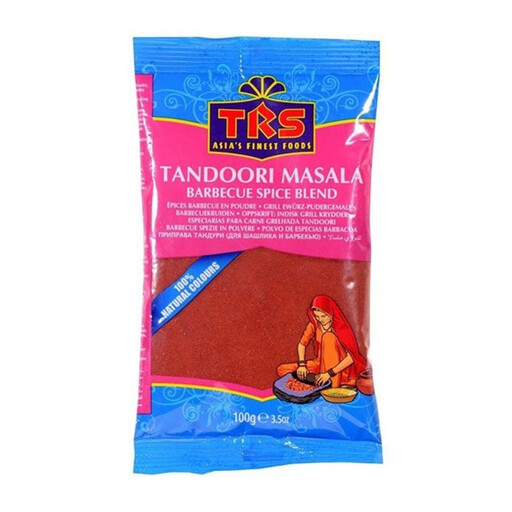
Why This Fits Their Persona: Ideal for home cooks who want to replicate the characteristic smoky, spicy flavour of Tandoori dishes without having to buy all the spices individually.
According to the manufacturer, this blend contains over 20 specific spices and herbs. It bypasses the trap of generic "curry powders" with a complex recipe tailored for Tandoori dishes.
Specific spice blend for authentic Tandoori flavour. Excellent for marinades with yoghurt.
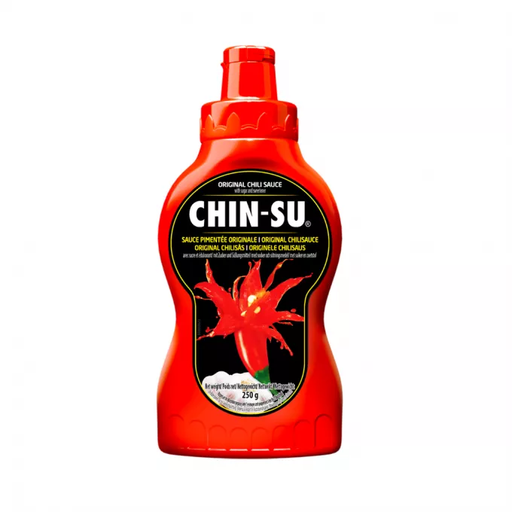
Why This Fits Their Persona: For anyone looking for a chili sauce with a balanced, sweet-and-spicy flavour profile and a unique texture. It's an icon of Vietnamese cuisine and is distinctly different from other well-known sauces.
The use of sweet potato as a thickener gives the sauce a rich consistency that clings to food. This avoids the disappointment of watery sauces with one-dimensional heat.
Unique, rich texture. Balanced ratio of heat, sweetness, and garlic flavour. Ideal as a dipping sauce.
We have compiled a complete, up-to-date list of products that fully meet these strict selection criteria.
1. How do I properly store international spices and sauces to preserve their flavour? Spices, especially ground ones, should be stored in airtight containers in a cool, dry, and dark place. Direct sunlight and moisture are the biggest enemies of flavour. Opened sauces, like fish sauce or chili sauces, generally belong in the refrigerator to maintain their freshness and colour. Always follow the storage instructions on the packaging.
2. How can I identify authentic Asian spices online? Look for three key features: a well-known brand from the country of origin (e.g., TRS, Haidilao, Squid Brand), a clear and complete ingredient list without unwanted fillers, and a specific product name that goes beyond generic terms like 'Asian' (e.g., 'Vietnamese Pho Spices' instead of 'Soup Seasoning').
3. What is the difference between Tandoori Masala and Garam Masala? Although both are central Indian spice mixes, they have different uses. Tandoori Masala, like the one from TRS, is a special blend for marinades that often contains paprika for its red colour and is intended for grilled or oven-baked (Tandoor) dishes. Garam Masala (a similar blend is the TRS Gamala Powder) is an aromatic finishing mix, often added at the very end of the cooking process to curries and stews to intensify the aroma. It is typically less spicy and contains 'warming' spices like cinnamon, cloves, and cardamom.