
Lieferung heute & morgen

Qualitätsgarantie

Willkommens-Angebote freischalten: KOSTENLOSE Lieferung | Bis zu 80 % RABATT | Kostenlose 30-Tage-JoyPlus-Testphase
App herunterladen
Whether you're cycling, hitting the ski slopes, or working, the right gloves are crucial for comfort, protection, and performance. However, the market is overwhelming, and many products fail to live up to their descriptions. Misleading material claims or ill-suited designs can quickly lead to a poor purchase. This guide will help you identify the key features and find a model that is perfectly tailored to your needs.
Many buyers focus on superficial features like material thickness or generic marketing claims, which often leads to disappointment. Pay special attention to these three common problems:
To avoid making the wrong choice, you should focus on objective and functional criteria. The following three aspects are central to most applications.
The outer material determines durability, while a membrane provides weather protection.
Thermal performance depends on the type of insulation and the construction.
Different details are important depending on the intended use.
Here are some models that are suitable for specific user profiles based on their technical specifications.
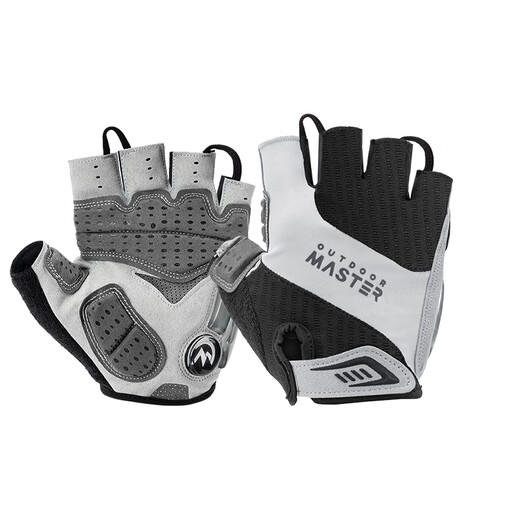
Why This Fits Their Persona: This model is tailored to the needs of cyclists who value grip and shock absorption without compromising on dexterity. Ideal for long rides and daily commutes.
It avoids the pitfall of poor functionality by focusing not on maximum insulation, but on breathability and padding at the relevant pressure points on the palm.
Targeted padding to dampen vibrations; breathable upper material for excellent climate comfort.
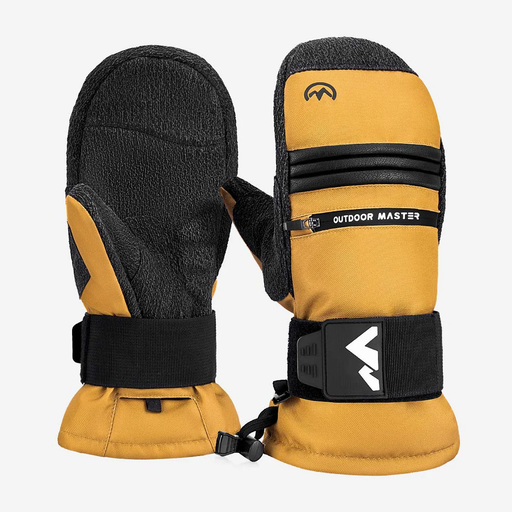
Why This Fits Their Persona: These mittens are designed for skiers and snowboarders who need maximum thermal protection and durability in cold, wet conditions on the slopes.
It bypasses the traps of false waterproofing and deceptive insulation by using a TPU membrane and 3M insulation. The mitten shape maximises heat retention.
High thermal insulation due to mitten construction; waterproof and windproof; Kevlar reinforcements for durability.
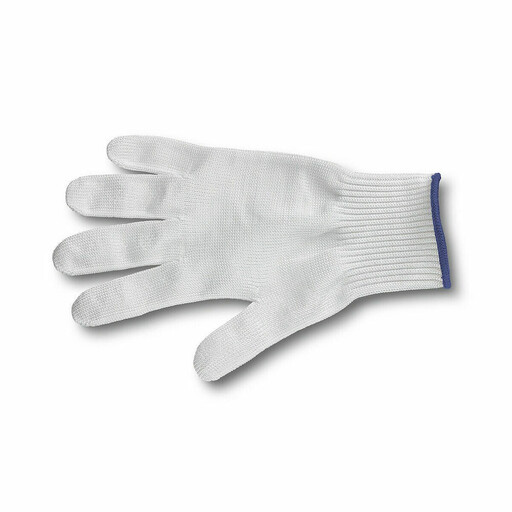
Why This Fits Their Persona: Designed for use in food processing, butcher shops, or slaughterhouses, where reliable protection against cuts is required while maintaining high dexterity.
This product is a highly specialised protective glove. It doesn't try to be a jack-of-all-trades, but instead performs a single function—cut protection—at a professional level.
Exceptionally high cut resistance due to stainless steel wire; flexible and comfortable for extended wear.
We've compiled a complete, up-to-date list of products that fully meet these strict selection criteria and relevant safety regulations.
Measure the circumference of your hand at its widest point (across the knuckles, excluding the thumb). Compare this measurement with the manufacturer's size chart. A well-fitting glove should be snug without cutting off circulation and leave only minimal room at the fingertips.
Water-resistant means the outer material has been treated (often with a DWR coating) to withstand light rain or splashes. With sustained rain or pressure (e.g., gripping a wet ski pole), water will penetrate. Waterproof means a special membrane (e.g., TPU or Gore-Tex) is integrated into the glove, which blocks water molecules from entering but allows sweat vapour to escape.
Yes, as a rule, mittens are warmer. Because the fingers are not separated from each other, they can share warmth. This reduces the surface area over which heat is lost. The disadvantage is significantly less dexterity, making them unsuitable for activities that require fine motor skills.