
Lieferung heute & morgen

Qualitätsgarantie

Willkommens-Angebote freischalten: KOSTENLOSE Lieferung | Bis zu 80 % RABATT | Kostenlose 30-Tage-JoyPlus-Testphase
App herunterladen
Whether for washing dishes, gardening, or professional use—gloves are indispensable for protecting our hands. But buying them is often more complicated than it seems. Many products don't live up to their promises, leading to frustration instead of protection. As your Joybuy Product Recommendation Officer, I'll help you navigate the common pitfalls and make an informed decision.
The selection is vast, but not every glove is suitable for every purpose. Vague product descriptions or exaggerated advertising claims often lead to a poor choice. Here are two common frustrations:
To avoid a bad buy, you should check a few fundamental parameters before making a decision. These objective features will help you assess a glove's quality and suitability.
The material is the most important characteristic and largely determines the intended use.
The choice between disposable and reusable gloves depends on the application.
A well-fitting glove is safer and more comfortable. Pay attention to the correct size (usually S, M, L) to prevent slipping or constriction.
If you need gloves for food handling, the appropriate certification is essential. Look for the glass-and-fork symbol. It confirms that the material is suitable for contact with food and does not release any harmful substances.
Based on these objective criteria, we have compiled a few products for different user profiles.
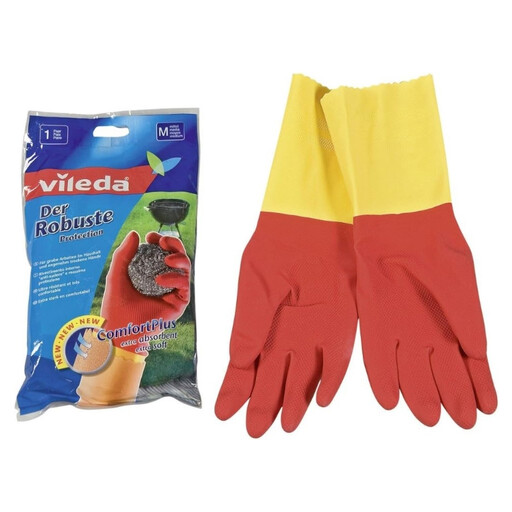
Why This Fits Their Persona: Ideal for demanding cleaning tasks around the house. This glove is designed for users seeking a durable solution for daily contact with water and cleaning agents.
Avoids the problem of flimsy "robust" gloves with a three-layer construction and neoprene coating, which the manufacturer claims provides increased tear resistance.
The ComfortPlus inner lining absorbs moisture and protects hands from heat and cold. The long cuff offers additional protection.

Why This Fits Their Persona: Suitable for professional users in medicine, food service, or cosmetics, as well as for hygienic use in private households, especially for food preparation.
Solves the problem of hidden risks: The product is explicitly declared as latex-free and the material thickness is precisely specified (e.g., finger ≈ 0.08 mm), which creates transparency.
Powder-free to prevent contamination and micro-textured for a secure grip. Suitable for short-term, indirect contact with food.
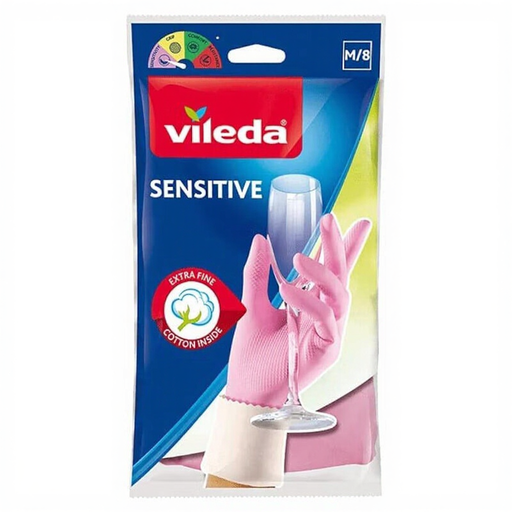
Why This Fits Their Persona: Perfect for users who need a high degree of tactility for light cleaning tasks or washing dishes and who value comfort.
Addresses the problem of poor sensitivity. According to the manufacturer, it is made of extra-fine latex to ensure maximum tactile feel, setting it apart from bulky standard gloves.
The cotton inner lining ensures high wearing comfort and can reduce skin irritation. The continuous grip profile provides a secure hold.
We have compiled a complete, up-to-date list of products that fully meet these strict selection criteria and UK/EU regulations.
Look for the glass-and-fork symbol on the packaging. According to European Regulation (EC) No. 1935/2004, this pictogram indicates that the material has been tested and is safe for direct contact with food. If this symbol is missing, the gloves should not be used for food preparation.
The main difference is the material. Latex gloves are made from natural rubber, are very elastic, and offer good tactile sensitivity. However, they can cause allergies. Nitrile gloves are made from synthetic rubber, are latex-free, and are therefore a good alternative for allergy sufferers. They are also more resistant to oils, fats, and certain chemicals, and have higher puncture resistance.
To maximise the lifespan of your household gloves, you should rinse them on the outside with clean water after each use. Then let them air dry, but avoid direct sunlight or proximity to heaters, as this can make the material porous. Storing them in a cool, dry place will further protect the material.