
Lieferung heute & morgen

Qualitätsgarantie

Willkommens-Angebote freischalten: KOSTENLOSE Lieferung | Bis zu 80 % RABATT | Kostenlose 30-Tage-JoyPlus-Testphase
App herunterladen
By the Joybuy Product Recommendation Officer, August 30, 2026
A radiant complexion that looks healthy and fresh is a top priority for many when choosing makeup. A glow foundation promises just that: luminosity instead of a matte, powdery finish. However, the market is saturated with products whose promises are often more marketing than reality. Many users find that the hoped-for 'glow' quickly turns into an unwanted greasy shine, or that the foundation settles unflatteringly into fine lines.
To make an informed decision, it's crucial to know the common pitfalls and understand which product features truly matter.
In the search for the right foundation for a radiant complexion, many encounter recurring problems that can lead to a purchase you'll regret.
To avoid these pitfalls, you should check three key product characteristics before buying. These will help you find a foundation that supports an authentic, long-lasting, and radiant complexion.
The key to a true 'glow' lies in the formulation. Instead of relying on heavy oils, high-quality products use light-reflecting pigments or fine pearlescent particles. These capture and diffuse light, giving the skin a natural luminosity without making it look greasy.
Look for ingredients that support the skin's texture:
A good long-lasting foundation should maintain its luminosity and coverage for many hours without settling into fine lines or fading. Formulations with 'film-formers' or special polymer technologies adhere better to the skin and resist sweat and humidity.
An integrated Sun Protection Factor (SPF) is another important aspect. A foundation with SPF offers basic protection against daily UV radiation, which can contribute to premature skin aging. However, it's important to note that the SPF in a foundation typically does not replace a dedicated sunscreen, especially during prolonged sun exposure.
A natural-finish foundation should let your own skin tone show through rather than completely masking it. Glow foundations typically offer light to medium coverage that can be built up as needed. This allows you to selectively conceal redness and imperfections without creating a mask-like effect.
The choice of texture is also crucial. A liquid foundation or a serum foundation with a light, watery consistency often blends seamlessly and feels comfortable on the skin, making it a great choice for normal to dry skin types.
Based on the criteria mentioned, we have identified several products suitable for different needs and user profiles.
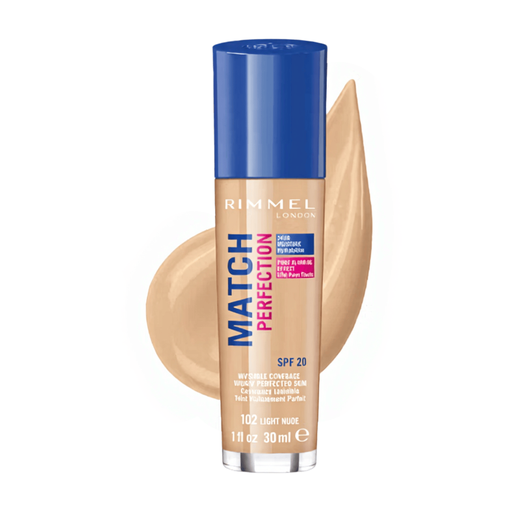
Why This Fits Their Persona: Ideal for those seeking a reliable and affordable foundation for daily use. It provides a natural finish and basic skincare properties without breaking the bank.
The formula, featuring 'Wonderlight Technology,' aims to visually soften pores and imperfections rather than just creating an oily sheen. This counteracts the 'greasy shine' effect.
Contains a 24-hour hydration complex and SPF 20, making it a practical option for daily wear.
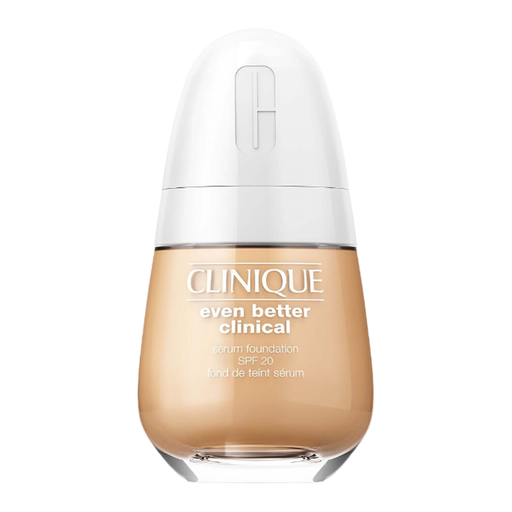
Why This Fits Their Persona: Perfect for users who expect more than just coverage from their makeup. This foundation combines medium to full coverage with the benefits of a serum.
The oil-free formula bypasses the 'greasy shine' effect. The radiant complexion is supported by skin-improving active ingredients like Vitamin C and hyaluronic acid, not by heavy oils.
Combines three serum technologies with ingredients like hyaluronic acid, salicylic acid, and Vitamin C. It offers a satin-matte, radiant finish and physical sun protection.
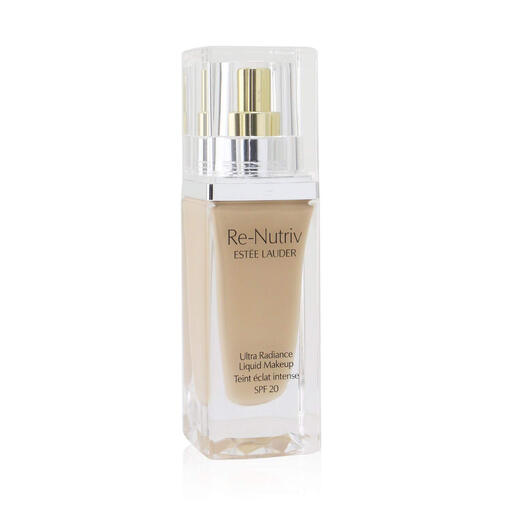
Why This Fits Their Persona: For users seeking a luxurious experience and a flawless, long-lasting result. This foundation combines high-end makeup technology with nourishing ingredients.
The formulation is designed for longevity, counteracting the problem of 'short-lived luminosity.' It ensures an even, radiant finish that lasts all day.
Contains nourishing ingredients like hyaluronic acid and jojoba oil, plus SPF 20. It provides medium to full coverage with a natural, radiant finish.
We have compiled a complete, up-to-date list of products that fully meet our strict selection criteria.
Skin prep is key for an optimal result. Cleanse and moisturize your skin before application. Use a primer suited to your skin type—a mattifying primer in the T-zone can help control unwanted shine. Apply the foundation sparingly with a brush, sponge, or your fingers, blending from the center of your face outwards. If needed, set the makeup with a light, translucent powder, especially in areas prone to shine.
Yes, in most cases, additional sunscreen is recommended. To achieve the SPF level stated on the packaging, you would need to apply a very thick layer of foundation, which would look unnatural. Think of the SPF in your foundation as an extra layer of protection over your daily sunscreen, not a replacement for it.
For mature or dry skin, hydrating formulas are ideal. Look for a serum foundation or a liquid foundation containing ingredients like hyaluronic acid, glycerin, or nourishing oils. These ingredients help to hydrate the skin and prevent makeup from settling into fine lines and wrinkles. A light to medium coverage often looks more flattering than high coverage, as it doesn't mask the skin's natural texture.