
Lieferung heute & morgen

Qualitätsgarantie

Willkommens-Angebote freischalten: KOSTENLOSE Lieferung | Bis zu 80 % RABATT | Kostenlose 30-Tage-JoyPlus-Testphase
App herunterladen
Whether you are wrapping presents, scrapbooking, carrying out repairs, preparing parcels or working with plasterboard: gluing and craft tools vary considerably in terms of materials, applications and ease of use. Choosing the right tool saves time and reduces inaccurate cuts, adhesive residue and unnecessary material waste. However, your choice should not be based solely on product images or marketing claims.
A tape dispenser does not automatically work with every roll. The key factors are roll width, core diameter and maximum tape length. For example, a dispenser designed for tapes up to 19 mm wide is not suitable for a 25 mm roll. With glue rollers, the replacement cassette must also fit the particular housing.
An inexpensive filling knife can quickly become impractical with frequent use if the blade warps or starts to rust. For a taping knife for plasterboard, blade width, blade material and handle design are important selection criteria. Occasional touch-ups require a different size from regularly smoothing larger wall areas.
A hot glue gun works with heated adhesive. Features such as automatic shut-off, a stand or an anti-drip nozzle can make the tool easier to handle, but they do not replace caution. The nozzle and liquid adhesive can become hot. Children should only use such devices in accordance with the manufacturer’s instructions and under supervision.
Transparent adhesive tapes around 15 to 18 mm wide are widely used in offices, schools and for light craft work. A desktop dispenser should stand securely or have a non-slip base. A serrated cutting edge allows for a straight cut, while a one-handed mechanism makes it easier to pack parcels and seal envelopes.
Check the following before buying:
For frequent dispatch tasks, holders with multiple rolls can be useful. They reduce the need for refilling, but require more storage space.
A glue roller usually applies adhesive either in dots or as a continuous strip. Even application is important for cards, journalling and scrapbooking supplies, so that the paper does not become badly wrinkled. With a set containing several rollers, the length of the adhesive strip per cassette should be considered alongside the availability of replacement cassettes.
A glue roller is not always suitable for larger areas or flexible materials. In these cases, adhesive tape, adhesive film or a liquid adhesive suitable for the material may be a better choice. For delicate photos and coated paper, testing on a leftover piece is recommended.
Cordless models offer freedom of movement at the craft table or when carrying out small repairs. However, a stated preheating time of 30 seconds only describes the intended start-up time; the ambient temperature and battery charge level can affect use. Look for:
For joint compound, filler or plaster, a smooth, sufficiently flexible stainless steel blade is practical. A width of 14 cm is suitable for applying and spreading material over limited areas. Additional widths may be useful for long joints or larger wall areas. After use, the blade should be cleaned immediately with water before the material hardens.
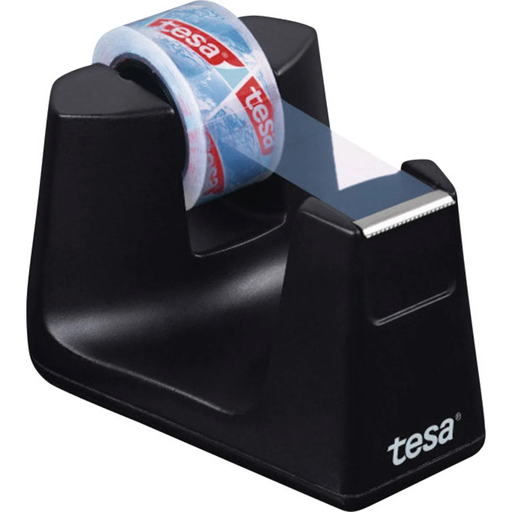
Why this product suits this profile: This desktop dispenser is designed for home offices, schools and simple craft projects, and comes with a transparent roll. It accepts tapes up to 19 mm wide and 33 m long.
The permitted roll width and the included roll are clearly specified. The anti-slip stop pad helps provide controlled one-handed operation.
Compact dimensions, a weight of 82 g, a serrated cutting edge and a housing made from 100% recycled plastic, according to the product description.
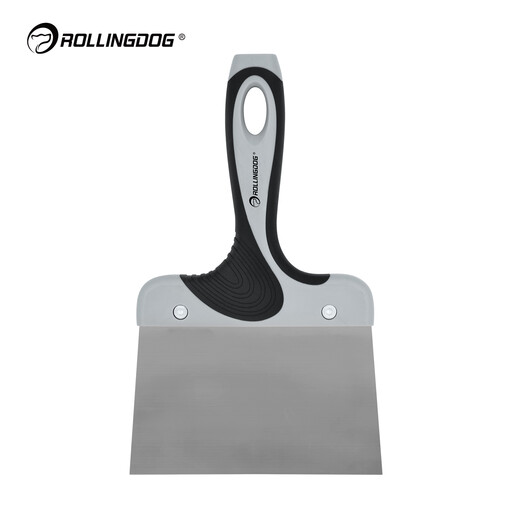
Why this product suits this profile: The 14 cm blade made from polished 420 stainless steel is aimed at DIY enthusiasts and users who want to apply and smooth joint compound or plaster with precision.
The blade is specified not just as a metal surface, but by its material, width and care instructions. This reduces uncertainty during renovation work.
Corrosion-resistant 420 stainless steel and an ergonomic rubberised handle, according to the product specifications.
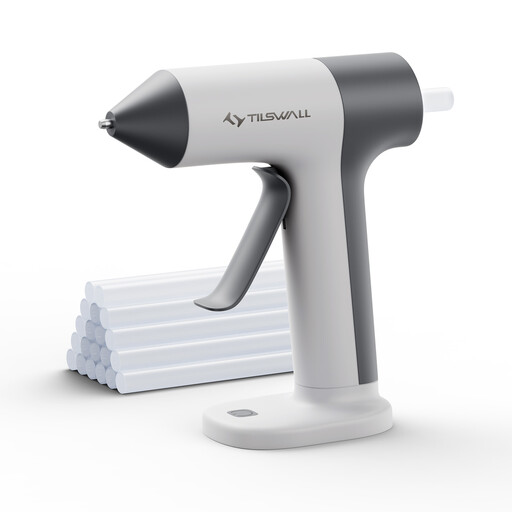
Why this product suits this profile: The cordless 4-V model with a 2,000-mAh battery is designed for DIY projects, decorations and smaller repairs without a mains cable.
The preheating time, glue stick dimensions, battery, shut-off function and stand are all specified. However, the nozzle remains hot and requires a heat-resistant work surface.
A stated preheating time of 30 seconds, up to 60 minutes of cordless use, a USB-C port and 20 glue sticks included in the set.
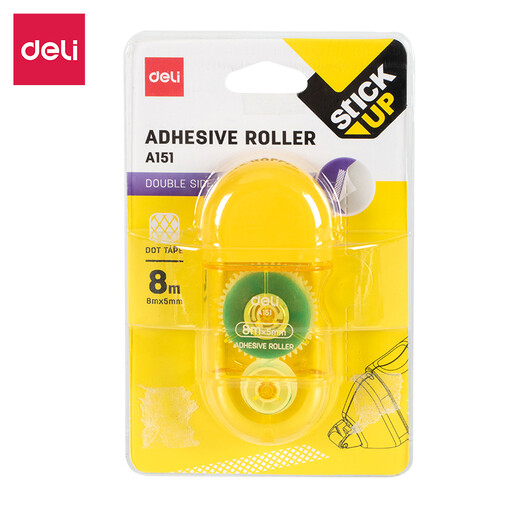
Why this product suits this profile: Several glue rollers are useful for cards, photo albums, journalling and scrapbooking supplies when adhesive needs to be applied neatly and precisely to paper.
A four-piece set can make it easier to replace an empty cassette. Before using it over a large area, check the adhesion on the particular type of paper.
Four glue rollers for craft projects; the product description states 8 m of adhesive tape per roller.
We have put together a complete, regularly updated list of products that fully meet these strict selection criteria and the safety regulations applicable in the EU.
Glue rollers are practical for scrapbooking when paper, photos or card need to be attached either in spots or with a narrow strip. Look for even application, the right cassette length and compatibility with coated paper. For valuable materials, testing on a sample piece is advisable.
Its lifespan depends on the cutting edge, housing material, frequency of use and care. A dispenser should not be used with rolls wider than its specified capacity. Dirt on the cutting edge can affect the quality of the cut. With a desktop model, the non-slip base should also be kept clean.
In addition to the purchase price, you will have to pay for glue sticks and, where applicable, electricity. The actual cost depends on the glue stick diameter, the size of the project and the amount applied. Anti-drip features can reduce material waste, but they cannot prevent glue sticks from being used up entirely.