Commuters avoiding gluten
If you’re looking for a crunchy snack to go with your train coffee and need to avoid gluten, an explicit gluten-free label is the first thing to check. Check the pack separately for any other ingredients you need to avoid.


Choose a snack to go with your train coffee based on the ingredients you personally need to avoid, rather than relying on a general free-from label. If you need to avoid gluten, look for an explicit gluten-free label. If you have a specific food allergy, also check the ingredients list and any ‘may contain’ warnings on the current pack. A handy format makes a snack easier to take on your journey, but it doesn’t replace these checks.
If you’re looking for a crunchy snack to go with your train coffee and need to avoid gluten, an explicit gluten-free label is the first thing to check. Check the pack separately for any other ingredients you need to avoid.
Whether you need to avoid peanuts, milk, soya or sesame, for example, it’s the labelling on the specific variety that matters—not a general description such as snack mix or free-from product.
If you don’t need to avoid any specific ingredients, you can choose from biscuits, crackers and other snacks for your journey based on pack size, flavour and nutrition information. But ‘oven-baked’ or ‘gluten-free’ doesn’t automatically mean a product is suitable for every dietary need.
When choosing a snack to go with your train coffee, any ingredients you personally need to avoid should take priority over pack size and convenience. Even if a product is explicitly labelled gluten-free, you should check separately for any other ingredients that matter to you.
| What to consider | What to check when buying | Who it matters to |
|---|---|---|
| Avoiding a specific allergen | Compare the highlighted ingredients and any ‘may contain’ warning with the substances you need to avoid. According to Germany’s Federal Ministry of Agriculture, Food and Home Affairs, the 14 most common causes of allergies and intolerances must be labelled. | I need to avoid a specific ingredient and want to know the current recipe, even for a familiar snack mix. Around 36% of consumers would put avoiding a specific allergen first. |
| Explicitly gluten-free | Look for a gluten-free label on the specific pack; check separately for any other allergens relevant to you. | For coffee on the go, I’m looking for a snack that’s explicitly labelled gluten-free, rather than assuming it’s suitable based on the type of grain. Around 29% of consumers would prioritise this label. |
| Plant-based or dairy-free options | If you avoid milk, check the ingredients for milk products. If you eat a plant-based diet, check the labelling on the specific variety. | I want to avoid milk products or eat plant-based, and I can’t tell whether a snack is suitable from a gluten-free label or its appearance. Around 14% of consumers would make this their most important consideration. |
| Format for your train journey | Choose a pack that’s easy to carry and open on the go; still check the labelling for that variety. | If I don’t need to avoid any specific ingredients, I want to take my snack with me for coffee without having to decant it. Around 21% of consumers would focus mainly on a practical pack format. |
A gluten-free label doesn’t tell you whether a snack contains milk, peanuts or soya, for example. Lorenz describes Naturals Rosemary as gluten-free; according to the manufacturer, this variety also contains milk products.
Use the gluten-free label as your first filter, then check the ingredients on the specific pack for anything else you need to avoid.
Ingredients can vary considerably across a brand’s range. According to Lorenz, NicNac’s Original contains peanuts and wheat flour, among other ingredients. You can’t assume that another Lorenz variety has the same labelling.
Check the exact variety and its current ingredients list every time you buy, even if you’re already familiar with another product from the same brand.
A warning about possible traces doesn’t mean the substance is present in every pack. But if you need to avoid it, the possibility of accidental contamination may still be important.
Factor the warning into your personal choice. If you’re unsure whether a product is suitable, check with the manufacturer or a qualified professional before buying.
A grab-and-go format tells you nothing about the allergens in a product. Similarly, ‘oven-baked’ describes how it’s prepared, not whether it’s suitable if you avoid gluten or allergens.
Check your essential ingredient requirements first, then decide whether the format and nutrition information suit your journey.
Brand names can help you find products, but you should still make your choice based on the information on the individual pack.
Lorenz makes a range of savoury snacks, including crisps and peanut-based NicNac’s.
The range includes crisps and other savoury snacks; funny-frisch describes its Ofen Chips as baked.
REWE has a dedicated range of gluten-free snacks.
EDEKA describes a gluten-free range that includes own-brand products.
This selection includes biscuits and crackers labelled gluten-free, as well as a savoury snack. For each product you take with your train coffee, check the current pack labelling to see whether it meets your ingredient requirements.
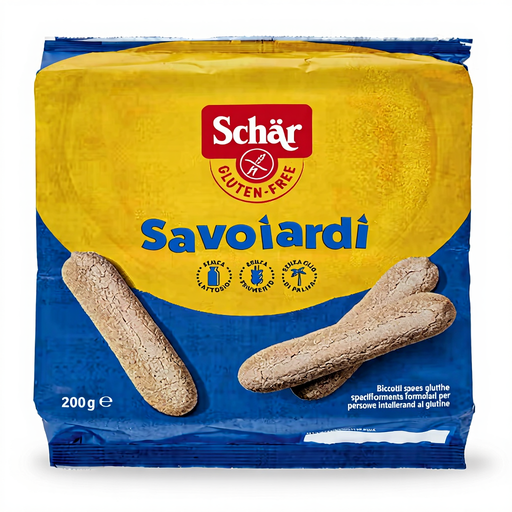 No image available
Biscuits to go with your train coffee if you’re looking for products explicitly labelled gluten-free. Product-specific information lists eggs as an allergen; before buying, also check the current pack for anything else relevant to you.
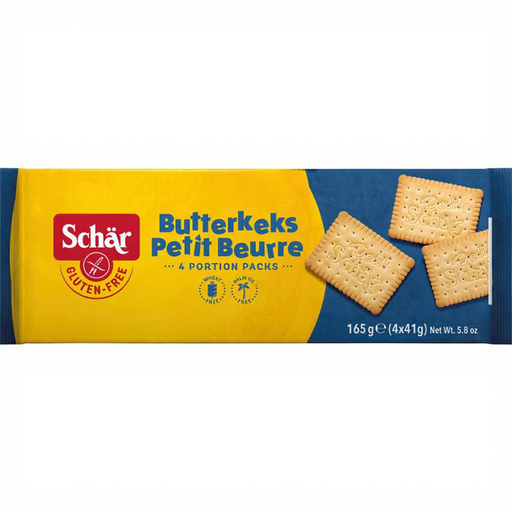 No image available
Butter biscuits for a coffee break, provided you don’t need to avoid milk or eggs: both are listed in the product-specific information. Check the current pack for anything else you need to avoid.
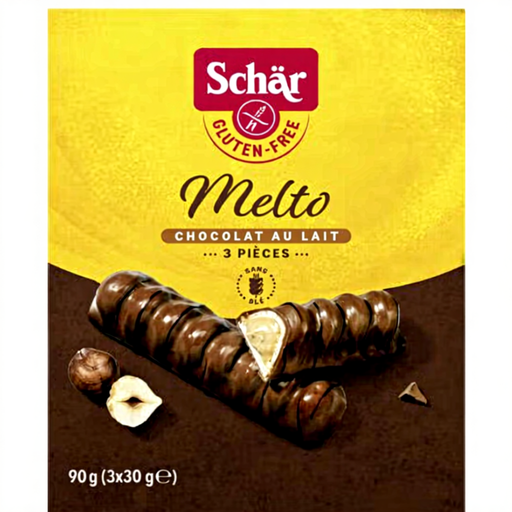 No image available
Wafer bars for on the go, in a pack of three. This hazelnut variety isn’t suitable if you need to avoid hazelnuts. Also check the current pack for milk, soya and possible traces of other nuts or peanuts.
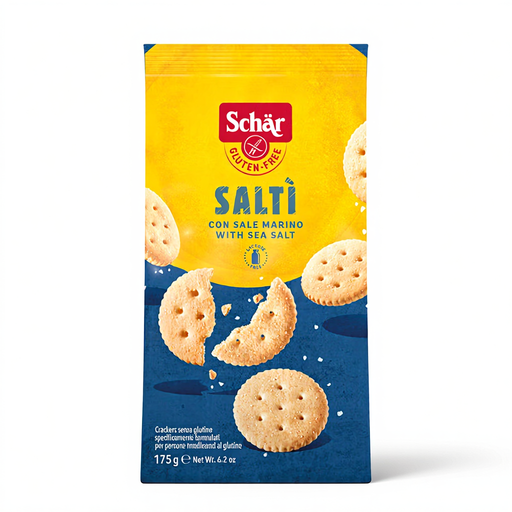 No image available
Savoury crackers for your coffee break if you prefer this flavour. Product-specific information lists soya and mentions possible lupin; check the labelling on the current pack.
 No image available
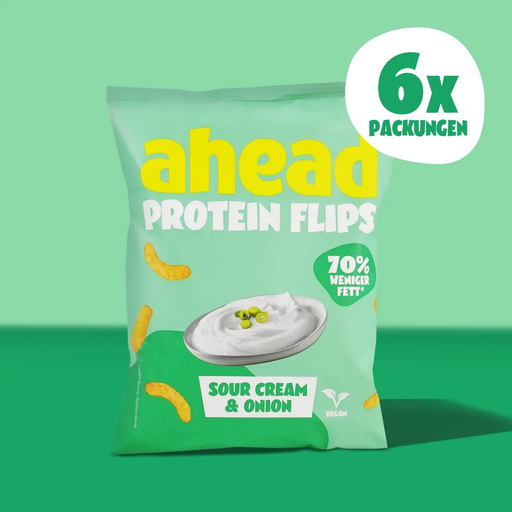
A savoury option for on the go if you want a snack you can eat straight from the bag. Check the ingredients and allergen information on the current pack for gluten, soya and anything else relevant to you; claims in the product name are no substitute for checking.
Yes. According to Germany’s Federal Ministry of Agriculture, Food and Home Affairs, the 14 most common causes of allergies and intolerances must be declared in food. For a pre-packed snack, check the ingredients list on the specific pack for highlighted allergens.
Not automatically. A gluten-free label doesn’t tell you whether the product contains milk, peanuts, soya or sesame, for example. Make your decision based on the ingredients and other labelling for the variety you’ve chosen.
This warning highlights the possibility of accidental contamination; it doesn’t mean the substance is definitely present. If you need to avoid it, take the warning into account and check whether the product is suitable before buying if you’re unsure.
No, check the labelling on the current pack again. Lorenz notes in its product information that packs with different labelling may be available in shops; the ingredients list on the product you’re actually buying is the one that matters.