For someone with coeliac disease, a multipack of bars is a suitable choice only if the specific variety is labelled gluten-free and its ingredients and allergen information meet their needs. A large pack is a practical way to stock up if you eat bars regularly; if you’re trying a variety for the first time or don’t eat them often, a small multipack is a more manageable amount.
Which packs might suit you?
Households shopping gluten-free for someone with coeliac disease
If you’re looking for bars to enjoy as part of a gluten-free diet, check the labelling and ingredients of each specific variety. The German Coeliac Society recommends checking ingredient lists for gluten-containing ingredients when stocking up.
Households that eat bars regularly
A larger pack can mean fewer repeat purchases, whether you enjoy bars at home or on the go. The key is to make sure you’ll eat them all before they reach the end of their shelf life.
People with other dietary requirements
If you need to avoid certain ingredients or allergens as well as gluten, check each variety individually. A “gluten-free” label doesn’t tell you whether a product contains nuts, sesame, milk or soya.
What should you look for when choosing?
First check that the specific variety is labelled gluten-free, then look at the ingredients and any other allergens. Choose a pack size that suits how often your household eats bars.
| What matters |
What to check before buying |
Who it matters most to |
| Gluten-free labelling |
Look for a “gluten-free” label on the specific variety, and check it again if you switch varieties. Under EU Implementing Regulation 828/2014, foods sold to consumers can only be labelled “gluten-free” if they contain no more than 20 mg/kg of gluten when sold. |
If I’m choosing bars because I have coeliac disease, I don’t want to rely on assumptions based on the ingredients alone. For around 42% of consumers, verifiable gluten-free labelling comes first. |
| A suitable amount to stock up on |
Make sure the number of bars and portion size match how often you eat them. Before buying a larger pack, check the shelf life and storage instructions. |
I want to have enough bars in stock to enjoy regularly, without leaving packs unused. Around 33% of consumers prioritise choosing the right pack size. |
| Other ingredients and allergens |
Read the ingredients list, allergen information and may-contain warnings for each variety. A gluten-free label doesn’t tell you whether it’s suitable for other allergies. |
If I also need to avoid certain ingredients, the recipe for each variety matters to me. This is the main consideration for around 25% of consumers. |
Which mistakes can you avoid?
-
Assuming “gluten-free” means “suitable for all allergies”
A bar labelled gluten-free may still contain other allergens. According to dm, the dmBio Sesame Brittle Bar contains sesame; the Schär Melto sold there contains hazelnuts, milk and soya.
Check the ingredients, allergen information and may-contain warnings on the specific pack. Don’t assume that information for one flavour applies to another.
-
Buying a large pack before trying a variety
A larger pack is no help if your household ends up leaving the bars uneaten. A small multipack limits the number you’ll need to get through.
Try a small amount first, then choose a larger pack if you like the taste and expect to eat them regularly. Check the pack’s shelf-life and storage instructions.
Brands to consider
KoRo
KoRo offers products including an organic sour cherry cashew bar labelled gluten-free, in a pack of 12 × 50 g.
- The 12-bar pack could suit households that eat this variety regularly.
- A gluten-free label on one variety doesn’t automatically apply to all KoRo bars. The cashew bar is also unsuitable for anyone who needs to avoid cashews.
Schär
Schär offers gluten-free bars, including the Melto multipack, which contains 90 g in total.
- The small multipack is a good way to try the bars before buying a larger supply.
- According to dm’s product description, Melto contains hazelnuts, milk and soya. If you have other allergies, check the may-contain information on the specific pack too.
dmBio
dm labels its dmBio Sesame Brittle Bar gluten-free and describes it as a three-pack containing 3 × 27 g.
- The small pack is a good fit if you only need a few bars or want to try a variety first.
- According to dm, the bar contains sesame and may contain traces of peanuts and nuts.
MadeGood
Rossmann describes MadeGood bars as gluten-free and also stocks other snack products from the brand.
- The brand may appeal to people who want to check other features of a specific bar as well as its gluten-free labelling.
- Information about a product range is no substitute for checking the ingredients, allergen information and may-contain warnings on the pack you choose.
Gluten-free bar multipacks at Joybuy
This three-pack could suit you if you’d like to try a bar variety labelled gluten-free in a smaller quantity.
 No image available
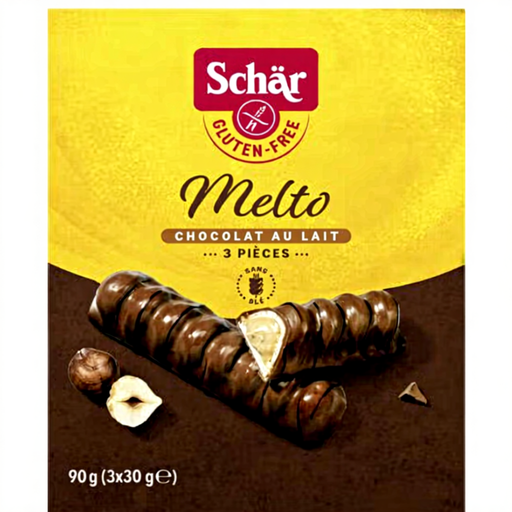
Schär Melto Hazelnut wafer bars, 3 × 30 g
This three-pack is a small amount to try if you’re new to the variety. The product name describes the bars as gluten-free and lists the pack size as 3 × 30 g. If you need to consider other allergens, check the information on the specific pack.
View at Joybuy
Frequently asked questions
Is an ingredients list without wheat enough when choosing bars for coeliac disease?
No. The absence of wheat from the ingredients list is not the same as a “gluten-free” label. Check the information for the specific variety: under EU Implementing Regulation 828/2014, foods sold to consumers can only be labelled “gluten-free” if they contain no more than 20 mg/kg of gluten when sold.
What should I check if I have other allergies?
Check the ingredients list, allergen information and may-contain warnings for each variety. A gluten-free label alone doesn’t tell you whether a bar contains nuts, sesame, milk or soya, for example.
When is a large pack of bars a good choice?
A larger pack makes most sense if you regularly eat a variety you already know. Before buying, check whether your household can finish the pack within the stated shelf life and under the recommended storage conditions.
How should I store a supply of bars?
Follow the storage instructions on the specific pack. Choose a pack size that means you can eat the bars within their stated shelf life when stored as directed.


