For a biscuit base or crumb topping, a ready-made butter biscuit or shortbread explicitly labelled gluten-free is the obvious choice, provided its flavour works with your cake. If you want to roll out biscuits and cut them into shapes for decoration, you could choose a gluten-free shortcrust pastry baking mix instead, but you’ll need to allow for extra ingredients and preparation time. If you have coeliac disease or other dietary requirements, check the label and information on the current packaging for each option individually.
Which biscuit option is right for you?
People baking gluten-free with coeliac disease
If you’re making a cake base from biscuit crumbs, an explicit gluten-free label on the biscuits you use is an important starting point. The German consumer advice centre explains that foods labelled gluten-free may contain no more than 20 mg of gluten per kg. The other ingredients and information on the packaging must still meet your individual needs.
Home bakers who want to shape their own biscuits
If you’re planning to use cut-out biscuits to decorate a cake, ready-made biscuits serve a different purpose from dough that can be rolled out. RUF’s gluten-free shortcrust pastry baking mix is designed for rolling and shaping; according to REWE, you’ll also need butter, egg and starch.
People with other dietary requirements
Gluten-free doesn’t automatically mean dairy-free, egg-free or nut-free. The biscuit and baking mix options covered here include ingredients such as milk, egg and almonds, as well as warnings about possible traces. Always check the ingredients and allergen information for the specific product.
What should you consider when choosing?
Ready-made gluten-free biscuits
A good choice if: You want to make a biscuit base or crumb topping for a cheesecake or another cake without baking biscuits first.
The trade-off: The shape, ingredients and flavour of the shop-bought biscuits are already set. A chocolate or oat biscuit will give a different result from a plain butter biscuit.
Gluten-free shortcrust pastry baking mix
A good choice if: You want to roll out, cut out or decorate biscuits for the cake yourself.
The trade-off: According to REWE, RUF’s mix needs butter, egg and starch added to it, and the dough should chill for around 45 minutes before you roll it out.
When choosing gluten-free biscuits for a cake, first check that the labelling and ingredients meet your needs. Then consider your recipe: will ready-made crumbs do, or do you need dough that can be shaped?
| Criteria |
What to check when buying |
Who it matters most to |
| Gluten-free labelling |
Look for the explicit words “gluten-free” on the current packaging. With oat biscuits, don’t assume they’re suitable just because they contain oats. |
If you have coeliac disease, I want to choose biscuits for my cake based on an explicit gluten-free label. This is the top priority for around 40% of consumers. |
| Biscuit type and flavour |
Compare plain butter biscuits or shortbread with filled, chocolate-coated or strongly flavoured options. |
I want my cake base to taste right for the recipe and to be easy to make into crumbs from the biscuits I choose; around 30% of consumers prioritise the finished bake. |
| Dough that can be shaped |
For a baking mix, factor in any additional ingredients and preparation steps, including chilling time. |
I want to roll out and cut biscuits myself to decorate the cake, rather than crush ready-made ones. This desire to customise is the main priority for around 20% of consumers. |
| Other ingredients |
Check the ingredients list and trace warnings on the specific pack for relevant milk ingredients, egg, soya, lupin, nuts or oats. |
As well as gluten, I need to consider other ingredients before using biscuits or a baking mix for my cake; this additional check is the priority for around 10% of consumers. |
What should you look out for when shopping?
-
Assuming “wheat-free” means the same as “gluten-free”
If you have coeliac disease and are planning a biscuit base, don’t treat these two claims as interchangeable. The German consumer advice centre sets a limit of no more than 20 mg of gluten per kg of food for products labelled “gluten-free”.
Look specifically for “gluten-free” on the current biscuit packaging and check the ingredient information.
-
Assuming “gluten-free” means free from other allergens too
The products covered here show why you need to consider these separately: according to Schär, Petit Beurre contains butter, egg and whole milk powder; REWE also lists milk ingredients in the RUF baking mix icing.
If you need to avoid other ingredients, read the ingredients and trace warnings on each specific pack. “Lactose-free” doesn’t mean “dairy-free”, either.
-
Using every type of biscuit as if it were a plain butter biscuit
Fillings, chocolate, oats, seeds and spices all bring their own flavour to a cake. An oat and seed biscuit won’t taste like a neutral shortbread alternative.
Before you buy, decide whether you want a plain biscuit base or a cake with a more pronounced biscuit flavour.
-
Thinking a baking mix is a ready-to-use biscuit
You’ll need to make the biscuits from the gluten-free RUF shortcrust pastry baking mix first. According to REWE, the mix also needs 125 g soft butter, one egg and starch for rolling out; the dough should chill for around 45 minutes.
If you want a cake base without baking biscuits first, consider ready-made gluten-free biscuits. Choose a baking mix if making shaped biscuits is part of your plan.
Brands to consider
Schär
Schär’s range includes Petit Beurre gluten-free butter biscuits in a 165 g pack; REWE also stocks the product.
- For recipes using biscuit crumbs, a plain butter biscuit offers a different flavour from a filled or chocolate-coated biscuit.
- According to Schär, Petit Beurre contains butter, egg and whole milk powder; possible traces of soya and lupin are also listed.
LEIBNIZ
LEIBNIZ gluten-free and lactose-free Minis are small butter biscuits; REWE includes them in its gluten-free biscuit range.
- Their mini size may suit you if you want to crush small biscuits or use them for individual dessert portions.
- Despite being labelled lactose-free, the product information says the Minis contain butterfat, whole egg and a dairy product.
RUF
The gluten-free RUF baking mix listed by REWE is designed for making your own shortcrust biscuits, not for immediate use as a ready-made biscuit base.
- You can roll out and shape the dough into biscuits to decorate a cake; icing is included in the mix.
- According to REWE, you’ll also need butter, egg and starch. The icing contains whole milk powder and lactose.
Hammermühle
The almond and cinnamon variety listed by REWE is an oat biscuit labelled gluten-free, with almonds and linseeds.
- It may be a good choice if you want the cake to have distinct almond, cinnamon and seed flavours.
- It isn’t a classic butter biscuit. REWE’s product information notes that people with coeliac disease may tolerate gluten-free oats differently; the variety was described as a seasonal product.
Walker’s
Walker’s describes its gluten-free Shortbread Rounds as made with rice and corn flour and potato starch. The brand uses them as a base and crumb topping for shortbread bars in one of its own recipes.
- The manufacturer’s suggested use as crumbs is a direct fit if you’re planning to make a shortbread base.
- The Rounds described contain butter. If you want to buy them in Germany, check a specific retailer and the information on the pack being offered.
Gluten-free biscuits for the ready-made biscuit option
These two Schär products are ready-made gluten-free biscuits. Petit Beurre has a butter biscuit flavour, while the Chocolate Chip Cookies are better suited to cakes where chocolate chunks work with the other flavours. The recipe will determine whether either option works as a cake base.
 No image available
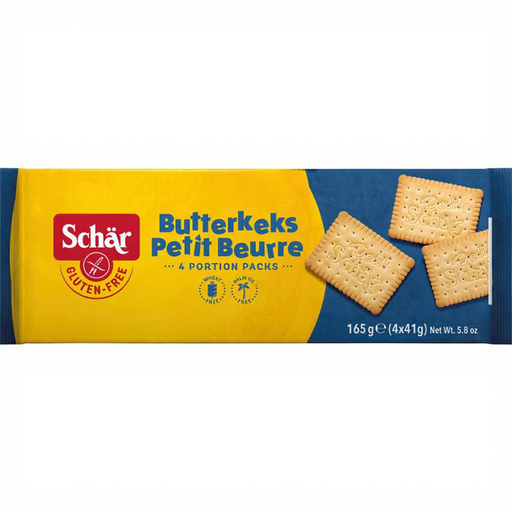
Schär Petit Beurre gluten-free butter biscuits, 165 g
If you’re after a butter biscuit flavour for your cake base, these ready-made biscuits are one option. The product name alone won’t tell you whether their crumbs will give you the texture you want for your particular recipe.
Schär lists butter, egg and whole milk powder in Petit Beurre. If you have coeliac disease or other dietary requirements, check the label and ingredients list on the current pack.
View at Joybuy
 No image available
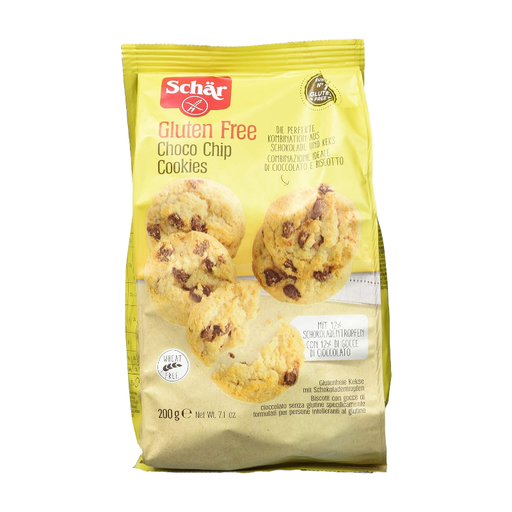
Schär gluten-free Chocolate Chip Cookies, 200 g
These biscuits are an option if chocolate chunks work with your planned cake; they’re less suited to a plain-tasting shortbread base.
The product name describes gluten-free Chocolate Chip Cookies in a 200 g pack. Before using them for a biscuit base, check the current pack label, ingredients and how well they suit your recipe.
View at Joybuy
Frequently asked questions
What does “gluten-free” mean on a packet of biscuits?
The claim is subject to a limit: according to the German consumer advice centre, foods labelled gluten-free may contain no more than 20 mg of gluten per kg. On its own, it doesn’t tell you whether the biscuits are also free from milk, egg or other ingredients that matter to you.
Is “wheat-free” enough for a biscuit base if you have coeliac disease?
No. “Wheat-free” doesn’t replace an explicit gluten-free label. When choosing biscuits, look for “gluten-free” on the current pack, then check the rest of the ingredient information.
Are gluten-free butter biscuits suitable for someone with a milk allergy?
You can’t tell from the “gluten-free” claim alone. Schär lists butter and whole milk powder in Petit Beurre; LEIBNIZ also says its lactose-free Minis contain a dairy product. If you have an additional requirement relating to milk, always check the information for the specific product.
Can I use a gluten-free oat biscuit in a cake?
A biscuit explicitly labelled gluten-free may be suitable if its flavour and ingredients work with your recipe. REWE’s product information for the Hammermühle variety lists almonds and notes that people with coeliac disease may tolerate gluten-free oats differently.


