What should you look for when buying?
First, check for a gluten-free label and any other ingredients relevant to your child. The nursery’s procedures and storage requirements will then help you decide which type of bread works best for everyday use.
| What matters |
What to check when buying |
Who it matters to |
| Gluten-free status |
Look for an explicit ‘gluten-free’ label; don’t assume that colour, type of bread or a ‘wheat-free’ label means the same thing. |
If my child has coeliac disease, their packed lunch must be clearly labelled gluten-free, rather than simply looking similar to rye bread. This is the top priority for around 36% of consumers. |
| Handling at the nursery |
Check with the nursery how the packed lunch will be stored separately and served. |
Even carefully chosen bread should not be mixed with other food when it is served. That’s why around 29% of consumers prioritise the nursery’s procedures. |
| Other ingredients |
Compare the latest ingredient and allergen information with your child’s individual requirements. |
If my child has an additional allergy, I need to consider any ingredients they need to avoid as well as gluten. This is the main priority for approximately 21% of consumers. |
| Storage |
Check the pack size and the instructions for using the product after opening and freezing it. |
When preparing packed lunches for several nursery days, I want to be able to portion the bread without overlooking the storage instructions. This everyday planning is the top priority for around 14% of consumers. |
Gluten-free alternatives at Joybuy
This selection includes two crispbreads labelled gluten-free, Kaiser rolls for baking at home and a bread mix. The main difference for a nursery packed lunch is whether you need to bake the bread at home first. Check the ingredients and handling requirements for each product separately.
 No image available
Schär dark gluten-free crispbread, 125 g
A crunchy alternative to bread, if this type of packed lunch suits your child. If they have additional allergies, check the latest ingredient and allergen information on the pack. Agree with the nursery how it will be stored and served.
View at Joybuy
 No image available
Schär gluten-free crispbread, 150 g
Crispbread could work for a nursery packed lunch if your child likes a crunchy texture. If they have other food allergies, check the information on the current pack and agree with the nursery how it will be handled.
View at Joybuy
 No image available
Schär gluten-free Kaiser rolls, 350 g
These rolls are only suitable if you can bake them before packing them for nursery. Store and bake them according to the pack instructions. If your child has a soya allergy, it’s particularly important to check the latest ingredient information.
View at Joybuy
 No image available
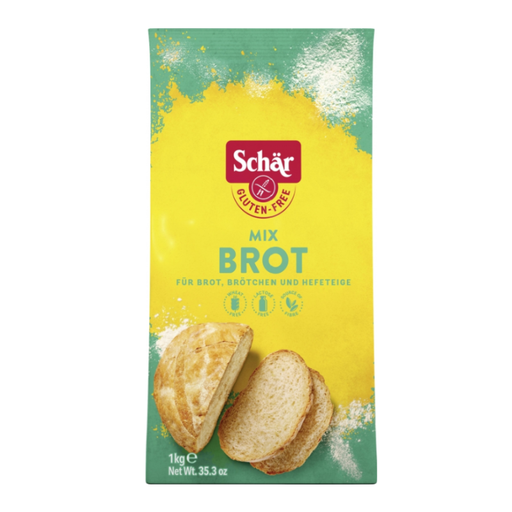
Schär gluten-free bread mix, 1 kg
This bread mix is an option if you want to make bread at home; it isn’t a ready-to-eat packed lunch. Check the ingredients of all the products you use, and plan for the food to be stored and served separately at the nursery.
View at Joybuy
Frequently asked questions
Is rye bread gluten-free?
No. According to the German Coeliac Society, rye contains gluten. Standard rye bread is therefore not suitable for a gluten-free nursery packed lunch for a child with coeliac disease.
How can I tell if bread is gluten-free?
Look for an explicit ‘gluten-free’ label. Under EU Implementing Regulation No. 828/2014, this label may be used if the food contains no more than 20 mg/kg of gluten when sold to the final consumer. A dark colour or a ‘wheat-free’ label alone is not enough.
Should I avoid gluten-free wheat starch if my child has coeliac disease?
Not simply because it says ‘wheat’: the ‘gluten-free’ label is subject to the limit set by EU Implementing Regulation No. 828/2014. If your child also has a wheat allergy, check whether the specific product is suitable against their individual requirements and the ingredients listed.
What should I discuss with the nursery?
Agree how the gluten-free packed lunch will be stored, unpacked and served. The German Coeliac Society stresses the importance of careful procedures when catering for groups; you’ll need to agree with the nursery how these will work in practice.
How long can gluten-free bread be stored?
Storage depends on the product and the instructions on its packaging. Poensgen says its fresh gluten-free bread keeps for around six days when stored correctly. Other breads may have different instructions for use after opening or freezing.


