
Lieferung heute & morgen

Qualitätsgarantie

Willkommens-Angebote freischalten: KOSTENLOSE Lieferung | Bis zu 80 % RABATT | Kostenlose 30-Tage-JoyPlus-Testphase
App herunterladen
Gluten-free brownie cookies are a specific category of confectionery, combining the intense cocoa flavour of brownies with the crispy texture of cookies. The primary challenge in making these products is substituting gluten-containing grains like wheat. Choosing the right flour alternative is crucial for the final mouthfeel and structural integrity of the cookie. This article analyses the key features of gluten-free brownie cookies and presents a selection of products based on their technical specifications.
Evaluating cookies without wheat flour requires an analysis of the ingredient list and nutritional information. The following criteria are relevant for making an informed decision.
The foundation of any gluten-free baked good is the flour alternative. Instead of wheat flour, blends of various starches and flours are often used.
The combination of these ingredients can create a balanced ratio between crispiness and substance.
The name "Crispy Brownie Cookies" implies a specific texture. This is determined not only by the flour base but also by the fats used and the baking process. Coconut oil is a commonly used fat in such recipes. It is solid at room temperature and helps to form a crumbly yet crispy structure during baking. The addition of chopped nuts like cashews or almonds can further diversify the textural experience with extra crunchy elements.
The choice of sweetener affects both the taste and the nutritional values. Unlike refined white sugar, brown sugar contains a small amount of molasses, which can result in a slight caramel-like flavour profile.
High-quality cocoa powder is essential for the characteristic brownie aroma. In varieties like mocha cookies, this is supplemented with instant coffee powder to achieve a complex, robust flavour note.
For individuals with coeliac disease or gluten intolerance, the reliable absence of gluten is fundamental. Furthermore, transparent labelling of other potential allergens is mandatory according to the EU Food Information for Consumers Regulation (FIC). Common allergens in this product category include eggs and nuts. Consumers should always carefully check the ingredient list and allergen warnings on the packaging.
Based on the criteria mentioned above, we have selected two products for a more detailed review.
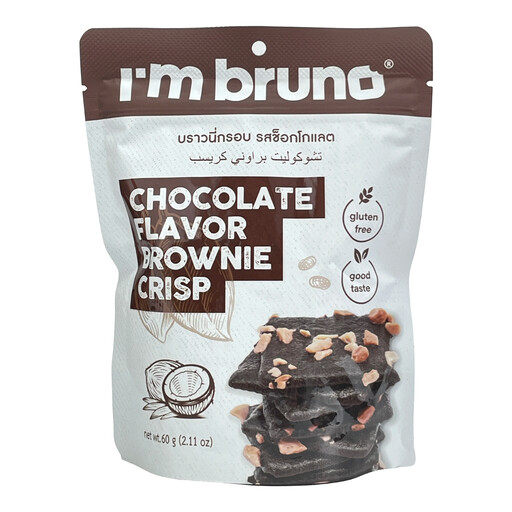
Why we're analysing this product: These gluten-free chocolate cookies are based on a recipe of tapioca starch, coconut oil, and brown sugar. The combination of cocoa powder and coconut powder aims for an intense chocolate aroma with a complementary tropical note. Chopped cashews and almonds are integrated for an additional crispy component.
Pros:
Who it's for: This product is aimed at consumers looking for a gluten-free snack with a distinct chocolate taste and a very crispy texture. It is an option for lovers of nut-chocolate combinations.
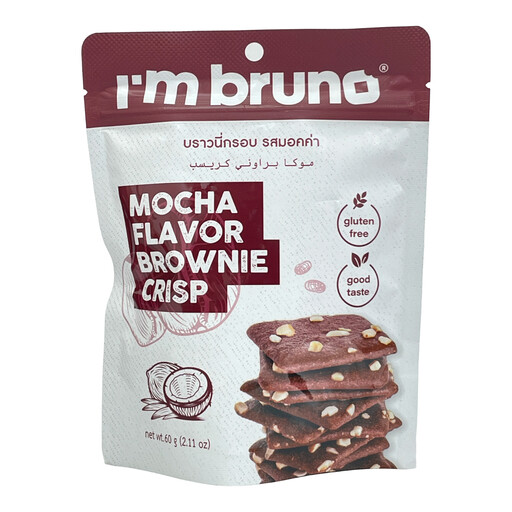
Why we're analysing this product: This variant combines the characteristics of the chocolate version with the aroma of coffee. The recipe for these gluten-free mocha cookies also uses tapioca starch, coconut flour, and coconut oil as its base. The key difference is the addition of instant coffee powder, which, together with the cocoa, creates the characteristic mocha taste.
Pros:
Who it's for: This product is designed for people who appreciate the taste of mocha and are looking for a crispy brownie cookie without wheat flour. It particularly appeals to consumers who prefer a less sweet, more robust flavour profile.
The products presented represent a specific niche within the gluten-free snack segment. For consumers seeking a broader selection of textured snacks without wheat flour, the Crispy Food Snacks category offers further alternatives with different flavour profiles and ingredient bases.
1. What makes brownie cookies gluten-free? Gluten-free status is achieved by completely avoiding gluten-containing grains such as wheat, spelt, rye, or barley. Instead, alternative flours and starches like tapioca starch, coconut flour, rice flour, or almond flour are used as binders and for structure.
2. Are crispy brownie cookies suitable for people with nut allergies? No, the products featured here are not suitable for individuals with a nut allergy. According to the declared ingredients, both variants contain cashews and almonds. It is essential to consult the allergen information on the product packaging before consumption.
3. How does the taste of mocha and chocolate cookies differ? The chocolate variant offers a rich, sweet cocoa profile, complemented by a light coconut note. The mocha variant, in contrast, combines the cocoa flavour with the robust, slightly bitter note of coffee, resulting in a more complex and generally less sweet taste experience.